Managing a fleet of commercial vehicles involves more than just keeping trucks on the road. Safety starts with the person behind the wheel. When drivers are healthy, they are more alert and less likely to cause accidents.
Physical exams play a massive role in this process. These checkups confirm that every driver can handle the physical demands of the job.
Understanding DOT Physical Requirements
The federal government has strict rules for anyone operating large vehicles. If a truck has a gross weight rating over 10,000 pounds, the driver usually needs a medical certificate. This rule
applies to vehicles used in interstate commerce.
State agencies often follow these federal standards closely to keep highways safe. A medical examiner must verify that a driver meets all physical qualifications. Without this certification, a commercial driver cannot legally operate their vehicle.
Understanding DOT And Non-DOT
Many fleet managers wonder why some staff members need different types of exams. There are clear differences between DOT and non-DOT physicals for various roles. As the DOT exams follow federal law, non-DOT physicals are often tailored to specific company needs or state and local rules.
Regular physicals for non-commercial staff might focus on general wellness or office ergonomics. In contrast, the DOT version is a legal requirement for road safety. Maintaining separate standards helps fleets manage risk across different departments effectively.
Companies must guarantee that employees receive the correct type of evaluation based on their job duties. Drivers who operate large commercial vehicles are typically subject to stricter
health screenings and documentation requirements.
Non-DOT exams may still include vision checks, medical history reviews, and general fitness assessments.
Navigating Hours Of Service Regulations
Safe driving is about physical health and about rest. Federal regulations demand that all carriers and drivers follow specific hours of service rules. Exhaustion is a leading cause of highway
mishaps.
Keeping accurate logs is part of staying compliant with these safety standards. Drivers must track their on-duty and off-duty time carefully.
Modern electronic logging devices make this easier for fleets to monitor. When drivers get enough sleep, they perform better and keep the public safer.
Fleets that follow these guidelines reduce the risk of costly violations and penalties. Dispatchers play a key role by planning routes that allow drivers to take required breaks. Regular audits of log data can reveal patterns of fatigue or scheduling problems.
The Role Of Vision And Hearing Checks
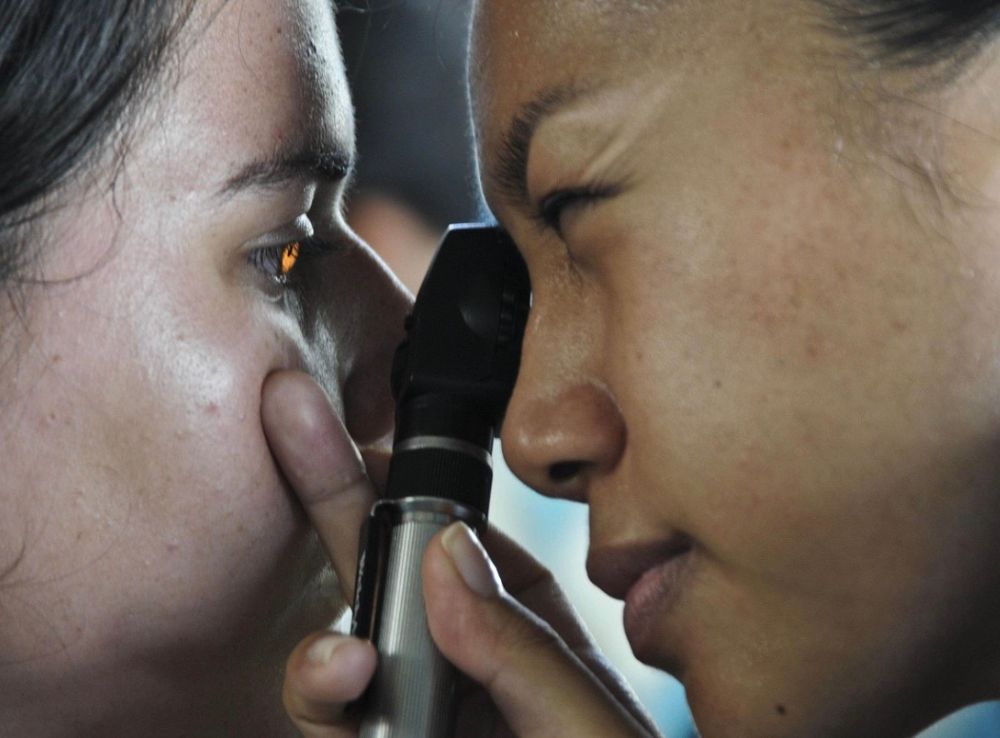
Operating a heavy vehicle requires sharp senses at all times. Federal standards require that a driver be able to hear a whispered voice from 5 feet away. Being able to hear sirens or horns is important for avoiding collisions.
Vision is equally important for navigating traffic and reading road signs. A medical examiner will check for peripheral vision and color recognition. Drivers who fail these basic tests might need
corrective lenses or medical waivers.
Evaluating Medical Qualifications In Reviews
State departments often conduct safety reviews to guarantee fleets are following the rules. A Factor Two review looks at driver qualifications and medical records.
Keeping these records organized is a top priority for fleet owners. Missing a single medical card could lead to heavy fines during an audit. Proper documentation proves that a fleet values the health of its workforce.
Improving Traffic Safety Outcomes
The push for stricter physical exams seems to be working across the country. Recent data shows that traffic fatalities in the U.S. fell for the third year in a row in 2024. This represents a 9 percent decrease compared to 2021. Total fatalities dropped to 39,345 during that year.
Safer drivers mean fewer tragedies on the highway for everyone. As the numbers are improving, there is still a long way to go.
Consistent medical screening remains a cornerstone of this downward trend. Fleets that prioritize driver health contribute directly to these national safety goals.
Enforcement Of Motor Carrier Regulations
Specialized services exist to enforce safety laws on the road. The goal of commercial vehicle enforcement is to reduce accidents through strict regulation. Officers check for compliance with motor carrier safety rules during roadside inspections.
When enforcement is high, drivers are more likely to take their health seriously. Knowing that a medical card will be checked keeps everyone honest.
Safety is a team effort that begins long before a truck leaves the lot. By staying on top of physical exams, fleets show they care about their people. It keeps the business compliant and
reduces the risk of costly legal issues.
A healthy driver is the best asset any company can have. Staying informed on these requirements guarantees that your fleet remains a leader in road safety.