
Travel Vaccinations for Southeast Asia from the UK: Vaccines, Health Risks & Pre-Travel Checklist
Southeast Asia is a popular long-haul destination for UK travellers, attracting millions to countries like Thailand, Vietnam, Cambodia, Indonesia, the…
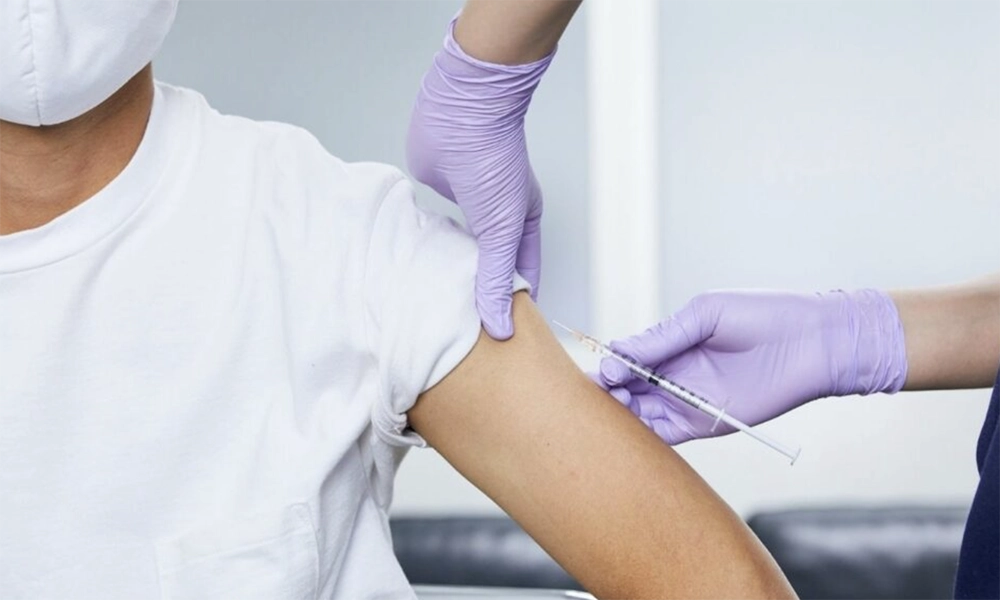
Southeast Asia is a popular long-haul destination for UK travellers, attracting millions to countries like Thailand, Vietnam, Cambodia, Indonesia, the Philippines, and Malaysia. Visitors enjoy beach holidays, backpacking, cultural tours, and adventures.
However, the region has health risks absent in the UK, including tropical diseases, contaminated food and water, mosquito-borne infections, and animal-transmitted viruses.
Getting the right vaccinations before travel is wise. It’s quicker than most expect and can save your life.
Why UK Travellers Need Travel Vaccinations for Southeast Asia
The UK does not have the same disease burden as Southeast Asia. Most UK residents have no natural immunity to infections like typhoid, hepatitis A, Japanese encephalitis or rabies. Once you cross into a tropical environment, your risk profile changes completely.
Tropical diseases spread quickly in hot, humid conditions. Contaminated water supplies, street food, stagnant water, and dense populations create ideal conditions for infection. Standard NHS vaccinations do not cover most of these risks.
A travel clinic will assess your specific itinerary, health history, and risk level before recommending a personalised vaccination plan. This is not a one-size-fits-all approach. A resort holiday in Phuket carries different risks to three months backpacking through rural Vietnam.
Countries in Southeast Asia That Commonly Require Travel Vaccines
Different destinations carry different risks. Here is a quick breakdown by country, followed by a summary table.
Thailand
Thailand is the most visited country in Southeast Asia from the UK. Bangkok, Chiang Mai, and the southern islands see huge numbers of British tourists every year. Hepatitis A and typhoid are the main food and water risks.
Mosquito-borne diseases including dengue are present across the country, particularly during and after the rainy season. Rabies is a genuine risk, especially if you plan to interact with animals or visit temples with monkey populations.
Vietnam
Rural Vietnam carries a higher rabies risk than most travellers expect. Dog bites are common, and access to post-exposure treatment can be limited outside major cities. Japanese encephalitis is present in agricultural and rural areas. Street food is delicious but carries typhoid and hepatitis A risk if proper hygiene is not maintained.
Cambodia
Cambodia has active malaria transmission in border areas and rural provinces, particularly near the Thai and Laotian borders. Hepatitis A and typhoid are widespread. Japanese encephalitis risk exists in rice-farming regions. Siem Reap and Phnom Penh carry lower malaria risk than rural areas, but vaccination is still recommended for all visitors.
Indonesia
Indonesia has one of the highest rabies burdens in Asia, particularly in Bali. Despite its reputation as a tourist hotspot, Bali recorded hundreds of rabies deaths following a 2008 outbreak. Rural and island travel carries additional risks from malaria and Japanese encephalitis. Dengue is present across the archipelago.
Philippines
Typhoid is a significant risk in the Philippines, where safe drinking water is not always guaranteed. Dengue is endemic and outbreaks occur regularly, particularly in urban areas. Rabies from dog bites is a leading cause of death in the country. Hepatitis A vaccination is strongly advised for all travellers.
Summary Table
| Country | Common Vaccine Recommendations | Key Health Risks |
| Thailand | Hepatitis A, Typhoid, Hepatitis B, Rabies, Japanese Encephalitis | Dengue fever, food/water-borne illness, mosquito-borne disease |
| Vietnam | Hepatitis A, Typhoid, Rabies, Japanese Encephalitis, Hepatitis B | Rabies from dog/bat bites, rural JE risk, contaminated food/water |
| Cambodia | Hepatitis A, Typhoid, Rabies, Japanese Encephalitis | Malaria in border/rural zones, Hepatitis risk, dengue in cities |
| Indonesia | Hepatitis A, Typhoid, Rabies, Japanese Encephalitis | High rabies risk, dengue in Bali and cities, malaria on outer islands |
| Philippines | Hepatitis A, Typhoid, Rabies, Japanese Encephalitis | Typhoid common, dengue hotspots, rabies from animal bites |
| Malaysia | Hepatitis A, Typhoid, Hepatitis B | Dengue, food/water risks, malaria in Borneo border areas |
Essential Travel Vaccines for Southeast Asia
Hepatitis A
Hepatitis A spreads through contaminated food and water. It is one of the most common travel-acquired infections among UK visitors to Southeast Asia. A single dose gives protection for up to a year, and a booster gives long-term cover of around 20 to 25 years. Almost every traveller to the region should have this vaccine, regardless of where they are staying.
Typhoid
Typhoid is a bacterial infection spread through contaminated food and drink. It is common in areas with poor sanitation, which includes many parts of Southeast Asia. The injection gives protection for around three years. Oral capsule options are also available. No typhoid vaccine is 100% effective, so food hygiene remains important even after vaccination.
Tetanus, Diphtheria & Polio
Most UK adults were vaccinated as children, but boosters are needed every ten years if you are travelling to higher-risk areas. If your last booster was more than ten years ago, your GP may provide this on the NHS. Do not assume you are covered without checking your records.
Hepatitis B
Hepatitis B spreads through blood and bodily fluids. It is relevant if you plan a long stay, are travelling for medical tourism, may need emergency medical treatment, or intend to get tattoos or piercings. Healthcare workers and those planning sexual contact with new partners should also consider it. A three-dose course is needed for full protection.
Rabies
Rabies is fatal once symptoms appear, and no treatment exists at that stage. Pre-travel vaccination does not make you immune, but it simplifies post-exposure treatment and buys you more time to reach a clinic. If you are backpacking, working with animals, cycling in rural areas, or travelling with children, pre-travel rabies vaccination is strongly advised. In Indonesia and the Philippines especially, do not wait to see what happens after a bite.
Japanese Encephalitis
Japanese encephalitis is a mosquito-borne viral infection affecting the brain. It is most common in rural areas near rice fields and pig farms. Risk is higher between May and October during the wet season. If you are spending more than a month in rural Thailand, Vietnam, Cambodia or Indonesia, or if you will be in high-risk areas at night, this vaccine is worth considering seriously.
Cholera
Cholera vaccination is not routinely recommended for most Southeast Asia trips. It is more relevant for aid workers, those visiting areas with active outbreaks, or travellers going to remote areas with poor water access. An oral vaccine is available and is sometimes recommended alongside general food and water hygiene advice.
Key decision factors include length of stay, rural versus urban travel, planned activities, and your existing health conditions. A travel health pharmacist will take all of these into account.
Vaccines That May Be Required for Specific Travel Situations
Yellow Fever
Yellow fever vaccination is not a risk in Southeast Asia itself. The region is not a yellow fever endemic zone. However, if you are arriving into certain Southeast Asian countries after transiting through a yellow fever endemic country in Africa or South America, you may be required to show proof of vaccination at the border. This applies to countries like Indonesia, the Philippines and Thailand in specific circumstances. Always check entry requirements for your full itinerary, not just your final destination.
Meningitis
Meningitis vaccination is not routinely required for Southeast Asia travel. It may be relevant for certain groups, including those living in close quarters such as dormitory-style accommodation for extended periods, or for travellers with specific underlying health conditions. Your pharmacist or travel health specialist will advise if this applies to you.
Other Health Considerations
Dengue fever is one of the most common travel-related illnesses in Southeast Asia. No vaccine is currently available for most travellers in the UK. Prevention relies entirely on avoiding mosquito bites, particularly during daytime hours when Aedes mosquitoes are most active.
Zika virus is present in several countries in the region. It poses a serious risk to pregnant women and those planning pregnancy. Avoid travel to high-risk areas during pregnancy, and use strict mosquito bite precautions if travel is unavoidable.
Chikungunya is a mosquito-borne viral infection causing fever and severe joint pain. There is no vaccine available in the UK. As with dengue and Zika, prevention depends on reducing mosquito exposure.
Malaria Risk in Southeast Asia and Prevention
Malaria is not a risk across Southeast Asia equally. Major tourist cities including Bangkok, Ho Chi Minh City, Bali and Manila are generally considered low risk or malaria-free. The risk is concentrated in rural and border areas.
High-risk zones include the Cambodia-Thailand border, parts of Myanmar, rural areas of Vietnam, and the forested interior of Indonesian islands such as Kalimantan and Papua. If your trip is entirely city-based, antimalarials may not be recommended. If you are heading into rural or jungle areas, they almost certainly will be.
Antimalarial Tablets
Several options are available, including atovaquone/proguanil (Malarone), doxycycline and mefloquine. The right choice depends on your destination, health history and how well you tolerate each drug. Some require starting a week or more before travel, so do not leave this until the last minute.
Mosquito Avoidance
Antimalarials reduce risk but do not eliminate it completely. Wearing long sleeves and trousers from dusk onwards, using DEET-based repellent, sleeping under treated mosquito nets, and staying in screened accommodation all make a meaningful difference.
Travel Clinic Consultation
Malaria prevention advice is genuinely destination-specific. A travel health pharmacist will look at your exact itinerary and recommend the right approach. Do not rely on generic online information for this.
When UK Travellers Should Get Their Vaccinations
Timing matters. Some vaccines need multiple doses over several weeks to build full immunity. Leaving your travel health appointment too late can mean starting a trip without full protection.
8 to 12 Weeks Before Travel
This is the ideal window to book your initial travel health consultation. It gives time to complete multi-dose vaccine courses such as rabies (three doses), Japanese encephalitis (two doses) and hepatitis B (three doses). You will have time to arrange follow-up appointments and sort antimalarial prescriptions without rushing.
4 to 6 Weeks Before Travel
This is still a workable window for single-dose vaccines like hepatitis A and typhoid. Some courses can be accelerated at this stage. You should still have time for two-dose vaccines if you act quickly.
Last-Minute Travel
If your departure is within two to four weeks, do not assume it is too late. Accelerated schedules exist for several vaccines. Even partial protection is better than none. Book a travel clinic appointment as soon as possible and explain your timeline clearly.
If you are travelling from Essex, the Dedham Pharmacy Travel Clinic in Colchester can offer appointments with flexible timelines and will work around your schedule.
Where to Get Travel Vaccinations in the UK
UK travellers have three main routes for accessing travel vaccines before a Southeast Asia trip.
NHS GP Surgeries
GPs can provide some travel vaccines free on the NHS, including tetanus, diphtheria, polio and typhoid for certain destinations. However, availability is increasingly limited. Many NHS surgeries no longer offer a full travel health service. Waiting times can be long, and GPs may not be trained to give detailed, destination-specific advice.
Private Travel Clinics
Dedicated travel clinics offer a broader range of vaccines and more specialist knowledge. They typically have quicker appointment availability and can tailor advice based on your exact itinerary. You will pay for vaccines not covered by the NHS, but the level of care is usually significantly better.
Pharmacy Travel Clinics
Many UK pharmacies now offer full travel health services, often with same-week or even same-day appointments. Pharmacists trained in travel health can prescribe antimalarial tablets, administer vaccines, and provide written documentation. They tend to be more accessible and more flexible than both GPs and standalone travel clinics.
Travellers in Kent can visit the Coxheath Pharmacy Travel Vaccination Clinic in Maidstone for personalised travel vaccination advice before visiting Southeast Asia. The team there will assess your full itinerary and make sure you leave properly protected.
Cost of Travel Vaccinations in the UK
Travel vaccine costs vary depending on the vaccine, the number of doses needed, and whether any are available free on the NHS.
Some vaccines are free on the NHS for eligible travellers. These include tetanus, diphtheria and polio boosters if overdue, typhoid for certain destinations, and hepatitis A in some circumstances. Others must be paid for privately.
Prices below are approximate and may vary by clinic and location.
| Vaccine | Typical UK Cost Range |
| Hepatitis A | £50 – £75 per dose |
| Hepatitis B | £25 – £50 per dose |
| Typhoid (injection) | £30 – £50 |
| Typhoid (oral capsules) | £20 – £35 |
| Rabies (3 doses) | £150 – £200 total |
| Japanese Encephalitis (2 doses) | £180 – £250 total |
| Tetanus, Diphtheria & Polio | Free on NHS (if overdue) |
| Cholera (oral vaccine) | £30 – £50 |
| Yellow Fever | £60 – £80 |
| Antimalarial tablets | £20 – £100+ depending on type and duration |
Multi-vaccine packages are sometimes available at reduced cost. It is always worth asking your travel clinic whether any combination options apply to your trip.
Additional Health Advice for Travelling in Southeast Asia
Food and Water Safety
Tap water in Southeast Asia is not safe to drink in most countries. Use sealed bottled water, including for brushing teeth. Avoid ice in drinks unless you are confident it was made from purified water. Street food can be excellent and safe, but stick to stalls with high turnover where food is cooked fresh in front of you.
Mosquito Bite Prevention
Apply DEET repellent to exposed skin, especially from late afternoon onwards. Wear long-sleeved clothing in rural areas and at dawn and dusk. Use permethrin-treated nets when sleeping in non-air-conditioned accommodation. Do not underestimate how significant mosquito avoidance is, even if you are taking antimalarials.
Travel Insurance
Do not travel to Southeast Asia without comprehensive travel insurance that includes medical evacuation. Emergency medical care in rural areas can be very limited, and evacuation from remote islands or jungle regions is expensive. Check the policy covers all planned activities, including water sports, motorbike hire, and trekking.
Medical Kit Essentials
Pack a basic medical kit including rehydration sachets, antidiarrhoeals (loperamide), antihistamines, plasters, antiseptic wipes, a thermometer, and any regular prescription medications with a spare supply. Keep medications in hand luggage when flying.
Heat and Dehydration
Heat exhaustion and dehydration are more common than most travellers expect, particularly in the first few days. Drink water consistently, avoid excessive alcohol in the heat, and take rest during the hottest part of the day. If you feel dizzy, confused or stop sweating despite the heat, seek medical attention promptly.
Travel Health Checklist for UK Travellers Visiting Southeast Asia
- Check your vaccination records and identify any gaps or overdue boosters
- Book a travel clinic appointment at least 8 weeks before departure
- Get all recommended vaccines for your specific destinations and activities
- Obtain a prescription for antimalarial tablets if your itinerary requires it
- Pack DEET mosquito repellent (minimum 50% concentration recommended)
- Arrange comprehensive travel insurance covering medical evacuation
- Pack a basic medical kit, including rehydration sachets and any regular medications
- Check entry requirements for yellow fever certificates if transiting through endemic countries
- Research the nearest medical facilities at each destination on your itinerary
- Carry a copy of your vaccination record when you travel
Frequently Asked Questions
Do I need vaccinations for a short holiday in Thailand?
Yes. Even a one-week beach holiday in Thailand warrants hepatitis A and typhoid vaccinations at minimum. Dengue and rabies risks are present regardless of trip length. Short stays do not remove risk; they just change which vaccines are most relevant.
Can I get vaccinations at the airport before I fly?
Some airports have travel clinics, but availability is limited and appointments are not guaranteed. More importantly, some vaccines require multiple doses spread over several weeks. Airport walk-ins are a last resort, not a plan.
Are travel vaccines safe if I am on regular medication?
Most travel vaccines are safe alongside common medications, but your pharmacist needs to know your full medication list. Some antimalarials interact with certain drugs. Always disclose your complete health history at your travel health consultation.
My children are travelling with me. Do they need the same vaccines?
Children can receive most travel vaccines and should be protected in the same way as adults. Japanese encephalitis vaccine is approved from 2 months of age. Rabies pre-exposure vaccination is particularly important for children, who are more likely to approach animals and less likely to report a bite. Speak to your travel health pharmacist about age-specific advice.
Is dengue fever preventable by vaccine?
A dengue vaccine called Dengvaxia exists but is not routinely available in UK travel clinics. It is currently only licensed for people who have previously had a confirmed dengue infection. For most UK travellers, prevention relies entirely on avoiding mosquito bites.
What if I get sick after returning from Southeast Asia?
Tell your GP or A&E doctor immediately that you have recently travelled to Southeast Asia. Malaria, typhoid and dengue can all present with flu-like symptoms in returning travellers. Do not wait to see if symptoms resolve on their own. Early diagnosis is critical for some of these conditions.
Is it too late to get vaccinations two weeks before I travel?
Not always. Many single-dose vaccines provide good protection within a week or two. Some accelerated courses are available. Book a travel clinic appointment immediately and explain your departure date. Partial protection is significantly better than no protection at all.
Filed underFertility & pregnancy, Thailand, Bali & Indonesia