Key Highlights
- Preventive dentistry focuses on preventing dental issues before they become serious, saving you money and discomfort.
- Regular check-ups and cleanings can help detect problems like cavities and gum disease early on.
- Early detection often means simpler, less expensive treatments, saving you money in the long run.
- Preventive dentistry can also help you avoid costly emergency dental procedures.
- By taking care of your oral health, you contribute to your overall health and well-being.
Finding a good dentist in Sydney, especially one that offers a Centrelink payment plan in Sydney, is very important, especially if you are thinking about braces in Penrith. You may be surprised to learn that going to the dentist regularly can actually help you save money. It might seem strange, but preventive dentistry is a wise choice for your wallet. By preventing dental problems before they start, you can dodge expensive treatments later on.
How Regular Dental Check-Ups Can Lead to Significant Savings
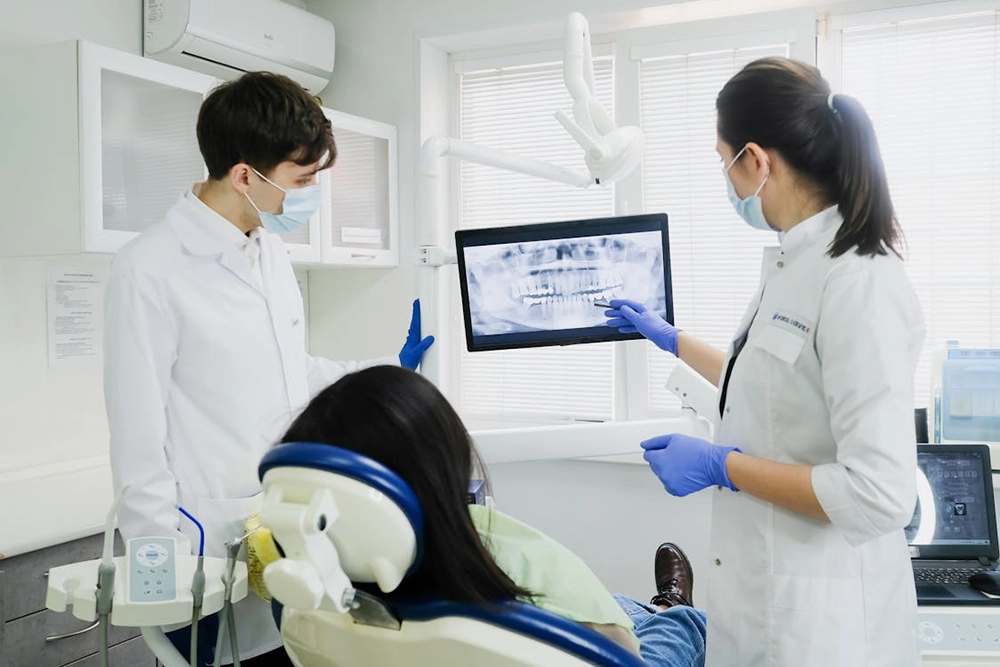
Photo by Nadezhda Moryak
See regular dental check-ups as an investment for your teeth. Just like taking care of your car prevents big problems later, visiting the dentist regularly helps find and fix issues early. This way, you can avoid needing serious and costly dental work in the future.
By spotting problems early, you choose easier and cheaper fixes. Filling a small cavity costs less than a root canal, which you might need if the cavity is ignored. Plus, if cost is a concern, many dentists offer a payment plan in Sydney to make regular check-ups more affordable, allowing you to maintain your dental health without financial strain.
Understanding the Basics of Preventive Dentistry
Preventive dentistry includes services that help keep your teeth and gums healthy. These services are regular dental cleanings, check-ups, X-rays, and fluoride treatments. Many dentists, including those offering braces in Penrith, have payment options to make these services easier to afford.
Regular cleanings get rid of plaque and tartar. If not removed, they can cause cavities and gum disease. Check-ups help your dentist find any possible issues, like early decay or swollen gums. If you deal with these problems early, you can stop them from turning into larger and costlier issues.
The Role of Cleanings and Examinations in Preventing Costly Treatments
Professional cleanings go deep into areas that are hard to reach at home. This helps to remove plaque and tartar well. It is very important to prevent cavities and gum disease. If these problems are not treated, they can lead to high costs later.
Examinations act like detective work for your mouth. Your dentist checks for signs of oral cancer. He will also look at your current fillings and search for any unusual signs. This way, potential problems can be found and handled early on.
By putting your money into these preventive steps, you are lowering the chances of:
- Needing fillings, crowns, or root canals.
- Developing gum disease that can cause tooth loss.
- Facing additional costs due to complicated dental procedures.
Early Detection of Dental Issues
Early detection is key to saving money in preventive dentistry. When dental issues are found early, treatment tends to be easier, less invasive, and cheaper. For instance, catching a cavity early might just need a simple filling.
On the other hand, if it’s not treated, that cavity can get bigger and possibly infect the tooth’s inner pulp. This can lead to needing a root canal, which is much more complicated and expensive. Remember, keeping track of your due date for dental check-ups can help you avoid larger costs later for more serious treatments.
Avoiding Expensive Emergency Dental Procedures
Emergency dental work commonly comes with pain and a big bill, especially in times of hardship. Many people think that emergency visits only happen because of sudden and intense pain. However, they may not know that regular dental check-ups, especially those scheduled on a Monday, can greatly lower the chance of these emergencies.
If you ignore regular visits, small dental problems can grow into emergencies. For example, a little chip in a tooth can get worse over time. This could lead to a painful fracture that requires urgent care.
By going to the dentist regularly, you help make your teeth last longer. You also spread out the cost of dental care in smaller amounts over time. Plus, you avoid the stress and pain that come with emergency dental work.
Lowering the Risk of Gum Disease and Tooth Loss
Gum disease, or periodontal disease, is a serious infection that harms the gums and can lead to losing teeth. It might not always be in people’s thoughts when they think about their health, but it should be.
The cost to treat gum disease is much higher than preventing it. Regular cleanings and check-ups can help manage plaque and tartar buildup, which is what mostly causes gum disease.
By taking steps to prevent it, you save yourself from pain and the high costs of treatment. Plus, you increase your chances of keeping your natural teeth for life. Think of it as a smart investment in your smile – like a ZipMoney installment payment plan application for a future without dentures and a proper credit license!
The Cost-Effectiveness of Routine X-rays
Some might question the need for routine X-rays, but these images play a crucial role in preventive dentistry. X-rays can reveal hidden problems, such as cavities between teeth, bone loss, and impacted teeth, that are not visible during a visual examination.
| Type of X-ray | Frequency | Purpose |
| Bitewing X-rays | Every 1-2 years | Detect cavities between teeth |
| Periapical X-rays | As needed | Examine the entire tooth, from crown to root |
| Panoramic X-rays | Every 3-5 years | Provide a comprehensive view of the entire mouth |
Early detection through X-rays can prevent issues from escalating, potentially saving you from more extensive (and expensive) procedures later. For example, a small cavity detected early might require a simple filling, while a larger cavity might need a crown or even a root canal, which are significantly more expensive.
Preventing Cavities Before They Need Fillings
Cavities are a very common dental issue. They can also be costly to fix, especially if you need treatments like crowns or root canals. The good news is, you can mostly prevent cavities by taking care of your teeth and visiting your dentist regularly.
During your dental check-up, your dentist can find early signs of decay. They may suggest preventive steps like fluoride treatments or sealants. Fluoride helps strengthen your tooth enamel, making it tougher against decay. Sealants provide a protective cover for the chewing surfaces, keeping cavity-causing germs away.
Think of preventive dental care as a way to avoid an overdue fine notice from your teeth. By having regular cleanings and check-ups, you take care of your oral health and keep your budget happy over a longer period, potentially avoiding unpaid work related to dental issues or a Work and Development Order.
Maintaining Overall Health and Preventing Systemic Issues
The health of your mouth is closely linked to your overall health. Research shows a link between gum disease and serious conditions, like heart disease, stroke, diabetes, and breathing issues. When you take care of your oral health, you also take care of your well-being.
Regular dental visits allow your dentist to check your teeth and gums. They can also look for signs of health problems that might show up in your mouth. Catching these issues early can lead to better health and might save you from high medical bills later on.
If you have concerns about your oral health and how it affects your overall health, don’t hesitate to schedule an online enquiry with your dentist.
Less Frequent Need for Major Dental Procedures
Major dental work like crowns, bridges, and implants can really cost a lot. Sometimes, these procedures are needed to fix oral health, but you can lower the chances of needing them a lot by practicing good preventive care.
By stopping issues like cavities and gum disease from getting worse, you can avoid or delay the need for costly and more serious treatments. Think about it this way: every dollar you spend on preventive care helps you save on future major dental work.
To keep your smile healthy and avoid high costs, make sure to have good oral hygiene at home and visit your dentist regularly.
Building a Relationship with Your Dentist for Long-Term Care
Building a strong and trusting bond with your dentist is a great investment for your long-term oral health. When you trust your dentist, you can freely talk about any concerns you have and feel more at ease following their advice for prevention.
Regular trips to the dentist help them learn about you. They understand your oral health history and any special needs you may have. This connection can result in more personalized care and better treatment over time.
Keep in mind that your dentist is your partner in keeping your oral health at its best. Developing a good relationship can lead to healthy smiles for a lifetime and an agreed sum of money saved by avoiding unnecessary dental costs.
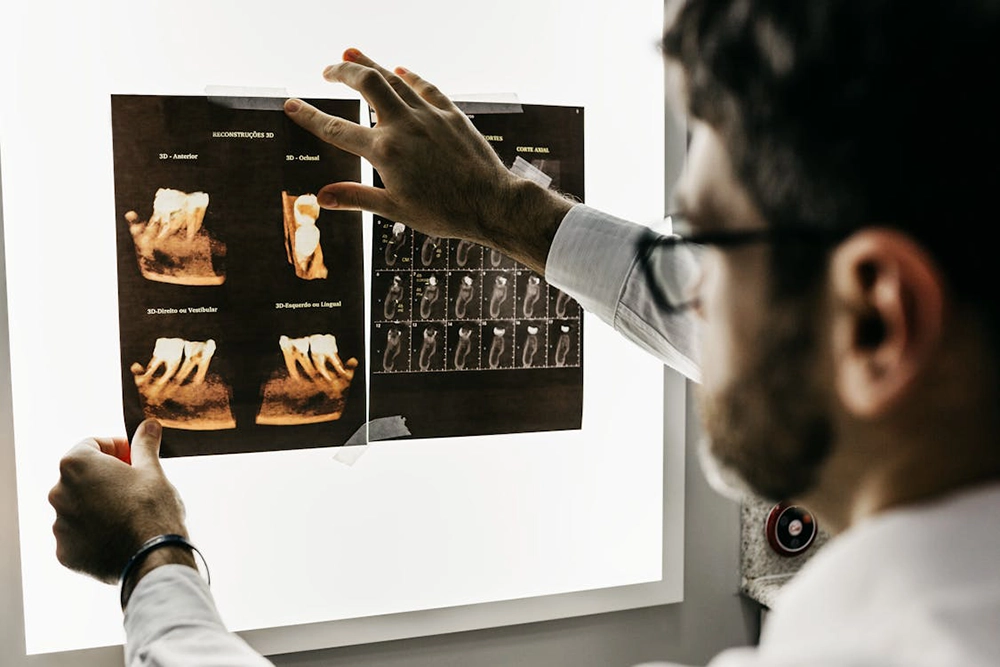
Photo by Jonathan Borba
Conclusion
Regular dental check-ups are very important for keeping your teeth healthy. They help you avoid painful and costly treatments later. When you make routine appointments for cleanings and exams, you can catch problems early. This stops you from needing expensive emergency care or major procedures. Finding a good dentist you trust means you will get personal attention for your oral health over time. Remember, taking care of your teeth now can save you money on dental bills in the future. It can also help you feel better overall. Schedule your next dental check-up to keep your smile bright and your wallet happy.
Frequently Asked Questions
What Is Considered Preventive Dentistry?
Preventive dentistry means taking steps to stop dental issues before they start. This involves keeping your mouth clean at home and going to the dentist for regular check-ups and cleanings. Visiting the dentist also includes any needed preventive care. This smart approach helps keep your teeth and gums in good shape. It can save you from pain, discomfort, and future costs.
How Often Should I Visit the Dentist for a Preventive Check-Up?
Most dentists say you should have a check-up every six months. However your dentist may advise you to come in more often based on your specific needs and dental history. Regular visits are important for keeping your teeth healthy and finding any issues early.
Can Preventive Dentistry Save Money in the Long Run?
Sure! It may seem strange, but spending money on preventive dentistry can save you money later. When you prevent small problems from becoming big issues, you won’t need costly and complicated treatments in the future.
Are There Preventive Dental Services Covered by Insurance in Australia?
Many insurance plans in Australia cover preventive dental services, such as check-ups and cleanings. The amount of coverage can change based on your specific insurance policy, so it may be wise to verify the details with the provider associated with the ABN. It is a good idea to check with your provider to see what is included.
Photo by Cedric Fauntleroy