Modern wellness has changed more in the last decade than in the fifty years before it. People are thinking differently about health, independence, and what it means to feel well in their everyday lives.
Wellness is no longer limited to fitness routines or diet trends. It is now a full-picture approach that blends physical health, emotional stability, stress reduction, personal freedom, and a sense of safety at home. As more people strive to create healthier lifestyles that actually work for them, the idea of tailoring care to individual needs has become more important than ever.
This shift is one reason private home health care is becoming such a powerful part of the wellness conversation. Instead of relying on clinical environments or rigid care systems, more families are choosing support that meets them where they are.
Care delivered at home brings comfort, stability, and personalised attention into a familiar space, which aligns naturally with the goals people prioritise today. Whether someone wants to maintain independence, prevent health issues before they escalate, or simply feel more supported in daily life, home-based care offers practical solutions that match these ambitions.
Understanding how these wellness goals connect with professional home health care company care helps explain why so many people are embracing it. It is not only a medical service. It is a wellness strategy that fits the way people want to live now.
1. Personalised Care and Support
A major shift in wellness is the move away from one-size-fits-all solutions. People now expect care tailored to their health needs, habits, and lifestyle. Private home health care supports this goal because care plans are created around one person’s daily routine, preferences, mobility level, and specific medical conditions.
This level of personalisation is difficult to get in a facility where staff balance multiple patients. At home, a caregiver can focus fully on one person. Many home care teams also rely on healthcare management software to coordinate schedules, monitor care plans, and keep all client information up to date. These tools help ensure that personalized plans are followed consistently and transparently. It becomes easier to build trust because the same caregiver learns the client’s patterns, stress triggers, likes, and dislikes. That familiarity often leads to better outcomes since the care evolves with the person rather than being limited by preset systems.
2. Preventative Health and Early Intervention
Today’s wellness mindset focuses on catching things early. Home healthcare makes this practical because caregivers see the person daily or weekly and can spot changes that family members might miss.
For example:
- A sudden loss of appetite could signal dehydration or infection
- Small balance issues that hint at a risk of falling
- Mild confusion that may indicate a medication issue
- Sleep disruptions that point to worsening pain or anxiety
Instead of waiting for a crisis, caregivers can alert nurses or family members, adjust routines, or help schedule medical check-ins. This proactive approach reduces emergency visits and supports long-term health stability.
3. Holistic Wellbeing Including Mental and Emotional Health
Modern wellness recognises that emotional health is just as important as physical health. Loneliness, anxiety, or feeling disconnected can quickly influence overall well-being.
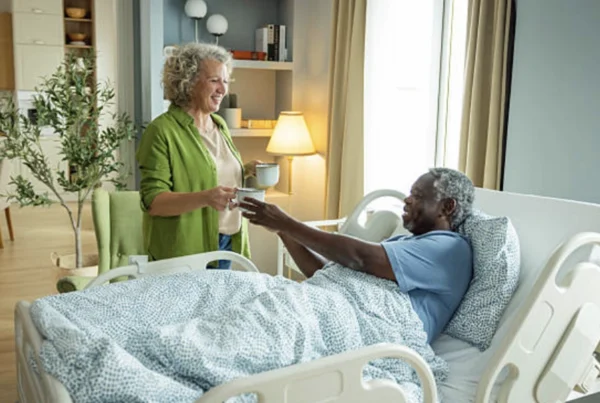
Home health care creates space for emotional support in ways busy clinical environments often cannot. Companionship during meals, conversation during walks, or help with hobbies can lift mood and reduce isolation. Many caregivers engage clients in light activities such as puzzles, gentle stretching, or short outdoor walks, which support cognitive and emotional health.
Families also benefit because they feel reassured knowing someone supportive is present. This reduces their own stress and emotional load.
4. Convenience and Reduced Stress
Wellness culture prioritises simple routines and stress reduction. Home healthcare fits naturally into this because it eliminates common sources of strain, such as transportation, waiting rooms, schedule juggling, and worrying about missed appointments.
With support arriving directly at the home, daily routines become more manageable. Medications are taken on time, meals are prepared consistently, and essential tasks like bathing or dressing happen with less pressure. This convenience helps create more consistent habits, which is a foundation of long-term wellbeing.
5. Ageing With Independence
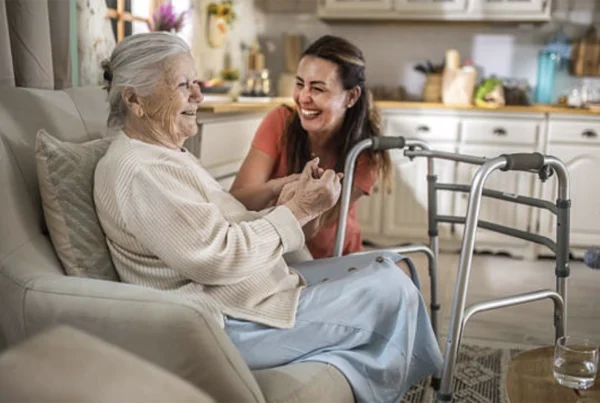
Independence is a major goal for older adults, and home healthcare supports that desire. The familiar home environment reduces anxiety and confusion, especially for individuals with memory or cognitive challenges.
Caregivers help clients maintain independence by assisting only where needed, not taking over completely. This might include:
- Supervising while someone cooks if they still enjoy meal preparation
- Helping with mobility while encouraging safe movement
- Supporting grooming or dressing in ways that preserve dignity and confidence
The focus is on preserving the person’s abilities for as long as possible, rather than transitioning to full-time facility care too soon.
6. Safety and Reduced Exposure to Health Risks
Modern wellness also prioritises reduced exposure to avoidable risks. Hospitals and clinics can be risky environments for infections, especially for older adults and people with chronic conditions. Care at home keeps the environment controlled and predictable.
Safety can be improved through small but meaningful steps such as:
- Removing tripping hazards
- Encouraging proper hydration
- Setting up medication reminders
- Helping with safe transfers from bed to chair
- Monitoring early signs of infection or illness
These actions significantly lower the chance of avoidable hospital visits and help clients feel secure in their daily routines.
7. Strong Continuity of Care and Long-term Stability
Modern wellness emphasises stability and routine because both support better outcomes. Home healthcare supports this through consistent caregivers who understand a person’s long-term needs and preferences.
When the same caregiver visits regularly, they can track subtle health patterns and maintain clear communication with family members. This consistency leads to fewer disruptions, smoother care transitions, and a more predictable day-to-day experience. Over time, this contributes to improved health outcomes and a higher quality of life.