









Simple Product Ideas for New Online Sellers
-
- November 29, 2025

Starting an online store is exciting, but it can also feel overwhelming. One of the biggest challenges new sellers face is figuring out what to sell. With so many options out there, it is hard to know where to begin.
The good news is that you do not need a groundbreaking idea to succeed. Many profitable ecommerce stores sell simple, everyday products that people already want. The key is finding a niche that has steady demand and customers who come back for more.
You also do not need a massive budget to get started. Some of the best product categories for beginners are affordable to source and easy to ship. This means lower risk and faster learning as you build your business skills.
In this article, we will explore some straightforward product categories that work well for beginners. Whether you are interested in sports gear, craft supplies, or tech accessories, there is something here to inspire your first online store.
Sports and Outdoor Products That Sell Well
Why Active Lifestyle Products Have Strong Demand
People love staying active, and that is not changing anytime soon. From kids to adults, there is a growing interest in outdoor fun and fitness. This creates a reliable market for sports and outdoor products.
Parents are always looking for ways to get their children moving and away from screens. Adults want gear that helps them enjoy weekends outdoors. This consistent demand makes active lifestyle products a smart choice for new sellers.
Another advantage is that sports products often lead to repeat purchases. Customers buy upgrades, replacement parts, and accessories over time. This gives you multiple opportunities to earn from the same buyer.
Examples of Outdoor Products Worth Selling
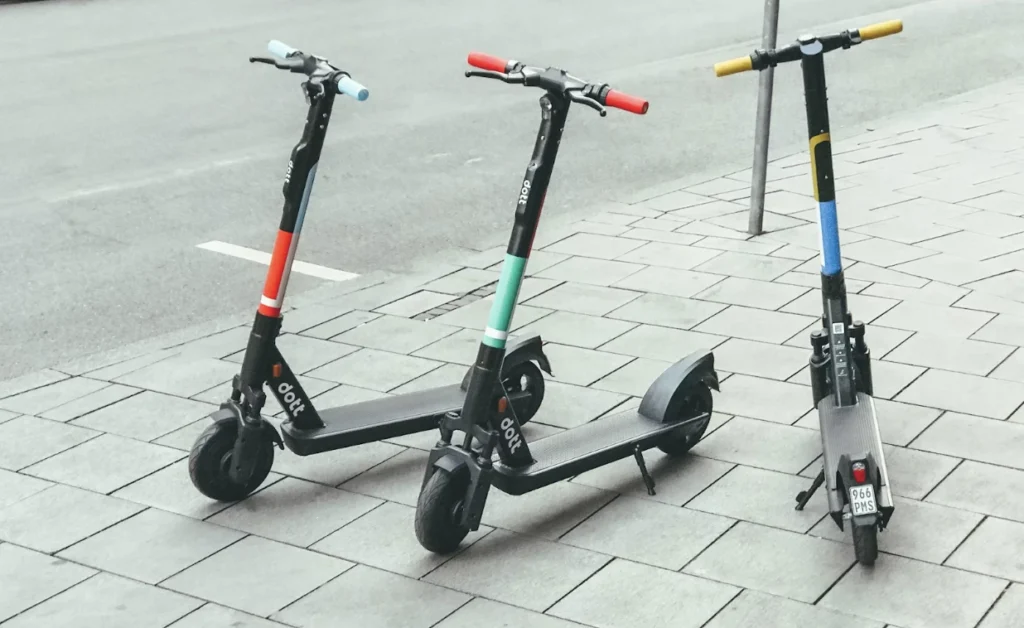
Think about items like cycling accessories, skateboards, helmets, and protective gear. These products have loyal customers who often buy related accessories over time.
One category worth considering is pro scooters. These are popular among teens and adults who enjoy action sports and tricks. Unlike basic scooters, pro scooters are built for performance and durability. Customers in this niche tend to be enthusiastic buyers who also purchase parts, upgrades, and safety gear.
Selling to a passionate community has big advantages. These customers know what they want, leave helpful reviews, and often recommend stores to friends. If you enjoy sports yourself, this niche could be a natural fit. Building a store around something you genuinely understand makes the whole journey more enjoyable.
Craft and Hobby Supplies for Creative Customers
The Appeal of Selling to Hobbyists
Crafters are some of the most dedicated buyers you will find. When someone loves quilting, sewing, or knitting, they invest seriously in their hobby. They want quality materials and are willing to pay for them.
Hobby communities are also incredibly loyal. Once crafters find a store they trust, they keep coming back. They join online groups, share their projects, and recommend their favourite suppliers. This word of mouth can be invaluable for a new seller.
The craft market is also surprisingly large. Millions of people worldwide enjoy making things with their hands. From young adults learning new skills to retirees enjoying their free time, the audience is broad and engaged.
Craft Products That Attract Loyal Buyers
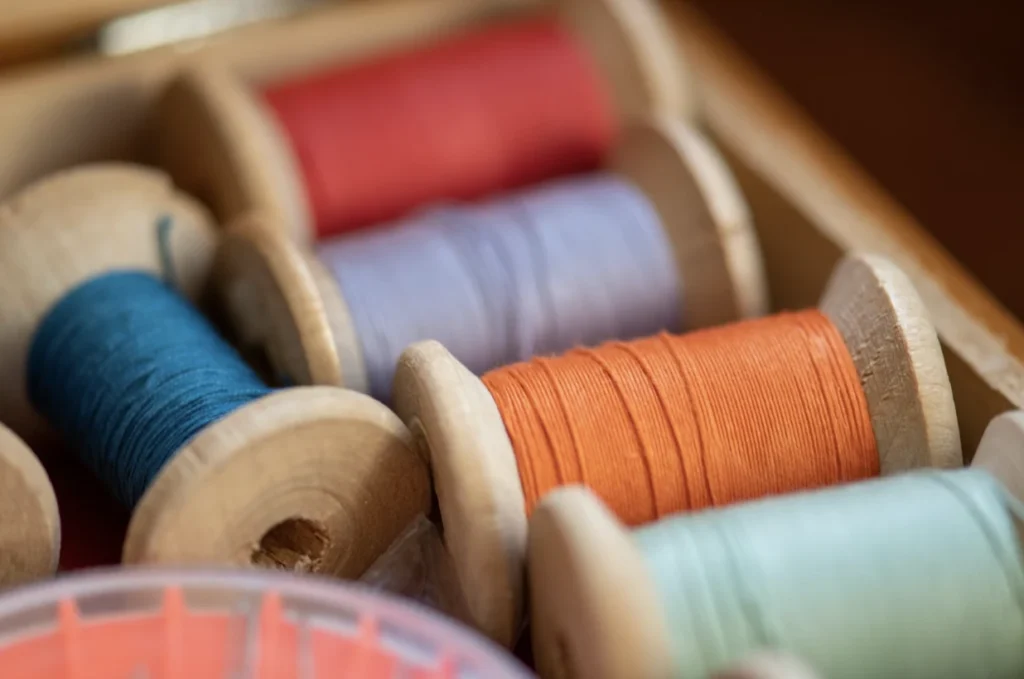
Fabrics, yarns, patterns, threads, and sewing tools all have steady demand. The trick is finding a niche within the craft world that you can serve well.
For example, quilters often search for premium materials like Tilda fabric because of its beautiful designs and soft quality. Offering curated fabric collections or hard to find patterns can set your store apart from generic competitors.
Craft supplies are also great for bundling. You can create themed kits or starter packs that appeal to beginners. These bundles add value for customers and increase your average order size. If you have any interest in crafts, this niche offers a welcoming and profitable market.
Consider adding tutorials or project ideas to your store as well. Helpful content builds trust and encourages customers to buy the supplies they need from you.
Tech Accessories With Everyday Demand
Why Phone Accessories Are a Smart Choice
Almost everyone owns a smartphone these days. And almost everyone needs accessories for it. Phone cases crack, chargers break, and cables wear out. This creates constant demand that never really slows down.
Tech accessories are also lightweight and easy to ship. You do not need a huge warehouse to store inventory. This makes them ideal for beginners who want to keep startup costs low.
The market is also incredibly flexible. You can sell budget friendly options or premium products. You can target specific devices or offer wide compatibility. There is room for many different approaches.
Tech Products That Customers Always Need
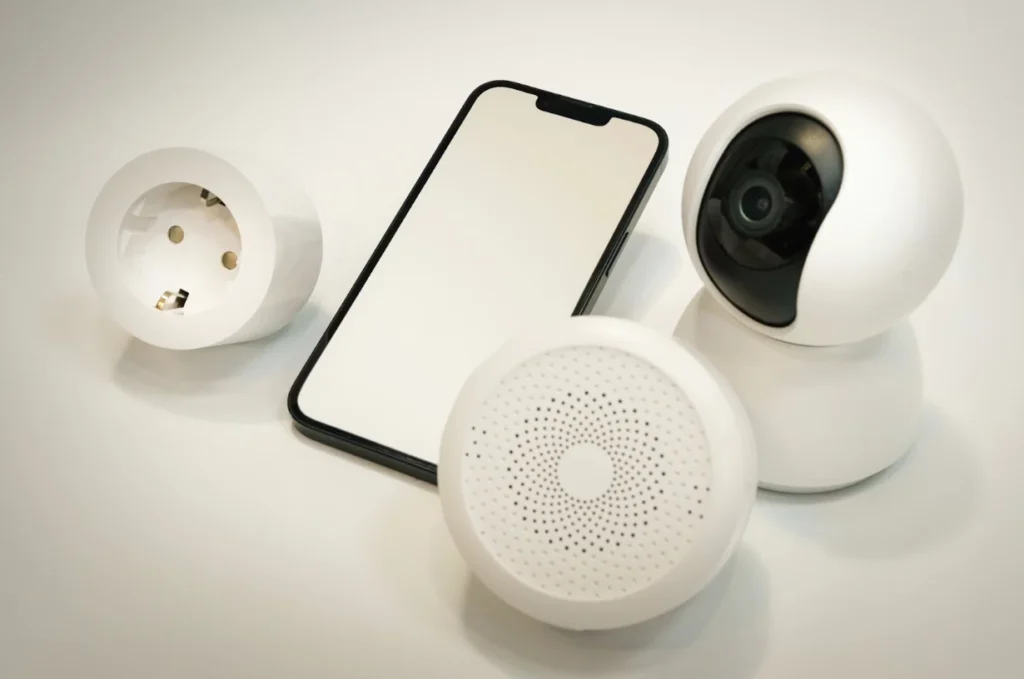
Phone cases, screen protectors, chargers, cables, and stands are all reliable sellers. You can target specific phone models or offer a wide range to attract more buyers.
Searches for products like iPhone case Australia show that local buyers are actively looking for protective accessories. Offering stylish designs, rugged protection, or eco friendly options helps you stand out in a crowded market.
The best part about tech accessories is variety. You can cater to different tastes, from minimalist designs to bold patterns. Testing what resonates with your audience is easy because these products are affordable to stock and quick to ship.
You can also expand into related products like tablet accessories, laptop sleeves, or wireless earbuds cases. Once you understand your customers, growing your product range becomes much easier.
Tips for Choosing the Right Products for Your Store
Research Your Market Before You Start
Do not just pick products based on what you like. Take time to understand what customers actually want. Use free tools to check search trends and see what competitors are selling.
Look at reviews on popular marketplaces. What do customers love? What do they complain about? This research helps you find opportunities and avoid common mistakes. Spending a few hours on research can save you months of frustration later.
Start Small and Grow Gradually
You do not need hundreds of products on day one. Start with a focused range and learn as you go. Test a few items, see what sells, and expand based on real results.
Listen to your customers. Their feedback will guide you toward better products and smarter decisions. Every successful store started somewhere small, so do not be afraid to begin simply. Growth comes naturally when you stay consistent and keep improving.
Conclusion
Choosing the right products does not have to be complicated. Sports gear, craft supplies, and tech accessories are all proven categories with steady demand. Each offers opportunities for new sellers willing to learn their niche.
Pick something that interests you or matches a market you understand. Start with a few products, test the waters, and grow from there. The most important step is simply getting started.
Your first online store is a learning experience. Embrace it, stay curious, and keep improving. Success comes to those who take action and stay consistent.
Frequently Asked Questions
What products are easiest to sell online for beginners?
Lightweight items that are easy to ship work best for new sellers. Think accessories, small gadgets, craft supplies, or hobby gear. These products have lower shipping costs and simpler storage needs, making them perfect for getting started.
How do I know if a product will sell well?
Check search trends to see if people are looking for the product. Look at competitor stores and read customer reviews. If there is consistent demand and you can offer something slightly better or different, you have a good chance of success.
Should I sell many products or focus on a niche?
Starting with a focused niche is usually smarter for beginners. It helps you build expertise, attract loyal customers, and stand out from bigger stores. You can always expand later once you understand your market better.
Where can I find suppliers for my online store?
You can source products from wholesalers, dropshipping platforms, or directly from manufacturers. Research multiple options and compare pricing, quality, and shipping times before committing to a supplier. Building good supplier relationships takes time but pays off in the long run.
- About the Author
- Latest Posts

Our Editorial Team are writers and experts in their field. Their views and opinions may not always be the views of Wellbeing Magazine. If you are under the direction of medical supervision please speak to your doctor or therapist before following the advice and recommendations in these articles.


