According to the American Dental Association’s 2024 survey data, approximately 40 million Americans wear some form of dentures — yet emergency dental visits for denture-related infections and injuries continue to rise each year. The shift toward an aging population means more people than ever are navigating the transition to dentures, often with limited guidance on daily care practices that can make or break their long-term comfort and oral health.
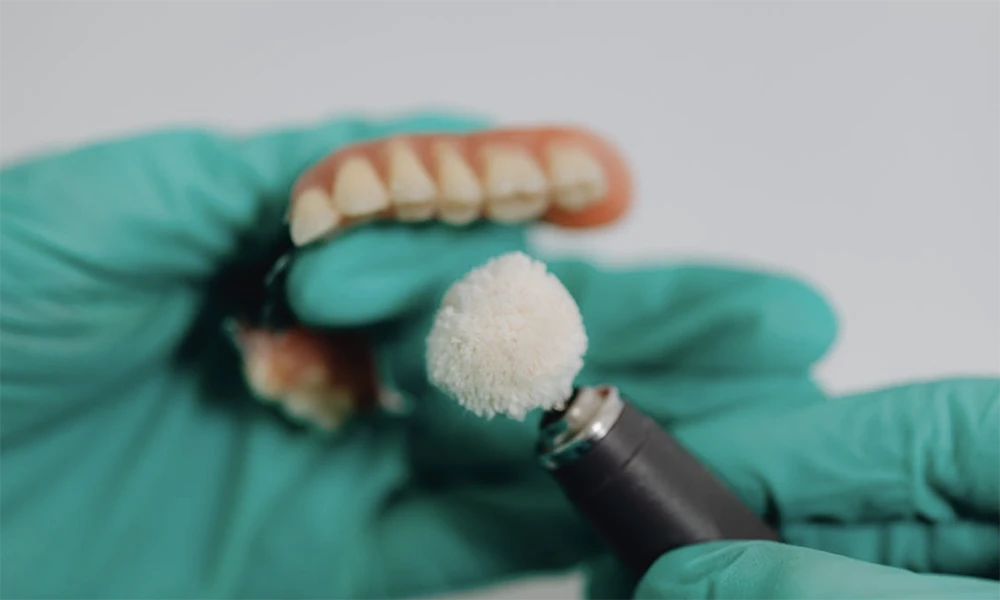
What many new denture wearers don’t realize is that proper care goes far beyond simple cleaning. The difference between dentures that feel secure and natural versus those that cause constant discomfort often comes down to daily habits that take just minutes but compound over months and years. Poor denture hygiene doesn’t just affect your mouth — it can lead to serious infections, nutritional problems from difficulty eating, and social challenges that impact quality of life.
The fundamentals of denture care aren’t complicated, but they’re specific. From avoiding common cleaning mistakes that can damage the denture material to recognizing early signs that professional adjustments are needed, understanding these practical steps helps ensure your dentures remain comfortable, functional, and long-lasting.
Why Proper Denture Care Improves Comfort and Health
The impact of denture hygiene extends well beyond keeping your mouth clean — it directly affects your ability to speak clearly, eat comfortably, and maintain overall oral health. When food particles and bacteria accumulate on dentures, they create an environment that can lead to denture stomatitis, a painful inflammation of the gum tissue underneath the denture. This condition affects roughly one in three denture wearers at some point, causing redness, swelling, and discomfort that makes wearing dentures nearly unbearable.
Consider someone who’s been wearing the same dentures for two years without proper daily cleaning. Food residue builds up in the tiny grooves and pores of the denture material, creating a breeding ground for harmful bacteria. Within weeks, they might notice a persistent bad taste, difficulty with certain foods, or soreness where the denture contacts their gums. What started as a simple hygiene issue has now become a health problem requiring professional treatment.
Proper denture maintenance also preserves the structural integrity of the dentures themselves. Denture materials, whether acrylic resin or porcelain, can develop microscopic cracks and surface roughness when exposed to harmful cleaning agents or improper handling. These tiny imperfections not only harbor bacteria but also create friction points that cause sore spots and affect how well the denture stays in place during eating and speaking.
The connection between denture care and nutritional health is particularly important for older adults. When dentures don’t fit properly or cause discomfort due to poor hygiene, people naturally avoid foods that require significant chewing — often the very foods highest in essential nutrients like lean proteins, fresh vegetables, and fruits. This dietary restriction can lead to nutritional deficiencies that compound other age-related health challenges.
Beyond physical comfort, clean and well-maintained dentures support confident social interaction. Nothing affects someone’s willingness to smile, laugh, or engage in conversation quite like the worry that their dentures might slip or that poor oral hygiene is noticeable to others. Establishing consistent care habits from the beginning helps prevent these concerns from developing in the first place.
How to Clean and Maintain Your Dentures Daily
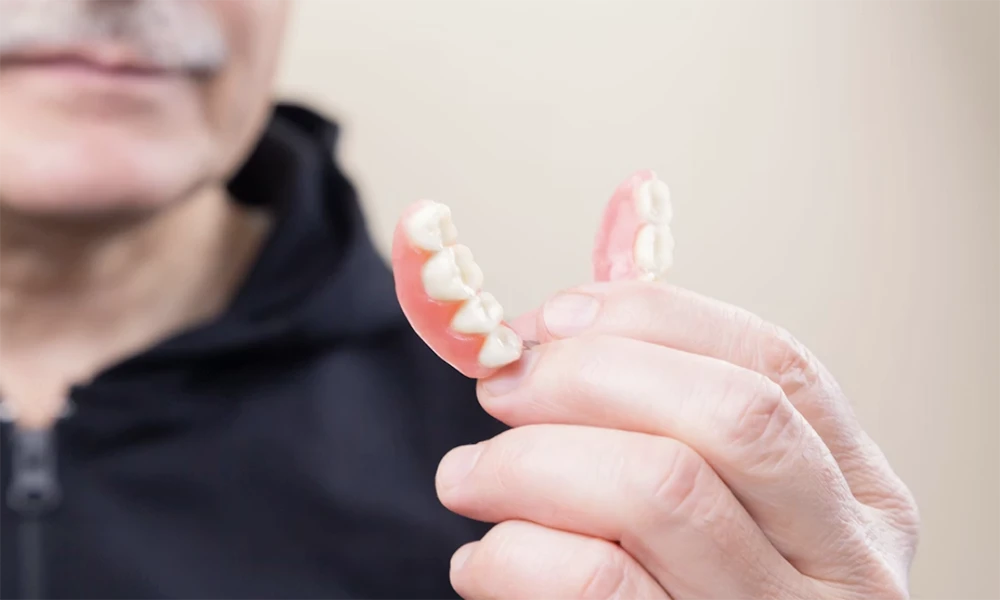
Building an effective daily routine starts with understanding that dentures require different care than natural teeth. The materials used in dentures are softer and more porous than tooth enamel, which means they need gentler handling and specific cleaning approaches to avoid damage while still removing bacteria and food particles effectively.
Start your cleaning routine by rinsing dentures with cool water immediately after eating, whenever possible. This simple step removes loose food particles before they have a chance to harden or work their way into the denture’s surface. When you’re ready for a thorough cleaning, fill a sink with water or place a folded towel in the bottom — dentures can crack or chip if dropped on a hard surface, and this cushioning provides essential protection during handling.
Use a soft-bristled denture brush or a regular soft toothbrush specifically designated for denture cleaning. Brush all surfaces of the denture gently but thoroughly, paying special attention to areas that contact your gums and the grooves where food particles commonly accumulate. The brushing motion should be gentle and circular rather than aggressive scrubbing, which can create scratches that harbor bacteria.
For cleaning solution, mild dish soap or denture-specific cleaners work well for daily use. Avoid regular toothpaste, which contains abrasives designed for tooth enamel that can damage denture materials over time. Similarly, steer clear of whitening toothpastes or any products containing bleach, which can weaken the denture structure and affect its color.
After brushing, rinse the dentures thoroughly under cool running water to remove all traces of cleaning products. Even small amounts of soap residue can cause irritation or affect taste when you put the dentures back in your mouth. This final rinse also gives you an opportunity to inspect the dentures for any signs of wear, cracks, or rough spots that might need professional attention.
The timing of your cleaning routine matters as much as the technique. Many denture wearers find that removing and cleaning their dentures after each meal, when possible, prevents the buildup of food particles and bacteria that can cause odors and discomfort. At minimum, a thorough cleaning before bed is essential, as this is typically when dentures are removed for overnight soaking.
Common Denture Care Mistakes and How to Avoid Them
Improper Cleaning Methods
Many well-intentioned denture wearers unknowingly damage their appliances by using cleaning methods designed for natural teeth. Hot or boiling water, while effective for sterilizing many items, can warp denture materials and change their fit permanently. The heat causes the acrylic resin to expand and potentially distort, creating gaps or pressure points that affect comfort and retention.
Regular toothpaste represents another common mistake that seems logical but proves harmful over time. Most toothpastes contain abrasive particles designed to polish tooth enamel, but these same abrasives create microscopic scratches on denture surfaces. These scratches not only make the dentures look dull and stained but also provide places for bacteria to hide, making thorough cleaning increasingly difficult.
Harsh chemicals like bleach, alcohol-based mouthwashes, or household cleaners might seem like powerful solutions for tough stains or odors, but they can break down the bonding agents that hold denture components together. Even some denture cleaning products contain ingredients too strong for daily use — always read labels and follow manufacturer guidelines for frequency and concentration.
The “quick fix” mentality also leads to problems. Using denture adhesive to compensate for poor fit rather than addressing the underlying issue can create a cycle where more adhesive is needed over time. Excessive adhesive buildup becomes difficult to remove and can actually contribute to bacterial growth if not cleaned properly.
Neglecting Regular Care and Checkups
Perhaps the most costly mistake is treating dentures as “set it and forget it” appliances. Unlike natural teeth, which remain anchored in bone, dentures rest on tissues that naturally change over time. The bone and gum tissue that support dentures continue to remodel after tooth loss, meaning that dentures that fit perfectly initially may gradually become loose or uncomfortable.
Skipping routine dental visits often stems from the misconception that denture wearers don’t need regular professional care. However, professional denture services in Naples and similar specialized care providers emphasize that regular checkups remain essential for maintaining oral health and denture function. Professional cleanings remove buildup that home care can’t address, while routine examinations catch developing problems before they become serious.
Ignoring early warning signs compounds problems unnecessarily. Slight discomfort, changes in how dentures feel during eating, or minor irritation often signal that adjustments are needed. Continuing to wear ill-fitting dentures can lead to pressure sores, bone loss, and infections that require extensive treatment and potentially replacement of the dentures entirely.
Proper Storage and Soaking Methods for Dentures
When dentures aren’t being worn, proper storage becomes crucial for maintaining their shape, cleanliness, and longevity. Dentures must remain moist when not in use — allowing them to dry out can cause the materials to warp or crack, permanently altering their fit. This is particularly important overnight, when most people remove their dentures to give their gum tissues a chance to rest and recover.
The simplest overnight storage involves placing clean dentures in cool water in a covered container. This maintains the necessary moisture while protecting the dentures from damage. However, many denture wearers benefit from using specialized soaking solutions that provide additional cleaning and antimicrobial benefits during the storage period.
Denture soaking tablets offer convenient overnight cleaning that complements daily brushing. These effervescent tablets contain enzymes and mild abrasives that help break down protein deposits, food stains, and bacterial biofilms that regular brushing might miss. When choosing soaking products, look for solutions specifically formulated for your denture type — some products work better with partial dentures, while others are designed for full dentures or specific materials.
For those preferring natural alternatives, a mild solution of water and white vinegar can provide antimicrobial benefits, though this should be used sparingly as acidic solutions can potentially affect some denture materials over time. Similarly, some denture wearers use diluted salt water, which provides gentle cleaning without the chemicals found in commercial products.
The storage container itself deserves attention. Use a clean container with a tight-fitting lid to prevent contamination and maintain moisture levels. Replace storage containers regularly, as they can harbor bacteria even after cleaning. Some containers come with ventilation systems that maintain proper humidity while preventing bacterial growth — these can be particularly beneficial for people who travel frequently or live in very dry climates.
Temperature control during storage matters as well. Extreme temperatures, whether hot or cold, can affect denture materials. Room temperature storage works best, avoiding areas near heating vents, windows with direct sunlight, or unheated spaces that might freeze in winter climates.
How to Identify Denture Fit Issues and When to Seek Adjustments
Signs Your Dentures Need Adjustment
Recognizing when dentures need professional attention can prevent minor issues from becoming major problems. Persistent sore spots that don’t improve with proper cleaning and careful insertion technique often indicate pressure points where the denture no longer fits the changing contours of your mouth. These sore areas typically develop gradually as tissues heal and remodel following tooth extraction, but they can also result from minor chips or rough spots on the denture itself.
Changes in how your dentures feel during eating provide important clues about fit problems. If foods you previously enjoyed become difficult to chew, or if your dentures seem to move more during eating than they used to, the supporting tissues may have changed enough to require professional adjustment. Similarly, if you find yourself using significantly more denture adhesive to achieve the same level of retention, this suggests the dentures no longer conform properly to your mouth’s current shape.
Speech changes often signal denture problems that aren’t immediately obvious during routine activities. Difficulty pronouncing certain sounds, a lisp that develops over time, or the feeling that your tongue doesn’t have enough room can indicate that dentures have shifted position or that tissue changes have affected how they sit in your mouth. These issues typically worsen gradually, making them easy to dismiss initially, but they significantly impact quality of life and social confidence.
The Role of Professional Denture Maintenance
Professional denture care goes far beyond what’s possible with home maintenance, addressing both the dentures themselves and the health of the supporting tissues. During routine visits, dental professionals can identify wear patterns, pressure points, and material fatigue that aren’t visible to patients but affect long-term comfort and function.
Denture relining represents one of the most important professional services for maintaining proper fit. As the bone and gum tissues that support dentures continue to change over time, the dentures’ inner surface may no longer conform accurately to the mouth’s current contours. Professional relining involves adding new material to the denture’s tissue-contact surface, restoring proper fit without requiring complete denture replacement.
Professional cleaning services can also address stains, calculus buildup, and bacterial deposits that resist home care efforts. These thorough cleanings not only improve appearance but also eliminate bacterial reservoirs that can contribute to oral infections and denture odors. The specialized equipment and cleaning solutions available to dental professionals achieve results that aren’t possible with consumer products, helping extend denture lifespan and maintain optimal oral health.
Regular professional monitoring also enables early detection of oral health changes that require attention beyond denture adjustments. Oral cancer screening, evaluation of remaining natural teeth, and assessment of gum and bone health all remain important for denture wearers, and these services require professional expertise and specialized equipment.
The investment in regular professional care typically proves cost-effective compared to the expense of premature denture replacement or treatment of complications from neglected problems. Most dental professionals recommend denture checkups every six months to one year, depending on individual circumstances and the age of the dentures.
Understanding your dentures’ expected lifespan also helps inform maintenance decisions. Most dentures function well for five to seven years with proper care, but significant tissue changes, wear, or damage may necessitate earlier replacement. Professional evaluation can help determine whether adjustments, relining, or replacement represents the best approach for maintaining optimal function and comfort as your needs evolve.
- About the Author
- Latest Posts

Our Editorial Team are writers and experts in their field. Their views and opinions may not always be the views of Wellbeing Magazine. If you are under the direction of medical supervision please speak to your doctor or therapist before following the advice and recommendations in these articles.