The American Dental Association’s 2024 consumer survey reveals that over 80% of adults consider a bright, white smile essential for professional and social confidence — yet nearly half report avoiding whitening treatments due to uncertainty about safety and effectiveness. As cosmetic dentistry continues to evolve with new technologies and treatment options, the gap between what patients want and what they understand about whitening has never been wider.
This disconnect matters because whitening isn’t a one-size-fits-all solution. Your age, existing dental work, lifestyle habits, and sensitivity levels all influence whether you’re a good candidate and which approach will deliver the results you’re looking for. Making the wrong choice can lead to disappointing outcomes, unnecessary sensitivity, or even damage to your enamel.
Understanding the science behind whitening, the real risks versus misconceptions, and how different methods compare gives you the foundation to make an informed decision about whether whitening fits your dental health goals.
What Are the Benefits of Teeth Whitening?
Beyond the obvious aesthetic improvement, teeth whitening delivers psychological benefits that extend far into daily life. Research consistently shows that people with whiter smiles are perceived as more confident, successful, and approachable in both professional and social settings. This perception shift often becomes a self-fulfilling prophecy — individuals report feeling more confident about speaking up in meetings, smiling freely in photos, and engaging more openly in social situations.
The confidence boost goes deeper than vanity. Consider someone who’s spent years covering their mouth when laughing or avoiding close-up photos at family gatherings. Professional whitening can eliminate years of self-consciousness in a single treatment, fundamentally changing how they interact with the world. Many patients describe the experience as liberating — suddenly feeling comfortable with their natural expression rather than constantly managing their smile.
From a practical standpoint, whiter teeth often motivate better oral hygiene habits. When people invest in whitening, they typically become more conscientious about brushing, flossing, and avoiding staining substances. This heightened awareness can lead to improved overall dental health, creating a positive feedback loop where the cosmetic improvement drives better preventive care.
The aesthetic benefits themselves are substantial. Professional whitening can lighten teeth by three to eight shades, removing years of accumulated stains from coffee, wine, tobacco, and natural aging. Unlike surface-level solutions, effective whitening targets both surface and deep-set stains, creating results that look natural rather than artificially bright. The key lies in understanding how different stains respond to various whitening approaches.
How Does Teeth Whitening Work and Affect Your Dental Health?
Mechanisms Behind Whitening Agents
Peroxide-based whitening agents work by breaking down chromogens — the pigmented molecules responsible for tooth discoloration. When hydrogen peroxide or carbamide peroxide penetrates the tooth enamel, it releases oxygen molecules that chemically alter these stain compounds, rendering them colorless without permanently changing the tooth structure itself.
The process differs significantly from surface cleaning. While regular brushing removes external stains on the enamel surface, whitening agents penetrate through microscopic pores in the enamel to reach discoloration within the dentin layer beneath. This is why whitening can address deep-set stains that develop over years, including those caused by medications, genetics, or aging-related changes in tooth composition.
Concentration matters enormously in effectiveness and safety. Professional treatments typically use 15-35% hydrogen peroxide, while over-the-counter products contain 3-10%. Higher concentrations work faster but require careful application to prevent soft tissue irritation. The chemical reaction continues for several hours after application, which is why sensitivity often peaks 24-48 hours post-treatment rather than immediately.
Impact on Enamel and Oral Hygiene
Contrary to common fears, research indicates that properly administered peroxide whitening does not permanently damage healthy enamel. Studies using electron microscopy show that while whitening temporarily increases enamel porosity, this change reverses within days as minerals from saliva restore the tooth surface. However, overuse or improper application can create more significant structural changes.
The temporary porosity explains why teeth appear more susceptible to staining immediately after whitening. During the first 48 hours, avoiding highly pigmented foods and beverages is crucial because the enlarged pores allow deeper stain penetration than normal. This vulnerability is temporary, but ignoring it can actually result in darker teeth than before treatment.
Whitening can affect oral bacteria populations, though the implications remain under study. Some research suggests that peroxide’s antibacterial properties may temporarily reduce harmful bacteria, potentially benefiting gum health. However, this effect is short-lived, and whitening should never be considered a substitute for proper oral hygiene or professional dental care.
How Do At-Home and Professional Whitening Methods Compare?
Effectiveness and Safety Differences
Professional in-office whitening delivers the most dramatic results in the shortest time, typically lightening teeth 3-8 shades in a single 60-90 minute session. The higher peroxide concentrations require careful isolation of gums and soft tissues, but allow for precise control and immediate adjustment if sensitivity develops. Most dental offices use light or heat activation to enhance the chemical reaction, though the primary whitening comes from the peroxide itself.
At-home options span a wide effectiveness range. Custom-fitted trays from your dentist with professional-grade gel offer the best balance of safety and results among take-home options. The custom fit ensures even distribution and prevents gel from contacting gums, while the controlled concentration allows for gradual whitening over 1-2 weeks. This slower process often produces less sensitivity than single-session treatments.
Over-the-counter strips and generic trays provide convenience and affordability but with notable limitations. Strip adhesion varies widely between individuals, often leaving uneven coverage or missing the back teeth entirely. The one-size-fits-all approach can lead to gel pooling against gums or gaps that prevent effective contact with tooth surfaces. Results typically max out at 2-3 shade improvement over several weeks of consistent use.
Customization and Patient Suitability
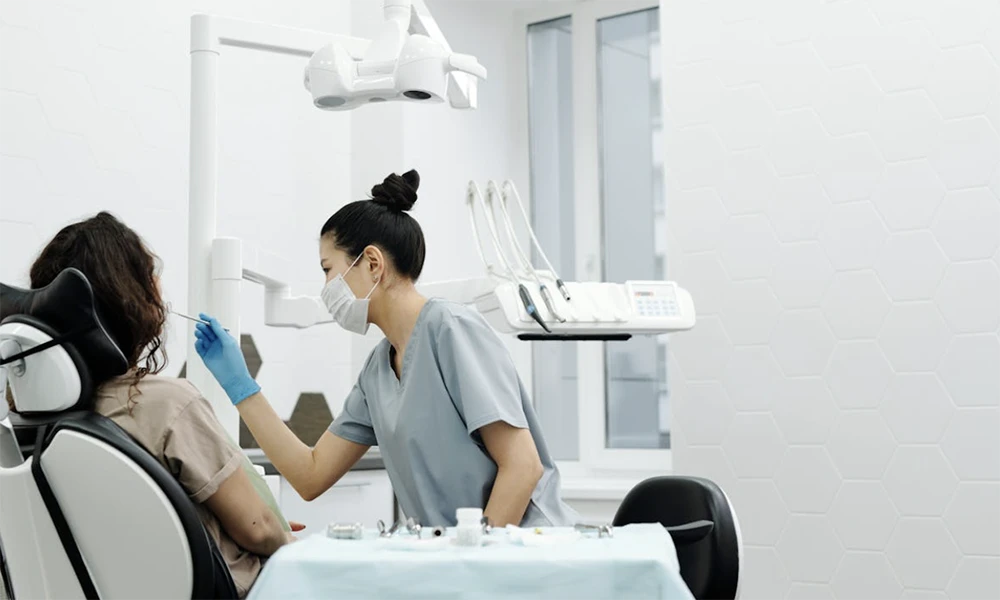
Dentist supervision allows for personalized treatment protocols that account for your specific sensitivity levels, existing dental work, and whitening goals. For instance, patients with crowns or veneers need careful shade matching to avoid creating obvious color differences between natural and restored teeth. Some individuals require pre-treatment with desensitizing agents or modified application schedules to minimize discomfort.
Whitening treatments for teeth can be specifically tailored when working with dental professionals who understand how individual factors affect outcomes. Age, genetics, medication history, and the type of staining present all influence which approach will be most effective and comfortable.
The customization extends to maintenance strategies. Professional evaluation helps determine realistic expectations and sustainable long-term care plans that preserve results without compromising oral health.
What Are the Risks and Common Misconceptions About Whitening?
Tooth sensitivity represents the most common side effect, affecting roughly 60% of whitening patients to some degree. This typically manifests as sharp, brief pain when consuming hot, cold, or acidic foods and beverages. The sensitivity usually peaks 24-48 hours after treatment and subsides within a week, but can be minimized through pre-treatment with fluoride or potassium nitrate-based desensitizing agents.
Gum irritation occurs when whitening gel contacts soft tissues, causing temporary inflammation or blanching. Professional treatments prevent this through careful isolation, while at-home users should apply gel sparingly and ensure proper tray fit. Swallowing whitening gel can cause stomach upset, making precise application important with all products.
One persistent misconception holds that whitening damages enamel permanently. Current research shows no evidence of permanent structural damage when products are used as directed. However, excessive or improper use — like leaving strips on longer than recommended or using treatments more frequently than advised — can indeed cause problems including increased porosity and mineral loss.
Another myth suggests that natural methods like lemon juice or baking soda are safer than commercial products. In reality, acidic substances like citrus can erode enamel directly, while abrasive materials can wear away surface layers. These approaches may appear to whiten by removing surface stains, but they often cause permanent damage that makes teeth more susceptible to future discoloration and decay.
The belief that whitening works equally well on all types of discoloration leads to disappointment. Gray discoloration from medications or genetics responds poorly to peroxide-based whitening, while yellow and brown stains from aging, food, and tobacco typically lighten dramatically. Managing expectations based on stain type prevents frustration and guides patients toward appropriate treatments.
How Should You Maintain Teeth After Whitening?
Post-whitening care determines whether your results last six months or three years. The first 48 hours require the most attention — avoiding coffee, tea, red wine, berries, tomato sauce, and other highly pigmented foods prevents rapid re-staining while enamel pores remain enlarged. Even smoking or using tobacco products during this critical window can reverse much of the whitening effect.
Long-term maintenance centers on modifying habits that caused the original staining. This doesn’t mean eliminating all staining substances forever, but rather consuming them strategically. Drinking coffee or wine through a straw, rinsing with water afterward, and timing consumption away from sleep hours when saliva flow decreases all help preserve whitening results. Many patients find that morning coffee affects their whitening less than evening wine, likely due to increased saliva production and oral activity during the day.
Your oral hygiene routine may need upgrading to maintain results. Whitening toothpaste can help remove surface stains between professional treatments, but products containing abrasives should be used sparingly to avoid enamel wear. Electric toothbrushes often prove more effective than manual brushing for stain removal, while daily flossing prevents plaque buildup that can make teeth appear duller.
Regular dental cleanings every six months become even more important after whitening. Professional cleanings remove plaque and tartar that home care misses, while also polishing away surface stains before they set in deeper. Many patients schedule touch-up whitening treatments annually or biannually, using lower-concentration products to maintain their desired shade without repeating the full initial treatment.
Understanding your individual re-staining pattern helps optimize maintenance timing. Some people maintain results for years with minimal intervention, while others notice gradual darkening within months. Factors like genetics, medication use, age, and lifestyle habits all influence how quickly teeth return to their pre-whitening shade. Recognizing these patterns early allows for proactive maintenance rather than reactive re-treatment, preserving both results and oral health over the long term.
- About the Author
- Latest Posts

Our Editorial Team are writers and experts in their field. Their views and opinions may not always be the views of Wellbeing Magazine. If you are under the direction of medical supervision please speak to your doctor or therapist before following the advice and recommendations in these articles.