Everything Adults Need to Know About Replacing Missing Teeth
Losing a tooth is more common than many people think. Some adults lose teeth because of decay, gum disease, accidents, or years of wear and tear.
Losing a tooth is more common than many people think. Some adults lose teeth because of decay, gum disease, accidents, or years of wear and tear. They put off treatment because they feel embarrassed, worried about the cost, or unsure about their options. But missing teeth affect more than appearance alone. They can change the way you eat, speak, smile, and even how confident you feel in daily life.
What many people don’t realize is that replacing missing teeth early can help prevent bigger dental problems later. Gaps in the mouth can place extra pressure on nearby teeth, affect jawbone health, and slowly change facial structure over time.
Whether you are missing one tooth or several, understanding your options can help you make a smart and informed decision about your oral health.
Why Replacing Missing Teeth Matters More Than You Think
When you lose a tooth, it can seem like a small issue at first, especially if the gap is hidden from view. But your teeth work together every day to help you chew, speak clearly, and support the shape of your face. Once a tooth is missing, nearby teeth may slowly shift into the empty space. This can affect your bite and make cleaning your teeth more difficult. You may also avoid certain foods because chewing becomes uncomfortable. Replacing missing teeth helps you protect your oral health while also helping you feel more confident in social and professional situations.
Consult a Trusted Dental Practice Before Choosing Any Treatment
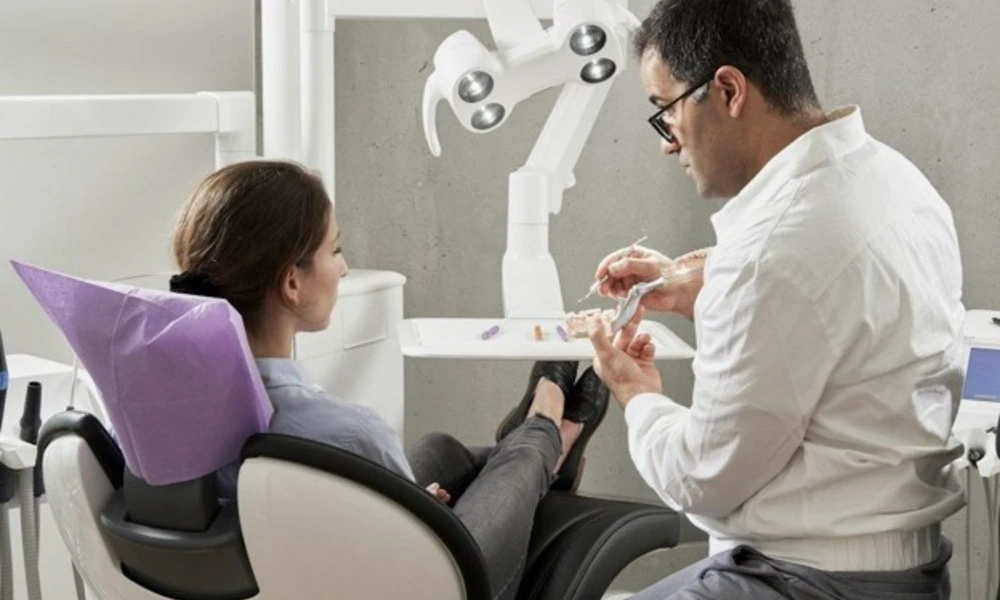
Tooth replacement is not something you should rush or base only on price. A skilled dental team can examine your teeth, gums, and jawbone before recommending the right solution for you. Every mouth is different, and what works well for one person may not suit another. Experienced dentists can help you explore the best tooth replacement solutions based on your lifestyle, dental history, and long-term goals instead of pushing quick fixes that may not last. They also use advanced imaging and modern techniques to improve comfort and results. When you work with a trusted dental practice, you are more likely to receive treatment that looks natural, feels comfortable, and supports your oral health for years to come.
Common Causes of Tooth Loss in Adults
Many adults lose teeth because of untreated cavities or gum disease. In some cases, injuries from sports, falls, or accidents can damage teeth beyond repair. Smoking and poor oral hygiene also increase the risk of tooth loss because they weaken the gums and supporting structures around the teeth. Some people may lose teeth due to health conditions that affect bone strength or blood flow. Even grinding your teeth at night can create damage over time. Knowing the reason behind tooth loss is important because your dentist will want to address the underlying issue before replacing the missing tooth.
Dental Implants: The Most Popular Long-Term Solution
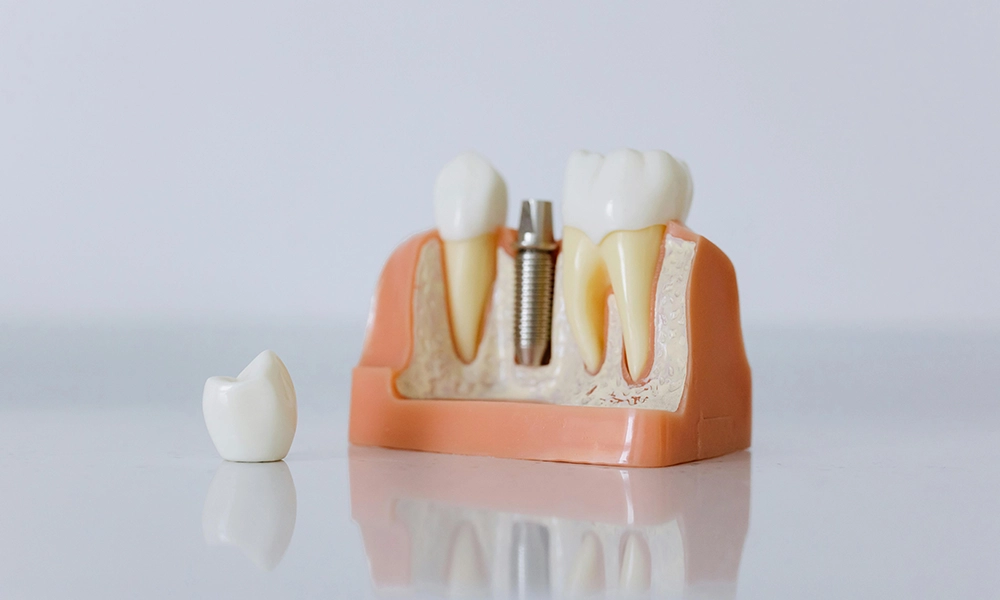
Dental implants have become one of the most trusted options for replacing missing teeth because they look and function very much like natural teeth. The process includes placing a small titanium implant into the jawbone to serve as a replacement root for the missing tooth. After the area heals and the implant bonds with the bone, a custom-designed crown is secured on top to restore the appearance and function of the tooth. Many adults prefer implants because they stay firmly in place and do not rely on nearby teeth for support. You can eat comfortably, speak naturally, and maintain your regular routine without worrying about movement or slipping. With proper care, implants can remain in excellent condition for many years.
Understanding the Difference Between Bridges and Dentures
Bridges and dentures are both common tooth replacement options, but they serve different needs. A dental bridge is usually recommended when you are missing one or a few teeth in the same area. It stays fixed in place and is supported by nearby teeth. Dentures, on the other hand, are removable and are often used when several teeth are missing. Some people choose partial dentures, while others need a full set. Your lifestyle, budget, and oral health condition all play a role in deciding which option fits you best. A dentist can help you compare comfort, maintenance, appearance, and long-term benefits before making a decision.
The Role of Bone Health in Tooth Replacement
Your jawbone plays a major role in supporting your teeth. After losing a tooth, the bone in that area can slowly shrink because it no longer receives regular stimulation from chewing. This is one reason dentists often recommend replacing missing teeth sooner rather than later. If too much bone is lost, certain treatments like dental implants may become more difficult without additional procedures. In some cases, a dentist may suggest bone grafting to rebuild support before placing an implant. While this sounds intimidating, modern dental techniques have made these procedures far more comfortable than many people expect. Healthy bone structure helps create stronger, longer-lasting results.
Factors That Influence the Cost of Tooth Replacement
The cost of replacing missing teeth depends on several factors, including the type of treatment you choose and the condition of your oral health. Dental implants usually cost more upfront because they involve surgery, custom restorations, and advanced planning. Bridges and dentures are often more affordable initially, though they may need replacement or adjustments later. Additional treatments such as tooth extractions, bone grafting, or gum care can also affect the total price. While budget is important, it helps to think about comfort, appearance, and long-term value as well. A quality treatment performed correctly can save you from future dental complications and repeat procedures.
Daily Habits That Help Your Replacement Teeth Last Longer
Replacement teeth still require proper care if you want them to stay in good condition. Brushing twice a day, flossing regularly, and visiting your dentist for cleanings can help protect both your restoration and your remaining natural teeth. If you have dentures, keeping them clean and stored properly is equally important. Habits like smoking, chewing ice, or using your teeth to open packages can damage restorations and shorten their lifespan. Wearing a nightguard may also help if you grind your teeth while sleeping. Simple daily habits can go a long way in helping your replacement teeth stay comfortable, functional, and natural-looking for years.
Living with missing teeth can affect the way you eat, speak, and carry yourself in everyday life, but you do not have to settle for discomfort or insecurity. Modern dental care has made tooth replacement more accessible, natural-looking, and dependable than ever before. When you take the time to explore your options and work with experienced professionals, you give yourself the chance to restore not only your smile, but also your confidence and quality of life.
Filed underDental