Social Media And Modern Travel Trends
There was a time when planning a trip began with a guidebook, a travel agent, or a long search through hotel websites.
Travel Now Starts Before The Search Bar
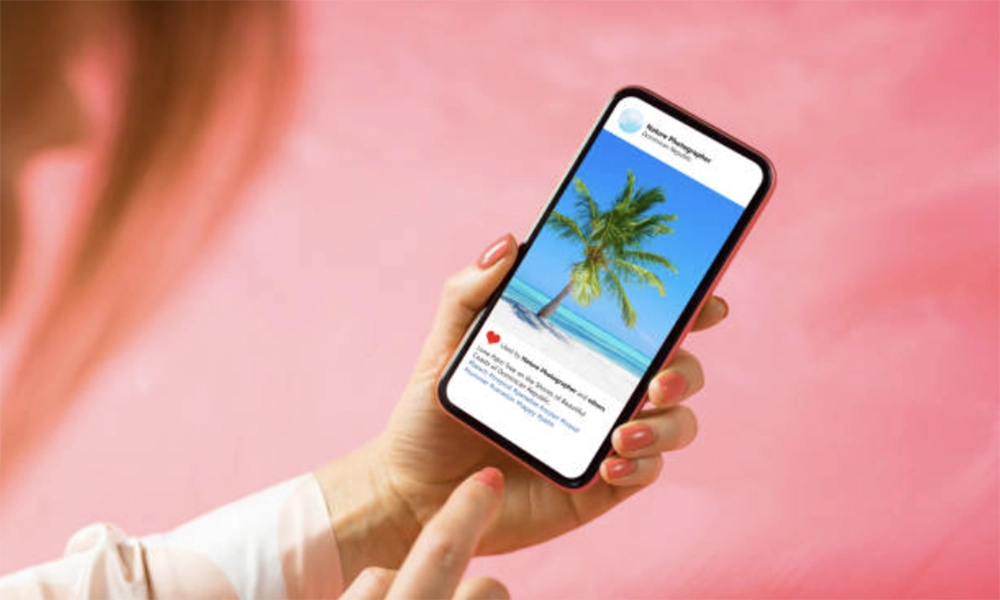
There was a time when planning a trip began with a guidebook, a travel agent, or a long search through hotel websites. Today, for many people, it begins with a video that lasts less than a minute. A waterfall appears on TikTok. A quiet street café shows up on Instagram. Someone shares a sunrise hike, a train ride, a tiny restaurant, or a room with a view, and suddenly a place that was never on your list becomes the place you cannot stop thinking about.
Social media has changed travel because it no longer just records the trip after it happens. It shapes the trip before it exists. It tells people where to go, what to eat, what to avoid, how to pack, when to book, and which experience is worth the splurge. More than three quarters of travelers now use social platforms for trip inspiration, and younger travelers often treat TikTok and Instagram like visual search engines instead of side entertainment.
That shift affects everything from major bucket list decisions to the details of a single day. A traveler might discover a Machu Picchu guided tour through a short video, then use comments, tagged posts, maps, reviews, and creator tips to decide how to fit it into a larger trip. The travel funnel has become less like a straight path and more like a conversation happening across screens.
The Feed Is The New First Impression
A destination’s first impression used to come from brochures, magazine spreads, or official tourism campaigns. Now it often comes from regular people holding phones. That makes travel feel more immediate and believable. A shaky video of someone walking through a market can feel more useful than a polished ad. A creator explaining what a place is actually like at 7 a.m. can feel more honest than a perfect sunset photo.
This is why social content is so powerful. It makes faraway places feel close. You can see how crowded a viewpoint gets, what the hotel breakfast looks like, how steep the trail is, what people wear, how long the line takes, and whether the famous café actually looks worth it. The fantasy is still there, but it is mixed with practical detail.
That blend of dream and reality is exactly what modern travelers want. They do not just want to know that a place is beautiful. They want to know how it feels to move through it. They want the sounds, prices, mistakes, shortcuts, and little warnings that help them imagine themselves there.
Validation Matters More Than We Admit
Social media does not only inspire trips. It validates them. Before booking, many travelers want proof that a place is still exciting, safe, open, scenic, and worth the money. A destination can have a strong reputation, but if recent posts show construction, crowds, poor conditions, or disappointed visitors, people pay attention.
This kind of validation is not always shallow. Travel costs money and time. People want reassurance before committing. They look at comments to see what others asked. They save videos to compare options. They check whether a creator visited recently. They scan tagged photos for less edited views. They use social media almost like a living review system.
The problem is that validation can turn into pressure. Travelers may feel like they have to choose the place everyone is posting about, order the dish everyone photographed, or stand in the exact spot that went viral. The trip can become less about personal curiosity and more about proving that you made the right choice.
A better approach is to use social media as a starting point, not a script. Let it open doors, but do not let it decide every room you enter.
The Rise Of Search By Vibe
Traditional search works best when you know what you are asking for. Social search works well when you only know the feeling you want. That is a major reason platforms like TikTok and Instagram have become travel planning tools.
People search phrases like “quiet beach towns,” “best food streets,” “romantic mountain stays,” “affordable Europe summer,” or “things to do in Cusco.” They are not always looking for one official answer. They are looking for a mood, a pace, a style, and a sense of whether the place fits them.
This is a big change. Travel planning used to focus mostly on location. Now it often starts with identity and atmosphere. Am I a slow traveler? A food traveler? A nature person? A history person? A traveler who wants comfort but not crowds? Social media helps people match trips to personality, not just geography.
The Pew Research Center social media fact sheet shows how widely platforms like YouTube, Instagram, TikTok, and others are used across different age groups. That matters for travel because these platforms are not niche planning tools anymore. They are part of everyday decision making.
Creators Have Become Informal Travel Editors
Travel creators now do some of the work that guidebook writers, magazine editors, and tourism boards once owned. They filter the world for their audiences. They say, “This was worth it,” “Skip this,” “Go early,” “Book ahead,” “Bring cash,” or “Stay in this neighborhood instead.”
The best creators are useful because they combine personality with detail. They do not just show a pretty view. They explain how they got there, what it cost, what surprised them, and what they would do differently. That kind of context helps travelers feel prepared.
But creator culture has limits. Some content is sponsored. Some posts exaggerate ease or beauty. Some creators visit a place once and speak like experts. Some viral recommendations overwhelm small businesses or fragile natural sites. A hidden gem can stop feeling hidden very quickly when millions of people save the same post.
This does not mean travelers should ignore creators. It means they should compare sources. A beautiful video is a lead, not a final answer.
Algorithms Can Flatten The World
One of the odd things about social media travel is that it can make the world feel both bigger and smaller. Bigger, because you discover places you may never have heard of. Smaller, because everyone starts seeing the same places from the same angles.
Algorithms reward content that gets attention quickly. That often means dramatic views, colorful meals, unusual hotels, clear blue water, and easy captions. The result is that certain destinations become famous for a handful of repeatable images. Travelers arrive already knowing what photo they want, which can make the experience feel strangely prewritten.
This can also push people toward crowding in specific spots while nearby streets, towns, museums, trails, and restaurants stay overlooked. The map becomes uneven. A single viewpoint is packed, while a quieter experience a few blocks away may offer more meaning.
The smart move is to use the algorithm, then step outside it. Save the viral spot if it truly interests you, but also ask what is nearby, what locals recommend, and what does not show up well on camera.
Good Travel Planning Still Needs Reliable Information
Social media is fast, visual, and personal, but it is not always complete. A video may not mention visa rules, weather patterns, altitude concerns, local regulations, trail permits, safety issues, or seasonal closures. A post can be inspiring and still leave out the details that make or break a trip.
That is why modern travel planning works best when social inspiration is paired with reliable sources. Broad digital behavior reports, such as the DataReportal global digital overview, help show how deeply online platforms shape daily life, but individual trip choices still need practical checking. Confirm opening hours. Read recent reviews. Look at official tourism or government pages when needed. Check maps, transit, weather, and booking rules before assuming a post tells the whole story.
Social media can point you toward a dream. Research helps make sure the dream has a working door.
The Best Trend Is More Personal Travel
The most useful travel trend is not a specific platform, destination, or photo style. It is the growing ability to build trips that match personal taste. Social media gives travelers access to more voices, more examples, and more ways to imagine a trip before spending money.
That can lead to better travel when people stay honest about what they actually want. Not every traveler needs the viral beach club. Not every traveler wants the sunrise hike. Not every traveler cares about the famous restaurant. The best trip is not the one that looks most impressive in a feed. It is the one that feels right while you are living it.
Social media has rewritten the travel playbook, but travelers still get to choose how they use it. The feed can be a window, a notebook, a warning system, a mood board, and a planning tool. It just should not become the whole journey.
The real goal is to let social media spark curiosity, then leave enough room for the trip to surprise you. That is where modern travel gets interesting. Not in copying what everyone else posted, but in using those sparks to create a story that feels like your own.