Spiritual Pilgrimages: What Draws People to Travel Thousands of Miles for an Experience They Can't Explain?
Something strange is happening in travel. While budget airlines make weekend breaks cheaper than ever and wellness retreats promise transformation in
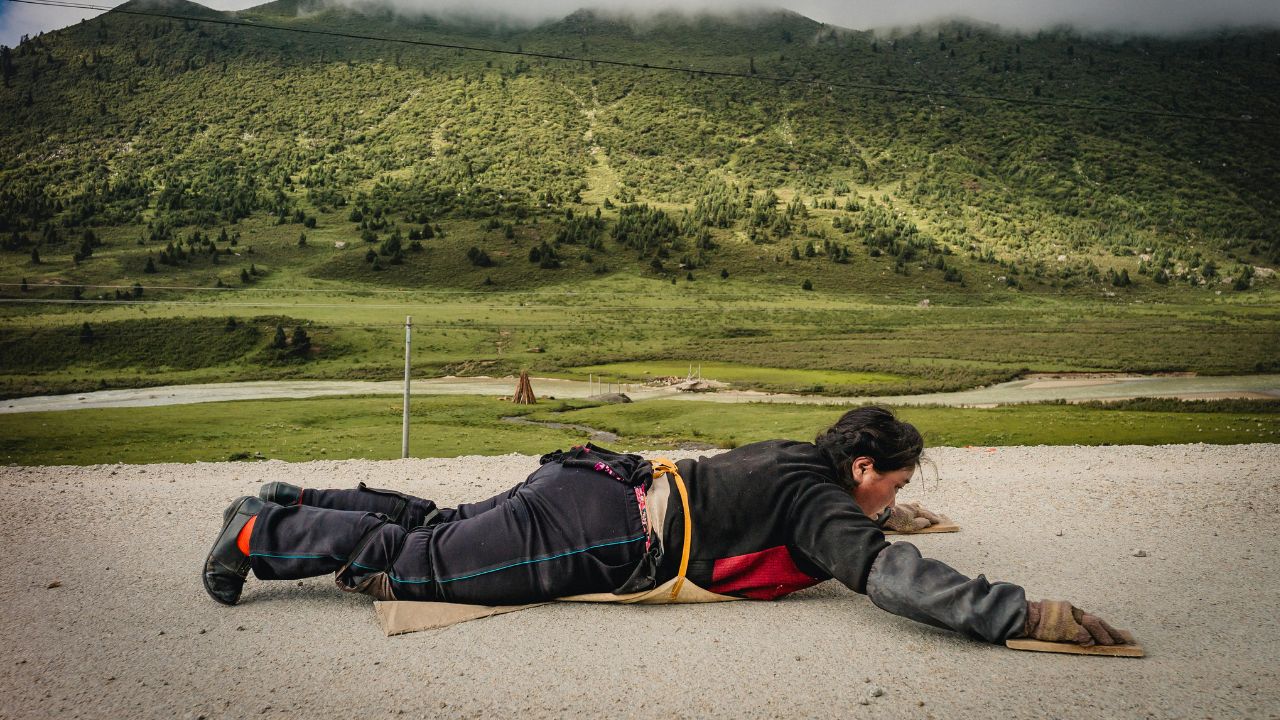
Something strange is happening in travel. While budget airlines make weekend breaks cheaper than ever and wellness retreats promise transformation in seventy-two hours, millions of people are choosing to do something far more uncomfortable. They are walking for weeks across mountain ranges. Standing in queues for hours to enter a grotto. Climbing rocky hills in bare feet at dawn.
According to the World Tourism Organization, international tourism has fully recovered to pre-pandemic levels, yet within that broader picture, pilgrimage travel is growing faster than leisure tourism in many regions. People are not simply travelling more. They are travelling differently, seeking something that ordinary holidays cannot provide.
Why? What draws people to travel thousands of miles for an experience they often struggle to articulate afterwards? The answers turn out to be more complex, and more human, than you might expect.
The Psychology of Pilgrimage: Why We Keep Walking Ancient Paths
Researchers have spent decades trying to understand what happens to people on pilgrimage. Studies on the Camino de Santiago have identified distinct types of exceptional experiences pilgrims report: feelings of interconnectedness, deep calm, heightened present-moment awareness, cathartic release, meaningful coincidence, and sudden insight.
What strikes you reading through the research is how different this is from ordinary travel. A holiday is about consumption and relaxation. A pilgrimage, by contrast, often involves deliberate difficulty. You could fly, but you walk. You could stay in comfort, but you choose simplicity. The Indian spiritual teacher Sadhguru captures something essential when he describes pilgrimage as "surrender rather than conquest." It is, he suggests, "a way of getting yourself out of the way."
This matters because most modern travel is about accumulation. Ticking off sights, collecting experiences, posting evidence. Pilgrimage works in the opposite direction. It strips things away. For those of us caught in what some call busy brain syndrome, the constant mental chatter that modern life produces, this stripping away can feel like medicine. Space opens up for something else.
Pilgrims often speak of seeking meaning, or of wanting to strengthen their spiritual purpose. But many also describe simply needing to step outside their perceived boundaries, to change their consciousness in a new setting. The journey becomes both metaphor and method.
What Actually Happens on a Spiritual Pilgrimage?
The physical journey matters. Really matters. Walking for days creates a rhythm that ordinary life lacks. Your world shrinks to the next hill, the next town, the next meal. The usual mental preoccupations about work deadlines and social obligations start to feel remote, then irrelevant.
There is also the community aspect, though it takes an unexpected form. Pilgrims often travel alone but find themselves walking alongside strangers who become temporary companions. Language barriers fall away. Social status becomes meaningless. The Greeks had a word for this deep fellowship that transcends ordinary social connection: koinonia. It is one of the things pilgrims most consistently say they were seeking, even if they did not have a name for it before they left. As one writer reflected after a meditation retreat in Thailand, fellow seekers on the journey slowly dissolve our sense of isolation.
Then there is ritual. Daily Mass. Climbing the stations of the cross. Walking a labyrinth. Queuing for confession. These repeated practices create what anthropologists call "sacred time," a space set apart from ordinary life where different rules apply. The accumulation of small acts builds toward something larger.
Interestingly, when researchers interview pilgrims about their experiences, many resist dramatic language. They push back against words like "transformation," preferring "deepening" or "recommitment." Most do not emerge from pilgrimage as entirely different people. They return more fully themselves.
Europe's Most Visited Pilgrimage Sites
The numbers at Europe's major pilgrimage sites continue to grow, even as traditional religious observance declines in many countries. Something is drawing people.
Camino de Santiago, Spain
The Camino has become the archetypal walking pilgrimage, drawing close to half a million pilgrims annually. The journey ranges from the minimum 100 kilometres required for the Compostela certificate to the full 800-kilometre French Way. Most arrive on foot, though some cycle or ride horseback.
What brings them? Studies suggest the majority cite "seeking clarification" as their primary motivation. Spiritual and religious reasons follow close behind. But the Camino attracts seekers of all kinds, from devout Catholics to those with no particular religious affiliation who simply feel called to walk. The principles of mindful tourism apply especially well here: respect for local customs, presence over documentation, and an openness to being changed by the places you visit.
Lourdes, France
Millions of pilgrims visit Lourdes each year, making it one of the most visited Catholic pilgrimage sites in the world. Since Bernadette Soubirous reported apparitions of the Virgin Mary in 1858, pilgrims have come seeking physical and spiritual healing at the grotto and the baths. The sick and disabled receive particular attention, with volunteers from around the world assisting those who struggle to make the journey alone.
Fatima, Portugal
Fatima draws millions of pilgrims annually, drawn by the 1917 apparitions witnessed by three shepherd children. The events gained particular fame for the "Miracle of the Sun," witnessed by tens of thousands, and for messages that many believe contained prophecies about world events. The shrine remains especially significant for those with devotion to Mary.
Medjugorje, Bosnia and Herzegovina
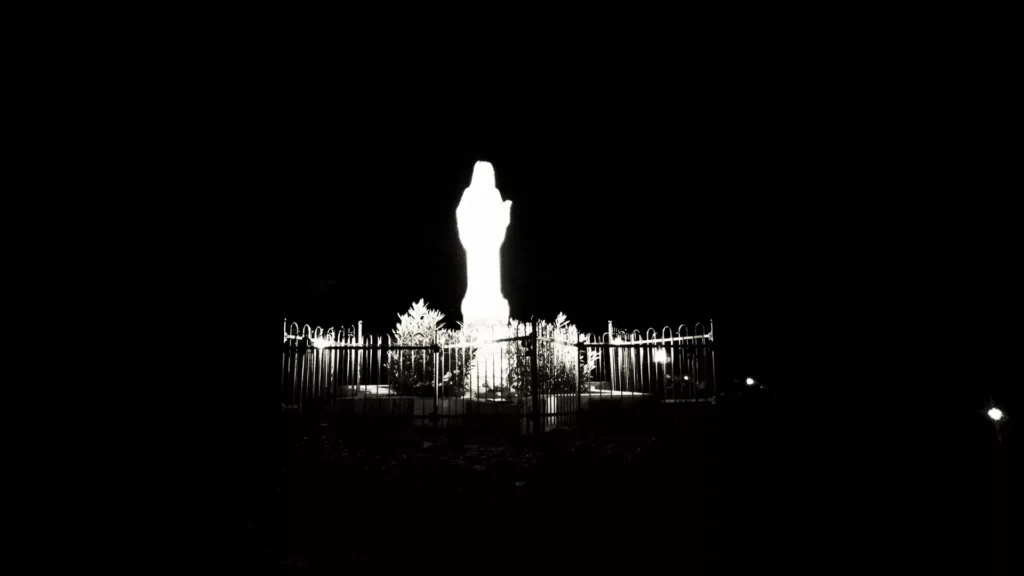
Over two million pilgrims visit this small Bosnian village annually, drawn by alleged Marian apparitions that began in 1981 and reportedly continue today. What distinguishes Medjugorje is the extraordinary number of confessions and reported conversions that take place there. The parish has over 60 confessionals, and queues stretch for hours during busy periods.
In September 2024, the Vatican's Dicastery for the Doctrine of the Faith issued a note granting nihil obstat (no objection) to devotional practices there, acknowledging the "abundant graces" documented at the site. Those considering a visit can find practical guidance on planning a Medjugorje pilgrimage, including information on key sites, timing, and what to expect.
The Difference Between Pilgrimage and Wellness Travel
This is worth dwelling on, because the two can look similar from the outside. Both involve travel for personal benefit. Both promise some form of renewal. But the orientation is fundamentally different.
Wellness travel typically focuses on self-improvement. You arrive with goals: lose weight, reduce stress, learn meditation techniques. Success is measured against those goals. There is nothing wrong with this. Planning your own wellness retreat can be genuinely transformative. But pilgrimage works differently. You arrive open, not knowing quite what you seek. The journey shapes the destination rather than the other way around.
There is also the role of difficulty. Wellness travel minimises friction. Everything is arranged for your comfort. Pilgrimage often embraces discomfort as part of the process. Blisters, exhaustion, uncertainty about where you will sleep. These are not bugs to be eliminated but features that serve a purpose. When things go wrong on pilgrimage, pilgrims often report that those moments became the most significant.
Perhaps most importantly, pilgrimage connects you to something larger than yourself: a tradition, a community of seekers across centuries, a sacred story. Wellness can sometimes reinforce self-focus. Pilgrimage tends to dissolve it.
Considering Your First Spiritual Pilgrimage
If something in this resonates, you might be wondering where to begin. A few thoughts.
First, choose a destination that genuinely calls to you, not one that simply looks impressive on social media. Walking routes like the Camino suit those drawn to physical challenge and solitude punctuated by community. Shrine-based pilgrimages like Lourdes or Medjugorje suit those seeking intensive sacramental experience and prayer. Neither is superior; they serve different needs.
Second, prepare physically but go without too many expectations. Train for walking pilgrimages as you would for any long-distance trek. But resist the urge to plan every spiritual outcome. The pilgrims who seem to benefit most are those who arrive open to whatever arises, rather than those seeking to tick off predetermined experiences.
Third, remember that pilgrimage is not exclusively a religious practice. The Camino welcomes walkers of all faiths and none. Many sites receive seekers from diverse backgrounds. What matters is the orientation: arriving as a seeker rather than a tourist, open to being changed rather than simply entertained.
Frequently Asked Questions
Do you have to be religious to go on a pilgrimage?
No. While pilgrimage has religious roots, many contemporary pilgrims identify as spiritual rather than religious, or describe themselves as seekers without specific beliefs. What matters is approaching the journey with openness rather than as pure tourism.
How long does a pilgrimage take?
This varies enormously. The full Camino Francés takes around 30 to 35 days on foot. Shorter options of five to seven days cover the final 100 kilometres. Shrine-based pilgrimages to places like Fatima or Medjugorje typically last three to seven days. Even a single day spent intentionally at a sacred site can constitute a meaningful pilgrimage.
Are pilgrimages only a Christian practice?
Not at all. The Hajj to Mecca is one of the Five Pillars of Islam. Hindus undertake pilgrimages to sites like Varanasi and the Kumbh Mela gathering. Buddhists visit Bodh Gaya where the Buddha achieved enlightenment. Jews travel to the Western Wall in Jerusalem. The impulse toward sacred journeys appears across virtually every religious tradition, suggesting something deeply human in the practice.
In a world that often feels fragmented and accelerated, pilgrimage offers something countercultural: slowness, difficulty, connection to tradition, and the possibility of encountering something beyond the ordinary. Perhaps that is why, despite every modern convenience that should have made it obsolete, spiritual pilgrimage continues to draw millions of people to travel thousands of miles for an experience they cannot quite explain. Some things resist explanation. They simply ask to be walked.
Filed underMeditation & mindfulness, United States, Retreat

About the author
Rebecca BrownWriter, Translator & Keen Traveller
Rebecca is a writer, translator, keen traveller, and bookworm. Her work has given her the marvellous opportunity to visit dozens of countries around the world. As a freelance writer, she strives to showcase some of these experiences through her writing.