Maintaining brain health as we age is essential for supporting memory, cognitive function, emotional well-being, and overall quality of life. In celebration of World Memory Day (22 July 2025), Efamol—experts in essential fatty acids—has developed a simple daily brain health routine to help you stay sharp and feel your best.
Efamol Nutritionist Emma Bullock-Lynch shares practical tips on how to eat, move, sleep, and live in ways that promote optimal brain health—every day.
1. Feed Your Brain
Essential fats include some Omega-3 fatty acids that the body cannot produce on its own. These fats play a crucial role in maintaining brain structure and function, and they may help support memory, learning, and mood while reducing inflammation associated with cognitive decline. For a brain-friendly diet, try the following:
- Fatty Fish: Think SMASH—salmon, mackerel, anchovies, sardines, and herring. These oily fish are rich in DHA and EPA, the two most important omega-3s for brain health. Aim for two servings per week, as recommended by public health guidelines.
- Plant Sources: Flaxseeds, chia seeds, and walnuts contain ALA, a type of omega-3 that can be partially converted into DHA and EPA. Sprinkle these onto cereals, salads, or yogurts.
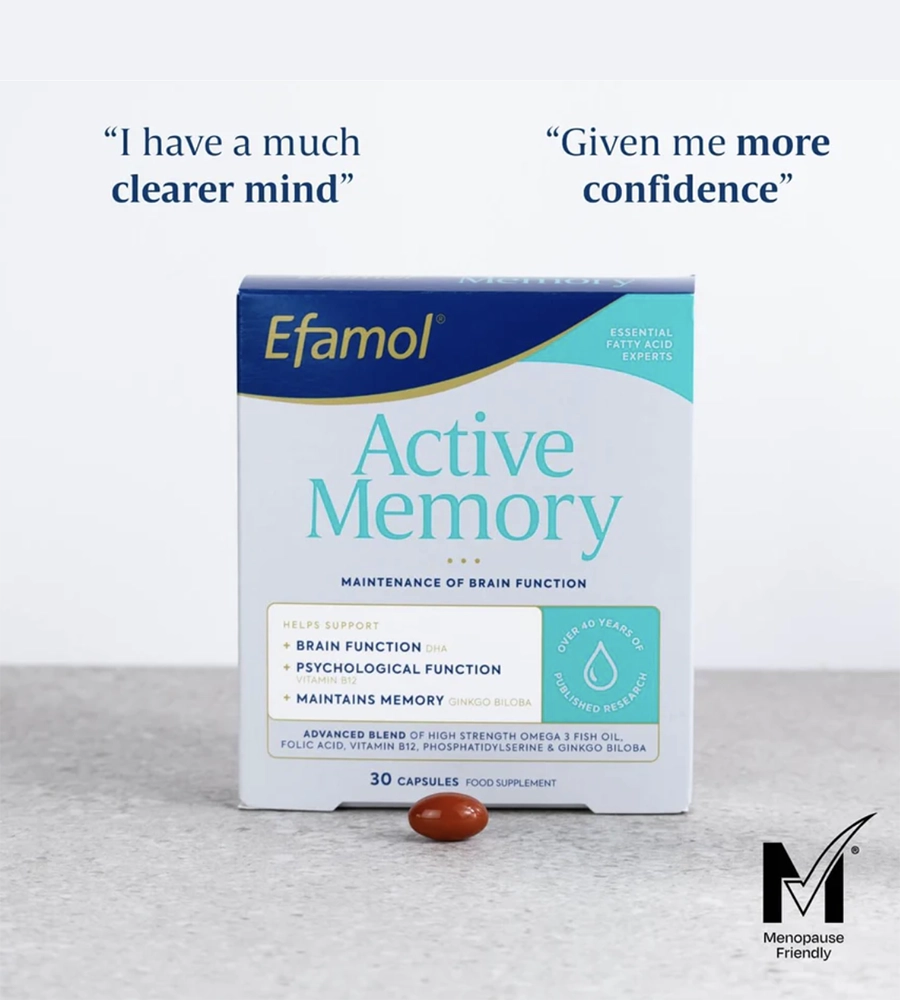
- Supplements: If your diet is low in oily fish, consider supplementing with a high-quality omega-3 product like Efamol Active Memory, which contains DHA—a key nutrient scientifically shown to support brain function and maintain memory.
2. Movement for Your Mind
Regular physical activity enhances blood flow to the brain, supports mood regulation, and reduces the risk of chronic diseases including dementia and heart disease. The NHS recommends at least 150 minutes of moderate-intensity aerobic activity per week.
Exercise doesn’t have to be intense to be effective. Gentle, enjoyable movement is highly beneficial—especially when practiced consistently.
Try these easy, low-impact ways to stay active:
- Walking: A brisk daily walk—whether at lunchtime or after dinner—can boost circulation, lift your mood, and improve cognitive performance.
- Yoga: Gentle yoga supports flexibility and muscle tone, while also helping to manage stress and enhance mental clarity.
- Gardening: Activities like digging, weeding, and planting offer physical exertion and mental relaxation, making gardening a great full-body workout with added mental benefits.
3. Challenge Your Brain
Just as physical exercise keeps the body fit, mental stimulation helps preserve cognitive abilities and may delay age-related decline. Lifelong learning and brain challenges can also boost confidence and improve emotional well-being.
Here’s how to keep your mind engaged:
- Take a Class: Whether it’s art, coding, languages, or photography, learning something new activates multiple brain regions and strengthens neural connections.
- Play with Puzzles: Crosswords, Sudoku, word games, and brain-training apps stimulate memory, focus, and problem-solving skills.
- Learn a Language: Bilingualism has been linked to cognitive resilience in older age. Even brushing up on a second language before a holiday gives your brain a solid workout.
4. Say Goodbye to Stress
Chronic stress can impair memory, reduce mental clarity, and contribute to mental health issues. Learning to manage stress effectively is key to long-term cognitive and emotional well-being.
Incorporate these calming activities into your daily routine:
- Yoga & Breathwork: Gentle yoga and controlled breathing help reduce cortisol levels and promote emotional balance.
- Meditation: Just 10 minutes a day of mindfulness or guided meditation can help calm the nervous system and improve focus.
- Nature Time: Spending time outdoors—whether walking in the park, gardening, or simply sitting in natural light—has been shown to lower stress hormones and lift mood.
- Pursue Hobbies: Activities you enjoy, like painting, knitting, fishing, or journaling, offer a mental escape and promote mindfulness, which reduces stress.
5. Sleep Easy
Good-quality sleep is vital for brain function. During deep sleep, the brain clears waste, consolidates memories, and processes emotions. Poor sleep has been linked to reduced cognitive performance and increased risk of dementia.
All the steps above—eating well, staying active, managing stress, and staying mentally engaged—can help improve sleep quality. In addition, try these tips for better rest:
- Unplug Before Bed: Blue light from screens can interfere with melatonin production. Turn off electronic devices at least an hour before bed.
- Avoid Evening Stimulants: Caffeine and alcohol can both disrupt your natural sleep-wake cycle. Opt for herbal teas or warm milk instead.
- Take a Relaxing Bath: A warm bath with lavender essential oil or magnesium salts can relax muscles and prepare your body for sleep.
- Practise Mindfulness: Reflecting on moments of gratitude or journaling before bed can reduce anxious thoughts and promote a calmer mind.
Start small, stay consistent, and celebrate every step you take toward better brain health—your mind will thank you for it.
Try Efamol’s Active Memory available online at efamol.com, £12.49 (30 capsules).