Key Takeaways
- The American Association of Orthodontists recommends a check-up by age 7.
- Early treatment, often called Phase 1, can prevent more serious issues later.
- Interceptive care guides jaw growth to accommodate permanent teeth.
- Correcting habits like thumb sucking is easier at a younger age.
- Early intervention can boost a child’s self-esteem and confidence.
Many parents assume that orthodontic visits are strictly for teenagers. It is a common belief that you wait until all the baby teeth fall out before seeing a specialist. However, taking a proactive approach can save time, money, and discomfort down the road.
Ideally, children should have their first orthodontic evaluation by the age of 7. By this time, enough permanent teeth have erupted for an orthodontist to spot potential problems. Catching these issues early allows for “interceptive” treatment.
This doesn’t always mean a child will get braces right away. Often, it simply means monitoring growth patterns. But when treatment is necessary, starting young can make a significant difference in the final result.
Why Age 7 Is the Magic Number
Why is age 7 the standard recommendation? At this stage, a child’s mouth is a mix of baby and permanent teeth. This transitional period provides a window into how the adult bite is developing.
An orthodontist can see if the jaw is growing correctly. They can identify crowding, deep bites, open bites, or crossbites. Even if your child’s teeth look straight to you, there may be underlying issues with jaw alignment.
Early screening allows the doctor to create a timeline for treatment. In many cases, no immediate action is needed. The peace of mind from knowing your child is on the right track is invaluable.
Guiding Jaw Growth
One of the biggest advantages of early treatment is the ability to guide jaw growth. A child’s jaw bones are still soft and pliable compared to an adult’s. This makes it easier to expand the palate or correct bite discrepancies.
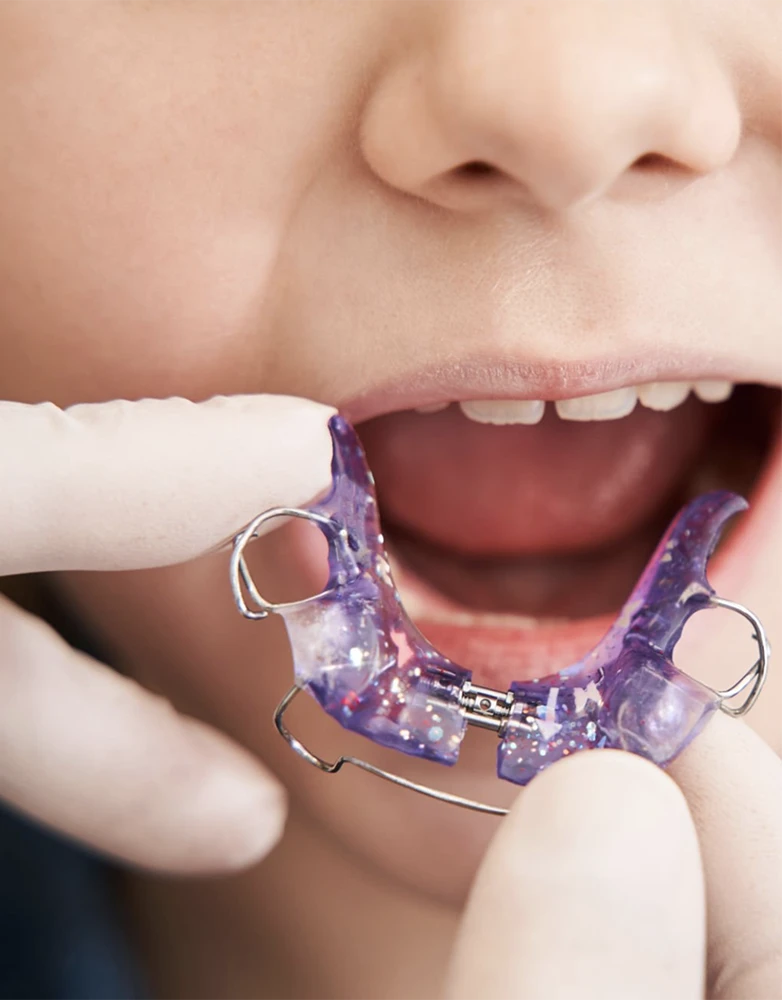
If a child has a narrow upper jaw, for example, a palatal expander can widen it. This creates more room for permanent teeth to come in properly. Without this early intervention, the child might require tooth extractions or even jaw surgery as an adult.
Correcting the jaw structure early creates a solid foundation. It ensures the upper and lower teeth meet correctly. This improves chewing function and speech clarity.
Preventing Trauma to Protruding Teeth
Children are active, prone to falls and accidents on the playground. If a child has severe overjet—where the front top teeth stick out significantly—they are at high risk for dental trauma.
Protruding front teeth are much more likely to be chipped or broken during sports or play. Bringing these teeth back into alignment early protects them. It reduces the risk of emergency dental visits due to accidental fractures.
This aspect of early treatment is often overlooked but is vital for active kids. Protecting the permanent incisors ensures a healthy smile for life.
Correcting Harmful Oral Habits
Thumb sucking and tongue thrusting are common habits in toddlers. However, if these habits persist beyond age 5 or 6, they can damage the shape of the mouth. They can push teeth forward and distort the jaw bone.
It can be difficult for parents to break these habits on their own. An orthodontic specialist can provide appliance therapy to help stop thumb sucking. They can also offer guidance on correcting tongue posture.
Addressing these habits early prevents open bites and speech impediments. It allows the teeth to settle into their natural positions without interference.
Does Early Treatment Mean No Braces Later?
Not necessarily. Early treatment is often referred to as “Phase 1” treatment. The goal is to fix specific structural problems to clear the path for permanent teeth.
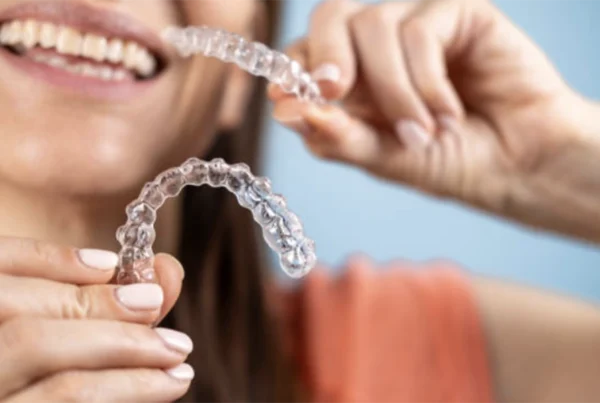
Once all permanent teeth have erupted, most children will still need “Phase 2” treatment. This usually involves traditional braces or clear aligners to fine-tune alignment. However, because of the early work done, Phase 2 is often shorter and less complex.
Think of Phase 1 as laying the foundation for a house. Phase 2 is the finishing work that makes everything look perfect. The combined approach leads to superior long-term stability.
Choosing the Right Provider
Selecting a provider for your child is a big decision. You want someone who is experienced with early developmental phases. It is helpful to find a practice that focuses on patient education and comfort.
Many families find it beneficial to consult with local specialists to understand their specific philosophy. For example, Coastal Orthodontics emphasizes personalized care plans that account for a child’s unique growth patterns. Finding a team you trust makes the entire journey smoother for both parent and child.
Always look for a board-certified orthodontist. This ensures they have completed the necessary additional training beyond dental school.
Boosting Self-Esteem
We cannot ignore the social aspect of a smile. Children can be sensitive about their appearance, and crooked teeth can lead to teasing. Correcting visible issues early can have a profound impact on confidence.
A child who is embarrassed to smile may withdraw socially. Early orthodontic treatment can align teeth enough to improve aesthetics significantly. This boost in self-esteem can positively affect their school and social interactions.
Helping a child feel good about their smile is a worthy investment. It sets a positive tone for their adolescence and beyond.
Frequently Asked Questions (FAQ)
Q: How do I know if my child needs to see an orthodontist?
A: Look for signs like early or late loss of baby teeth, difficulty chewing, or mouth breathing. Thumb sucking and crowded teeth are also indicators. However, a professional evaluation is the only way to be sure.
Q: Will my child have to wear braces twice?
A: It depends on the severity of the issue. Some children only need Phase 1, while others need a second phase later. Your orthodontist will explain the expected treatment plan clearly.
Q: Is early treatment painful for children?
A: Orthodontic technology has improved significantly, making treatments much more comfortable. Most children adapt very quickly to expanders or partial braces. Any mild discomfort usually subsides within a few days.
Q: Can’t we just wait until they are teenagers?
A: While you can wait, some problems become much harder to fix once the jaw stops growing. Waiting can lead to more invasive treatments like extractions or surgery. Early evaluation gives you options.
Q: Do I need a referral from a dentist?
A: In most cases, you do not need a referral to see an orthodontist. You can call a practice directly to schedule a consultation for your child.