
Missing several teeth in one area affects more than appearance. It influences how evenly you bite, how clearly you speak, and how comfortable daily meals feel. Over time, gaps can place extra pressure on remaining teeth and contribute to gradual jawbone changes. Addressing the space early helps protect both function and long-term oral stability.

A dental implant bridge restores missing teeth by anchoring a custom prosthetic to implants placed in the jaw. This approach creates a fixed solution designed to feel secure and natural. Still, eligibility depends on more than simply having a gap.
Read on to learn whether you meet the criteria for a dental implant bridge and what makes someone a strong candidate.
Missing Multiple Adjacent Teeth
This treatment works best when tooth loss occurs in one continuous area. An implant bridge fills the gap while maintaining balance across the surrounding teeth.
Below are three common situations where this option may be recommended:
- Two or more neighboring missing teeth: When several teeth are lost side by side, chewing pressure becomes uneven. An implant-supported dental bridge spans the gap while anchoring to implants placed in the jaw. This design restores stability and distributes bite forces more evenly across the replacement teeth.
- Healthy surrounding teeth: Traditional dental bridges often require reshaping nearby natural teeth to support crowns. Implant-supported bridges avoid this step because the implants provide their own support. Preserving the structure of healthy teeth helps maintain long-term dental stability.
- Preference for a fixed solution instead of removable options: Some people find a partial denture uncomfortable or inconvenient during meals and daily use. An implant-supported bridge stays secured in place and functions similarly to natural teeth, which many patients find easier to manage.
If you have recently lost several teeth in the same area, a professional evaluation can clarify which restoration may work best. Scheduling an appointment at a private dental clinic to discuss dental implants for missing teeth allows a dentist to examine the gap and review your oral condition. This visit also helps determine whether an implant-supported bridge fits your needs and supports a practical treatment approach.
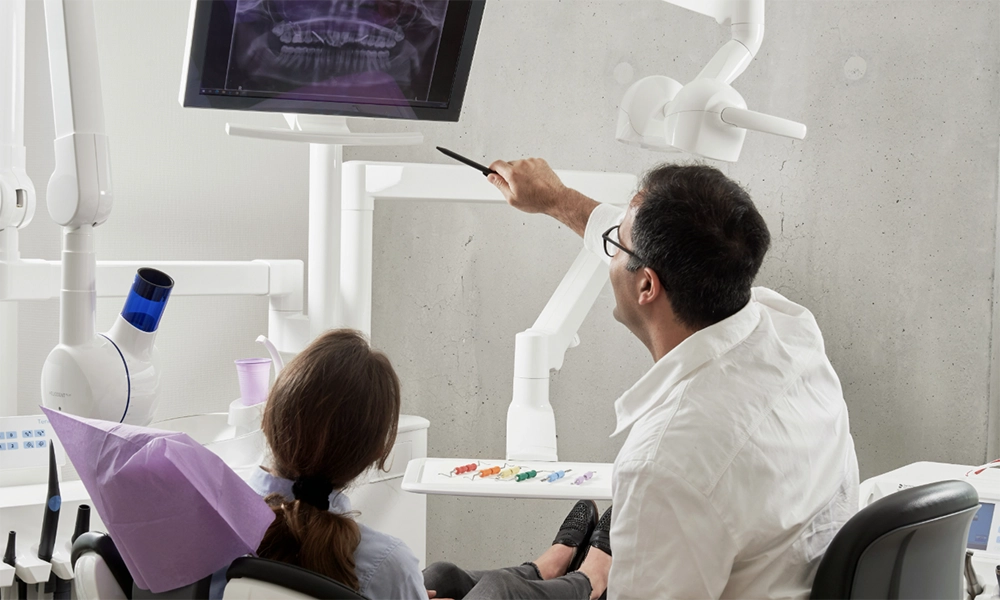
Adequate Jawbone Support
Dental implants depend on a stable jaw structure for long-term support. The bone must be strong enough to hold the implant securely during healing and daily chewing.
The following factors help determine whether the jaw can support an implant bridge:
- Sufficient bone volume: Adequate bone volume ensures there is enough space and structure within the jaw to hold an implant post securely. When the bone is thick and tall enough, the implant can be positioned properly to support a bridge without shifting under chewing pressure.
- Healthy bone density: Strong bone quality helps the implant fuse with the surrounding bone during healing. A durable foundation allows the titanium post to remain stable while supporting the replacement teeth placed above it. Dentists often evaluate density through imaging to confirm that the bone can withstand normal bite forces.
- Limited bone deterioration: Tooth loss can lead to gradual bone shrinkage over time. In cases where the jaw has thinned, bone grafting may help rebuild the area before implant placement. This preparatory step restores support so the implant can anchor securely.
When the jaw provides adequate structure, implants can remain firmly positioned and support a stable dental bridge over time.
Healthy Gum Condition
Gum tissue plays a key role in protecting implants after placement. Healthy gums form a tight seal around the implant area, which helps shield the underlying structure from bacteria. When the gums are stable, they create a supportive environment that contributes to long-term oral health.
However, untreated gum disease can interfere with this stability. Infection in the gum tissue may lead to swelling, bleeding, and gradual breakdown of the structures that support teeth and implants. Addressing these conditions before implant placement helps reduce the risk of complications during healing.
In addition, consistent hygiene habits help maintain healthy gum tissue. Daily brushing and flossing remove plaque that can accumulate around the gum line. These routines support the success of dental treatment involving implants and help keep surrounding tissues in good condition.
Regular professional care also plays an important role. Dental visits allow clinicians to monitor gum health and detect early signs of irritation or infection. Ongoing maintenance helps preserve gum stability and supports the long-term performance of implant restorations.
Stable General Health
A patient’s overall health strongly influences how well dental implants integrate with the jawbone. Chronic conditions like diabetes or immune disorders can affect healing, so managing these issues beforehand is crucial. Ensuring your body can recover efficiently helps reduce complications and supports the long-term success of an implant bridge.
Additionally, lifestyle factors such as smoking or certain medications can impact recovery. Non-smokers or those willing to adjust habits often experience better healing and more reliable outcomes. Considering these elements before treatment helps optimize implant support and the stability of the replacement teeth.
The ability to undergo minor oral surgery is also essential. A thorough medical evaluation allows dentists to tailor the implant systems and procedures used, ensuring the treatment aligns with individual health needs. Proper planning and professional supervision make dental treatment safer and more predictable.
Long-term Functional Goals
Considering an implant bridge involves thinking ahead about how it will serve as a reliable tooth replacement option. Beyond simply filling gaps, a well-designed solution restores chewing efficiency and supports daily oral function. Ensuring the replacement behaves like natural teeth can make a significant difference in overall comfort, confidence, and achieving a perfect smile.
Equally important is the impact on jaw health. A dental restoration with implants encourages the underlying bone to remain active, reducing the risk of bone loss and helping preserve facial structure. This functional benefit ties directly to both aesthetics and long-term oral stability.
Another factor to weigh is durability and lifestyle compatibility. Advanced dental prosthetics, such as a fixed full arch implant bridge, provide lasting support compared to removable alternatives like full and partial dentures. Choosing a solution that matches your daily habits ensures comfort, reliability, and long-term satisfaction.
Final Thoughts
A good candidate for a dental implant bridge typically has multiple missing teeth in one area, strong jawbone support, healthy gums, stable medical health, and clear long-term goals for tooth replacement. A comprehensive dental evaluation confirms whether you qualify and identifies any steps needed before treatment. With proper planning and maintenance, an implant bridge can restore both function and confidence.
- About the Author
- Latest Posts

Our Editorial Team are writers and experts in their field. Their views and opinions may not always be the views of Wellbeing Magazine. If you are under the direction of medical supervision please speak to your doctor or therapist before following the advice and recommendations in these articles.