Choosing where your child spends their early years is one of the most significant decisions a parent faces. This placement is not merely about supervision; it influences identity formation and preparedness for structured education. Studies indicate that these initial environments deeply affect emotional health and mental development across time.
Given the abundance of alternatives, distinguishing adequate settings from outstanding ones can be challenging. The following evidence-informed criteria offer clarity when you are evaluating spaces meant to support genuine flourishing.
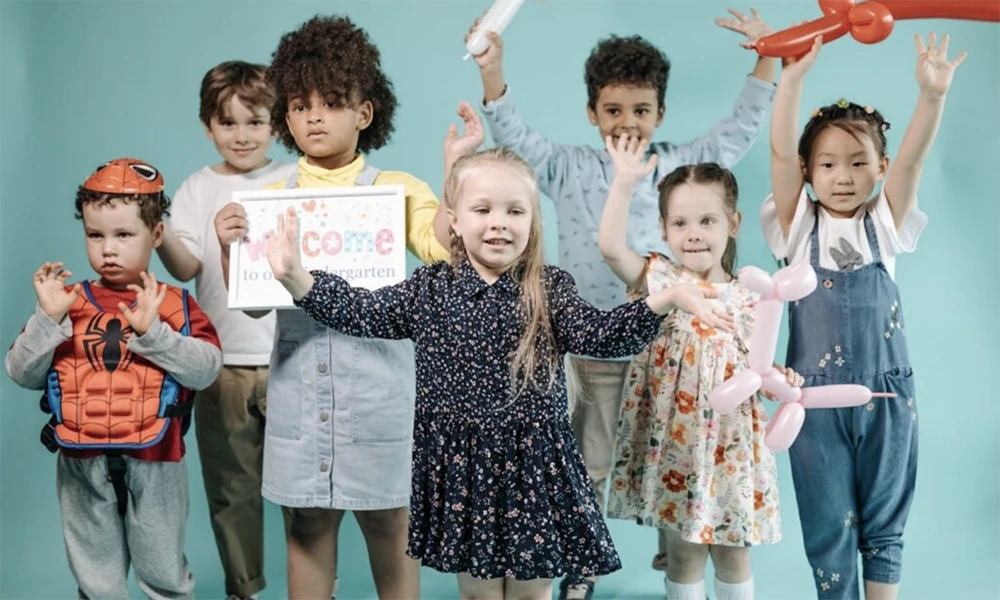
Photo by Pavel Danilyuk from Pexels
Why Choosing the Right Early Learning Centre Matters
Early childhood, especially the initial five years, shapes brain growth in a unique way. At this stage, the brain builds neural pathways faster than at any other point in life, according to research from Harvard’s Center on the Developing Child. This rapid formation lays the groundwork for abilities that appear later.
As a result, learning environments rich in support tend to align closely with strong emotional and social outcomes. Such patterns highlight how experiences early on influence long-term functioning. One should note that differences among centres do exist.
More than mere oversight, strong settings build the mental and emotional foundations essential for self-assured growth. Though basic safety may be met at average facilities, better ones guide a child’s ability toward full expression. Pressure arises easily during this search, yet choosing a place that reflects your shared beliefs helps stability take root. What matters often lies beneath surface features, as consistency shapes how freely a child engages with the world beyond home.
Key Signs of a High-Quality Early Learning Centre
Qualified and Nurturing Educators
What truly shapes a centre lies within the people who work there. Look for staff members whose enthusiasm matches their credentials, especially when it comes to young learners. Ongoing learning opportunities often mark environments committed to growth.
Notice whether adults meet children at eye level during exchanges, as engagement matters more than scripted responses. According to ACECQA, when staff remain in place over time, confidence grows because steady relationships support strong emotional foundations. This sense of calm continuity often shapes how safely children connect with others.
A Play-Based, Structured Learning Approach
It might seem that play merely fills hours, yet its role runs deeper for young learners. Far from simple amusement, such moments serve as complex learning experiences. You will find that thoughtful centres blend adult-supported tasks with free exploration. Because structured guidance meets self-driven discovery, reasoning grows alongside autonomy.
Across Australia, certain programs follow the Early Years Learning Framework (EYLF). Though toddlers stack bricks or smear colours today, these actions lay the groundwork for reading and numbers tomorrow. While the joy remains visible, unseen progress takes shape beneath the surface.
Safe, Stimulating, and Well-Designed Environments
Upon entering, one notices how surroundings act as a silent guide. The setting should be not only tidy and safe, but also full of moments of surprise. There should be spaces set aside for specific needs, such as a calm spot with gentle seating for stories.
Other areas might focus on touch, where grains or liquids fill bins meant for hands-on discovery. Creative spaces also need room to breathe, allowing paint smears and paper piles to grow without restriction. When art is hung low at a child’s eye level, their effort becomes visible and acknowledged. A thoughtful layout keeps chaos distant, ensuring focus comes naturally.
Strong Focus on Outdoor and Nature-Based Play
One should not overlook what open outdoor spaces can offer. Top facilities place value on activities among trees and plants since they support bodily movement and balanced moods.
According to the American Academy of Pediatrics, time spent playing outside helps small children pay attention better while feeling less pressure. A garden bed, an area for messy exploration, or wide lawns each invite children to test their limits carefully. This helps them form a natural curiosity toward the living things around them.
Clear Communication with Families
Trust grows when families see what happens each day. Frequent messages about small moments matter just as much as big milestones. Access to insights, whether written or spoken, helps parents stay connected without having to guess.
One centre might share notes through photos sent mid-morning, while another relies on quiet conversations during pick-up. What counts is knowing the environment welcomes your questions at any time. Relationships strengthen where information flows both ways naturally and staff speak plainly about growth and play.
Proven School Readiness Support
Beginning well at school does not depend on memorising letters. Instead, it depends on how smoothly a young learner moves into group life. Strong settings shape interaction habits, inner assurance, and self-care steps.
Consider whether a child can manage their snack container alone or if they feel comfortable speaking up when something is difficult. Success in moving to primary school comes through these clear steps. When teachers look at every part of a child’s growth, readiness follows. On that first morning of big school, confidence usually replaces fear.
Questions to Ask When Visiting a Centre
Should you visit a potential centre, feel free to explore beyond the surface details. Questions often arise naturally during these tours, and most leaders anticipate them. You might begin by asking about staffing levels relative to children to see if they align with national benchmarks.
How do the educators respond when a child struggles emotionally during the day? What shape does a typical schedule take? Flexibility often matters more than fixed timing. You should also ask how communication with families happens on a regular basis and what specific philosophy guides their approach to school readiness. Insight into these points reveals the true culture of the environment.
Finding the Right Fit for Your Child
Each child stands apart as a unique individual. A method effective for one family may fall short for another. Though numbers and systems hold weight, your own instincts deserve space too.
Is there a sense of quiet when you are present? Are the children paying attention and engaged? For families with tight schedules, being close to home matters greatly because ties to the neighbourhood ease everyday tasks.
While looking into possibilities, visiting a trusted Altona Meadows kindergarten can help you see how these quality indicators come to life in a real learning environment. Take the time to walk through several spots to sense the mood each one holds.
Quality Early Learning Sets the Foundation for Life
Spending the effort to locate a strong early learning setting is one of the most meaningful ways to support a young learner. Findings from the OECD show that thoughtful early education connects closely to stronger achievements later in life.
Although navigating the various options may seem complex, remember that no one understands your child more deeply than you do. With well-chosen inquiries and a grounded sense of what effective teaching looks like, clarity becomes possible. Within these possibilities lies a space built on care where development unfolds naturally.
- About the Author
- Latest Posts

Our Editorial Team are writers and experts in their field. Their views and opinions may not always be the views of Wellbeing Magazine. If you are under the direction of medical supervision please speak to your doctor or therapist before following the advice and recommendations in these articles.