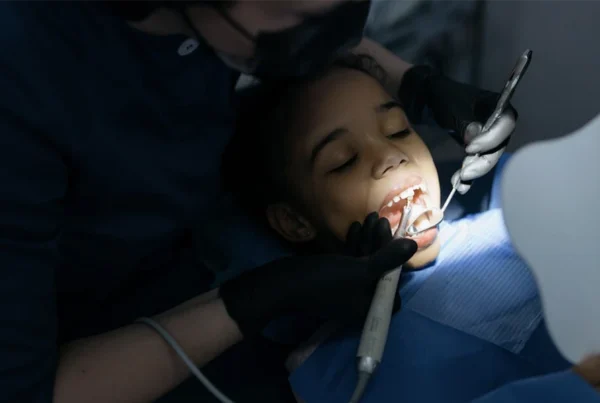
When your child complains about tooth pain during a hectic Tuesday morning, you might be tempted to schedule that dental appointment “next week” when things settle down. But here’s what many busy families don’t realize: delaying that dental filling could transform a simple 30-minute procedure into something far more complex and expensive. According to the American Dental Association, untreated cavities affect nearly 57% of adolescents aged 12-19, and delayed treatment increases the likelihood of needing root canals or crowns by 40%.

The pandemic shifted how families prioritize healthcare, with routine dental care often taking a backseat to immediate concerns. Yet dental problems don’t pause for busy schedules—they escalate. A small cavity that could be addressed with a straightforward filling treatment in Colonia today might require extensive intervention if left untreated, affecting not just your family’s oral health but your time, budget, and overall well-being.
For families juggling work, school, and countless activities, understanding the true benefits of timely dental fillings isn’t just about oral health—it’s about making smart decisions that protect your family’s future. Here’s what the latest research reveals about why acting quickly on dental issues actually saves busy families both time and money in the long run.
What Are Dental Fillings and Why Timing Matters
Definition and Purpose of Dental Fillings
Dental fillings represent one of modern dentistry’s most effective interventions for preserving natural tooth structure. When bacterial acid creates cavities in tooth enamel, fillings serve as protective barriers that halt decay progression while restoring the tooth’s original function. Think of them as precision repairs that eliminate damaged tissue and seal the tooth against further bacterial invasion.
The process involves removing decayed tooth material and replacing it with biocompatible materials designed to withstand years of chewing forces. Unlike more extensive procedures, fillings preserve the majority of your natural tooth structure while addressing the problem at its source. For busy families, this means minimal disruption to schedules while maximizing long-term oral health outcomes.
How Early Detection Influences Treatment Success
Early detection dramatically changes the scope and success rate of dental treatments. Research published in the *Journal of the American Dental Association* shows that cavities treated within six months of detection have a 95% success rate with simple fillings, compared to 60% success rates when treatment is delayed beyond 18 months.
When dentists identify cavities in their initial stages, they’re typically confined to the enamel layer—the tooth’s protective outer shell. At this stage, a standard filling can completely resolve the issue in a single visit. However, once decay penetrates deeper into the dentin layer or reaches the tooth’s nerve center, treatment complexity increases exponentially. What could have been a straightforward filling might require multiple appointments, temporary crowns, or even root canal therapy.
Impact of Delayed Treatment on Oral Health
The consequences of delayed dental treatment extend far beyond the affected tooth. Untreated cavities create ongoing bacterial infections that can spread to adjacent teeth, gums, and even enter the bloodstream. The Academy of General Dentistry reports that delays in cavity treatment increase the risk of gum disease by 35% and can lead to tooth loss in severe cases.
For families, delayed treatment often means escalating pain that disrupts sleep, eating, and daily activities. Children with untreated cavities miss an average of 3.5 more school days annually than those who receive timely dental care. Adults experience similar productivity impacts, with dental pain contributing to workplace absences and decreased focus. The ripple effects of postponed dental care touch every aspect of family life.
How Dental Fillings Prevent Tooth Decay Progression
Biological Process of Tooth Decay
Understanding how tooth decay develops helps explain why timely intervention proves so crucial. Decay begins when bacteria in dental plaque produce acids that weaken tooth enamel. These acids create microscopic holes that gradually expand, allowing bacteria to penetrate deeper into tooth structure.
The process follows a predictable pattern: initial demineralization of enamel, cavity formation, progression through dentin, and potential infection of the tooth’s pulp chamber. Each stage represents a point of no return—once bacteria establish themselves in deeper tooth layers, they continue producing acid and expanding the infection regardless of improved oral hygiene. This biological reality makes early treatment not just preferable, but essential for preserving natural tooth structure.
How Fillings Interrupt Decay and Preserve Tooth Structure
Dental fillings work by physically removing all infected tooth material and creating an impermeable seal against bacterial invasion. Modern filling materials chemically bond with tooth structure, creating a restoration that’s often stronger than the original enamel. The filling essentially creates a new, bacteria-resistant surface that stops decay progression immediately.
The preservation aspect cannot be overstated. When dentists remove only the decayed portion of a tooth and fill the resulting space, they maintain the tooth’s structural integrity and nerve vitality. This approach preserves natural chewing patterns, maintains proper tooth spacing, and eliminates the need for more complex prosthetic solutions. Studies show that teeth restored with timely fillings retain 85% of their original strength, compared to just 40% strength in teeth requiring crowns after delayed treatment.
Role of Fillings in Pain Relief and Function Restoration
Beyond stopping decay, fillings provide immediate pain relief by eliminating the source of dental discomfort. Cavities cause pain because bacteria and food particles irritate exposed nerve endings within the tooth. Once the decay is removed and sealed, pain typically resolves within 24-48 hours.
Function restoration is equally important for busy families. Untreated cavities force people to chew on one side of their mouth, leading to jaw strain, digestive issues from inadequate food breakdown, and potential problems with remaining teeth from overuse. Fillings restore normal chewing patterns, allowing families to maintain proper nutrition and avoid the compensatory habits that can create additional dental problems.
Types and Materials of Dental Fillings
Composite Versus Amalgam Fillings
Composite fillings have become the preferred choice for most dental restorations due to their natural appearance and conservative approach to tooth preparation. Made from tooth-colored resin materials, composite fillings bond directly to tooth structure, requiring minimal removal of healthy enamel. They’re particularly beneficial for visible teeth and smaller cavities where aesthetics matter to patients.
Amalgam fillings, while less common today, still offer advantages in specific situations. These silver-colored restorations provide exceptional durability and cost-effectiveness for large cavities in back teeth where chewing forces are greatest. Amalgam has a proven track record spanning over 150 years, with properly placed amalgam fillings lasting an average of 12-15 years compared to 7-10 years for composite restorations in high-stress areas.
Biocompatible and Modern Filling Materials
The evolution of biocompatible materials has revolutionized dental fillings, offering options that work harmoniously with natural oral chemistry. Glass ionomer fillings release fluoride over time, providing ongoing protection against future decay—particularly valuable for children and adults prone to cavities. These materials also expand and contract at rates similar to natural teeth, reducing stress fractures.
Ceramic and gold inlay fillings represent premium options for complex restorations. While more expensive initially, these materials can last 20-30 years with proper care, making them cost-effective for long-term oral health. Advanced ceramics now match natural tooth color so precisely that even dental professionals struggle to identify them visually.
Durability and Longevity Among Filling Types
Filling longevity varies significantly based on material choice, placement location, and patient habits. Research from the American Academy of Restorative Dentistry shows that composite fillings in low-stress areas (front teeth) last 10-12 years on average, while those in molars typically require replacement after 7-8 years due to chewing forces.
Material selection should align with family lifestyle and priorities. Families with children involved in contact sports might benefit from more durable materials in back teeth, while those prioritizing aesthetics might choose composite throughout the mouth despite more frequent replacement needs. The key is understanding that any filling material significantly outperforms untreated decay in terms of longevity and function.
Dental Fillings Compared to Other Cavity Treatments
Fillings Versus Crowns and Root Canals
When cavities are caught early, dental fillings offer a minimally invasive solution that preserves maximum tooth structure. However, delayed treatment often necessitates more extensive procedures. Crowns become necessary when decay has compromised more than 50% of the tooth’s structure, requiring complete coverage of the remaining tooth with a prosthetic cap.
Root canal therapy becomes unavoidable when bacteria reach the tooth’s nerve chamber, causing infection or irreversible damage. This procedure requires removing the entire nerve system, cleaning the internal chambers, and sealing them—typically followed by crown placement. While successful, root canals transform a living tooth into a more brittle structure requiring permanent protection.
The progression from filling to crown to root canal represents increasing complexity, cost, and time investment. A filling might cost $150-300 and take 30 minutes, while a crown costs $800-1,500 and requires multiple appointments. Root canal therapy adds another $800-1,200 to the total treatment cost, not including the necessary crown.
Direct Versus Indirect Restorations
Direct restorations (traditional fillings) are completed entirely in the dental chair during a single visit. The dentist removes decay, applies the filling material, and shapes it to restore proper tooth form. This approach minimizes time away from work or school and provides immediate problem resolution.
Indirect restorations (inlays, onlays, crowns) require laboratory fabrication based on impressions or digital scans of the prepared tooth. While these restorations offer superior strength and longevity for extensive damage, they typically require two appointments and temporary restorations between visits. For busy families, the convenience factor of direct fillings often outweighs the longevity advantages of indirect options when treating small to moderate cavities.
Cost-Effectiveness and Treatment Outcomes
From a cost-effectiveness perspective, timely fillings represent exceptional value in dental care. The total lifetime cost of maintaining a tooth with early filling intervention averages $400-800, while delayed treatment leading to crown and root canal therapy can exceed $3,000 per tooth.
Insurance coverage also favors preventive approaches. Most dental plans cover 80-100% of filling costs compared to 50-80% coverage for major procedures like crowns and root canals. This coverage difference can make delayed treatment particularly expensive for families without dental savings accounts. The American Dental Association estimates that every dollar spent on preventive dental care saves $8-50 in future treatment costs, with fillings representing one of the most cost-effective interventions in all of healthcare.
Research and Advances in Dental Filling Technology
Recent Studies on Filling Success Rates
Current research reveals impressive success rates for modern filling materials when placed promptly. A 2023 longitudinal study published in *Dental Materials* followed 2,400 patients over 15 years, finding that composite fillings placed within six months of cavity detection had a 94% survival rate at 10 years. More importantly, teeth receiving timely fillings required no additional treatment in 89% of cases, compared to just 52% of teeth where treatment was delayed beyond one year.
The study also highlighted the relationship between filling timing and patient satisfaction. Patients receiving prompt treatment reported significantly higher comfort levels and confidence in their dental health compared to those who experienced treatment delays. These findings reinforce the clinical observation that early intervention produces superior outcomes across multiple measures.
Innovations in Restorative Materials
Technological advances in dental materials continue to improve filling performance and longevity. Bioactive glass fillings, introduced in 2022, actually strengthen surrounding tooth structure over time by releasing calcium and phosphate ions that promote remineralization. Early clinical trials show these materials may extend filling lifespan by 30-40% while providing ongoing protection against future decay.
Nanotechnology has enabled the development of filling materials with unprecedented strength and aesthetic properties. These advanced composites incorporate nanoparticles that provide superior wear resistance while maintaining the optical properties that make fillings virtually invisible. Smart materials that change color to indicate potential problems are in development, potentially allowing earlier detection of filling failure or secondary decay.
Future Developments in Dental Fillings
The future of dental fillings points toward even more conservative, longer-lasting solutions. Researchers are developing self-healing materials that can repair minor damage automatically, potentially extending filling life indefinitely. Antimicrobial fillings that actively fight bacteria could eliminate secondary decay around restorations, addressing one of the primary causes of filling failure.
3D printing technology is beginning to influence filling placement, with some dental offices now able to design and fabricate custom restorations in-house within hours rather than weeks. This technology promises to combine the convenience of direct fillings with the precision and durability of laboratory-fabricated restorations, offering families the best of both approaches.
Common Misconceptions About Dental Fillings
Myths About Safety and Pain
One persistent misconception suggests that dental filling procedures are inherently painful or risky. Modern local anesthetics make filling placement virtually painless, with most patients experiencing only minor pressure sensations during the procedure. Advanced techniques like laser preparation can eliminate drilling entirely for small cavities, further reducing discomfort.
Safety concerns often center around amalgam fillings and mercury content. However, the American Dental Association, World Health Organization, and FDA all confirm that amalgam fillings pose no health risks to patients. The form of mercury used in dental amalgam becomes chemically stable when combined with other metals, creating an inert compound that doesn’t release harmful vapors during normal use.
Concerns Regarding Filling Materials
Another common worry involves filling durability and the need for frequent replacements. While it’s true that fillings don’t last forever, modern materials provide excellent longevity when placed properly and maintained with good oral hygiene. The perception that fillings fail quickly often stems from experiences with older materials or fillings placed to treat extensive decay that might have been better addressed with crowns.
Material selection concerns also arise from conflicting information about “best” filling types. The reality is that different materials excel in different situations. Rather than one superior option, successful outcomes depend on matching material properties to specific clinical needs, patient preferences, and economic considerations.
Clarifying the Role of Preventive Dentistry
Some families believe that excellent oral hygiene eliminates the need for professional dental care, including filling treatments. While prevention is crucial, certain factors—genetics, medication effects, dietary habits, and bacterial composition—can lead to cavities despite diligent home care. Regular professional cleanings and examinations remain essential for early problem detection and intervention.
The misconception that “drilling makes teeth weaker” also persists despite evidence to the contrary. Properly placed fillings restore tooth strength to near-original levels, while untreated decay continues weakening tooth structure indefinitely. The temporary weakening during treatment quickly resolves as the filling material bonds with remaining healthy tooth structure.
Preventive Strategies and Maintaining Timely Dental Care
Importance of Regular Dental Check-Ups
Regular dental examinations serve as the foundation for timely intervention strategies. Professional cleanings remove bacterial plaque and tartar that daily brushing and flossing can’t eliminate, while comprehensive examinations detect problems in their earliest, most treatable stages. The American Dental Association recommends examinations every six months for most patients, with higher-risk individuals benefiting from quarterly visits.
During these visits, dentists use advanced diagnostic tools like digital X-rays and intraoral cameras to identify cavities before they become symptomatic. Early detection allows for minimally invasive treatments that preserve maximum tooth structure while addressing problems before they affect daily life. For busy families, this proactive approach prevents dental emergencies that disrupt schedules and create stress.
Oral Hygiene Best Practices After Fillings
Maintaining oral hygiene after filling placement requires some modification of routine care practices, particularly in the first 24-48 hours. New fillings need time to fully harden and bond with tooth structure, so patients should avoid extremely hot or cold foods and chew on the opposite side when possible. After this initial period, normal eating and cleaning can resume.
Long-term care focuses on preventing decay around filling margins—the junction between restoration and natural tooth. This area requires particular attention during brushing and flossing, as bacterial plaque tends to accumulate where different materials meet. Fluoride toothpaste and antimicrobial mouth rinses provide additional protection against secondary decay formation.
How Diet and Education Support Filling Longevity
Dietary choices significantly influence filling longevity and overall oral health outcomes. Frequent consumption of acidic beverages (sodas, sports drinks, fruit juices) can weaken both natural enamel and filling materials over time. Limiting these exposures and rinsing with water afterward helps maintain the chemical balance necessary for long-term restoration success.
Education about proper oral hygiene techniques proves equally important. Many patients never learn effective brushing and flossing methods, leading to plaque accumulation and subsequent problems. Professional instruction during dental visits ensures families understand how to protect their investment in dental care while maintaining optimal oral health between appointments.
Recommendations From Dental Professionals
Dental professionals consistently emphasize the importance of addressing problems promptly rather than waiting for symptoms to develop. Pain typically indicates advanced decay that requires more complex treatment, making it a poor indicator for treatment timing. Professional evaluation provides objective assessment of treatment needs based on clinical findings rather than subjective symptoms.
The most successful families establish dental care as a routine health priority rather than crisis management. This approach involves scheduling regular examinations regardless of symptoms, addressing problems promptly when identified, and maintaining daily oral hygiene practices that support long-term dental health. The investment in preventive care and timely treatment pays dividends in reduced emergency visits, lower treatment costs, and better overall health outcomes for the entire family.
—
As dental technology continues advancing and our understanding of oral health’s connection to overall wellness deepens, the value of timely dental intervention becomes increasingly clear. The families who prioritize prompt dental care aren’t just avoiding future problems—they’re investing in sustained health, comfort, and peace of mind. The evidence overwhelmingly supports a simple truth: when it comes to dental health, acting early isn’t just better—it’s essential for long-term success.
- About the Author
- Latest Posts

Our Editorial Team are writers and experts in their field. Their views and opinions may not always be the views of Wellbeing Magazine. If you are under the direction of medical supervision please speak to your doctor or therapist before following the advice and recommendations in these articles.