The Greatest Gift This Season - Permission to R.E.S.T.
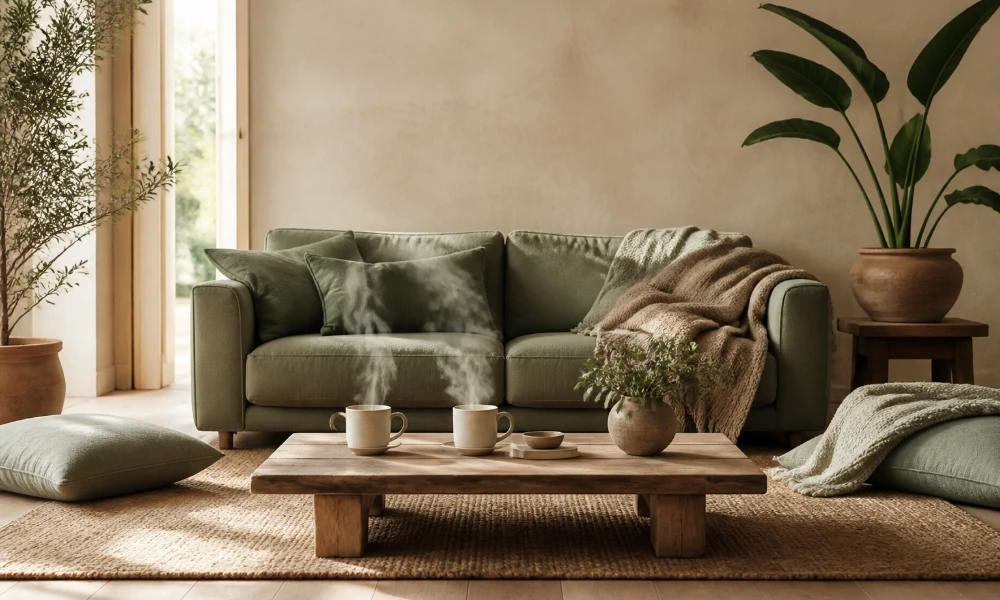
Rest, I have discovered, is far more nuanced than we’ve been led to believe. We often think about physical and mental rest, but other types rarely make the headlines, yet they can act as a gentle reset.

"Rest is not retreat. It's your permission slip to pause, breathe and transform." Mathilde Barbier
As I sit to write this article, I can’t quite believe the year is drawing to a close already. It feels like autumn has just started. Yet, there is a flurry of activity swirling all around, stepping from one seasonal celebration to another at work, at school, everywhere, gift-hunters, lights, decorations, rush, noises, queues. Calendars fill up, to-do lists expand, pace quickens, a palpable tension can be felt in the air, and yet somewhere beneath all this, if we pay careful attention, our bodies whisper a different story.
Slow down - Turn inward – Rest.
Rest?
Isn’t it something that we’ve been taught we earn after we’ve done everything else? (Which, frankly, never happens, as there is always something to do!)
Isn’t that about taking a nap or lying down? (Something we can only justify when we are ill, otherwise guilt creeps in at the mere thought of it).
What about R.I.P., rest in peace? Do we really have to wait until we are no longer alive to earn some well-deserved guilt-free stillness?
Rest, I have discovered, is far more nuanced than we’ve been led to believe. We often think about physical and mental rest, but other types rarely make the headlines, yet they can act as a gentle reset.
- Emotional rest: Taking a break from managing everyone else's feelings, or even our own. Permission to simply feel without immediate fixing.
- Social rest: Not necessarily hiding from everyone, but choosing company that nourishes rather than depletes. Saying a gentle "no" for self-preservation.
- Sensory rest: Our world is overstimulating. Bright lights, pinging, buzzing, notifications, endless scrolling. Have you ever tried putting your phone down, scrolling the palm of your hand instead of your device? Let your nervous system remember what gentleness feels like.
- Creative rest: Finding beauty in simple things. A winter sunset. The sound of rain. Frost patterns on the window. The glow of a candle. These tiny pauses refill us.
What kind of rest is calling you?
As December unfolds, I invite you to give yourself the greatest gift of all: permission to pause and explore the different facets of rest because self-care is not selfish! So dare to be the change you want to see in your organisation, family, community and life!
COMING SOON – Gentle January 2026 (special guided edition)
7 Days of Gentleness: Starts 7th January 2026
A soft beginning. A steady start. A kinder way into the new year.
Gentle January is an invitation to step into the new year with softness and presence, creating space for what matters, without overwhelm. Next year, you don’t have to do it alone, and you are invited into a guided circle of companionship, calm and gentle accountability.
This unique 7-day online course explores seven facets of gentleness and how they show up in life.
Click here to register your interest 👉 Gentle January 2026
Get in touch: mathilde@daretobethechange.today - 07947 319 362
Mathilde Barbier
Filed underRetreat, Connection, Calm