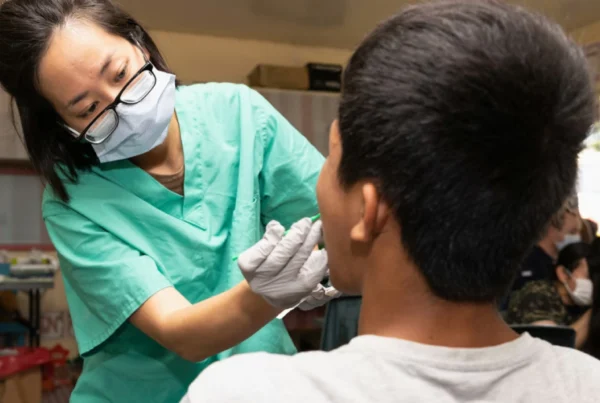
When people think about wellness, they often focus on nutrition, movement, stress reduction, and sleep. Dental care is rarely part of that conversation. Yet the condition of the teeth directly affects how the jaw functions, how inflammation is managed, and how comfortably a person can eat and speak.
Across communities in Northern California, including San Ramon and the greater East Bay, more patients are beginning to understand that repairing a damaged tooth is not just cosmetic. A cracked or severely decayed tooth disrupts bite balance, allows bacteria to penetrate deeper tissue, and creates ongoing strain within the mouth. Addressing that damage promptly protects both structural stability and overall health.
The Mouth as Part of the Whole Body
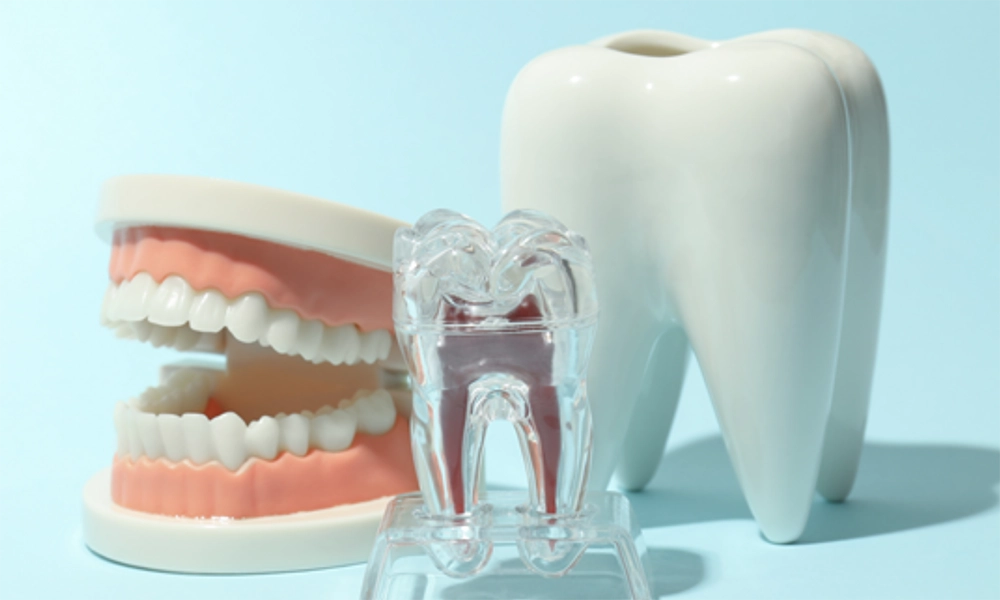
The mouth is connected to the rest of the body through blood flow and shared inflammatory pathways. When a tooth is cracked or severely decayed, bacteria can enter deeper layers of tissue and contribute to localized inflammation. Left untreated, that inflammation does not remain isolated.
Restorative dentistry removes infection and reinforces weakened areas before further damage occurs. Stabilizing a compromised tooth reduces bacterial exposure and protects surrounding structures.
Why Structural Integrity Matters
Every tooth plays a role in maintaining a balanced bite. When one tooth becomes weakened or damaged, pressure is redistributed to surrounding teeth. Over time, that uneven force can accelerate enamel wear, strain supporting ligaments, and contribute to jaw discomfort.
When chewing becomes uncomfortable, people naturally shift pressure to the opposite side of the mouth. That shift may provide temporary relief, but it increases stress elsewhere in the bite. Persistent imbalance can affect not only individual teeth but the muscles responsible for chewing.
Restoring a damaged tooth reestablishes structural stability. When force is distributed evenly again, the bite functions more efficiently and surrounding teeth and muscles are no longer compensating for a weak point.
The Role of Dental Crowns in Long-Term Stability
Dental crowns are used when a tooth is too compromised to be supported by a simple filling. Instead of removing the tooth, a crown covers and reinforces the remaining structure, restoring strength and function.
Traditionally, this process required multiple appointments and a temporary crown. During that time, the tooth remained partially vulnerable. With digital imaging and in-office milling technology, same-day crowns can now be designed and placed in a single visit, reducing the time it remains exposed to pressure or bacterial infiltration.
In areas such as San Ramon, where digital restorative systems are widely available, patients exploring local same-day dental crown treatments can restore structural integrity immediately rather than waiting weeks between appointments. Regardless of location, the ability to stabilize a tooth quickly reduces continued pressure, exposure, and inflammation.
Reducing Stress on the Body
A damaged tooth is not only physically stressful. It often creates ongoing discomfort, heightened sensitivity, or anxiety about chewing certain foods. Chronic dental discomfort contributes to overall stress levels, which can influence sleep quality and immune function.
When a damaged tooth is restored properly, discomfort decreases and daily function improves. Chewing becomes more comfortable, speech feels natural, and the distraction of ongoing pain is removed.
Wellness is not only about adding healthy habits. It is also about correcting structural problems that create ongoing strain.
Prevention as a Wellness Strategy
Preventive dentistry focuses on identifying weaknesses before they become emergencies. Small cracks, worn enamel, and early decay can often be addressed before they require extensive intervention.
When damage has already occurred, timely restoration prevents it from becoming worse. A tooth that is repaired quickly is less likely to require more complex procedures later. This aligns with broader wellness principles of early intervention rather than reactive care.
Individuals searching for same-day crown options nearby are seeking immediate relief. From a wellness perspective, the benefit extends beyond convenience. Swift restoration supports structural balance, reduces inflammation risk, and preserves natural tooth function, whether that care is delivered in San Ramon, elsewhere in California, or in any community prioritizing modern restorative dentistry.
Integrating Dental Care Into Holistic Health
Holistic wellness does not treat dental health as separate from the rest of the body. The condition of the teeth and gums influences how the jaw functions, how evenly muscles are engaged, and how inflammation is managed locally and systemically.
When restorative treatment is needed, it should be understood as more than repair work. Preserving natural tooth structure, stabilizing the bite, and addressing infection help maintain structural balance and reduce ongoing stress within the oral system.
A same-day crown is not simply about convenience. It reinforces a weakened tooth quickly, restores functional stability, and helps prevent further strain on surrounding teeth and tissues.
A Balanced Approach to Restoration
Wellness-focused care includes addressing dental damage before it escalates. A stable bite reduces unnecessary strain. Removing infection lowers inflammatory burden. Preserving natural teeth maintains long-term function.
For patients considering same-day crown care nearby, understanding the structural and health benefits of prompt restoration makes the decision about more than convenience. It becomes part of maintaining strength, balance, and long-term wellbeing.