A lot of people have pretty simple ideas about restaurant chairs. They look at the color, the form, or whether the seat appears soft enough for a forty-minute lunch. People often forget about the stronger effects that a chair can have on the body. A seat does more than just fill a dining room. It affects how a person sits, how long they feel comfortable, and even how they recall the event after they leave.
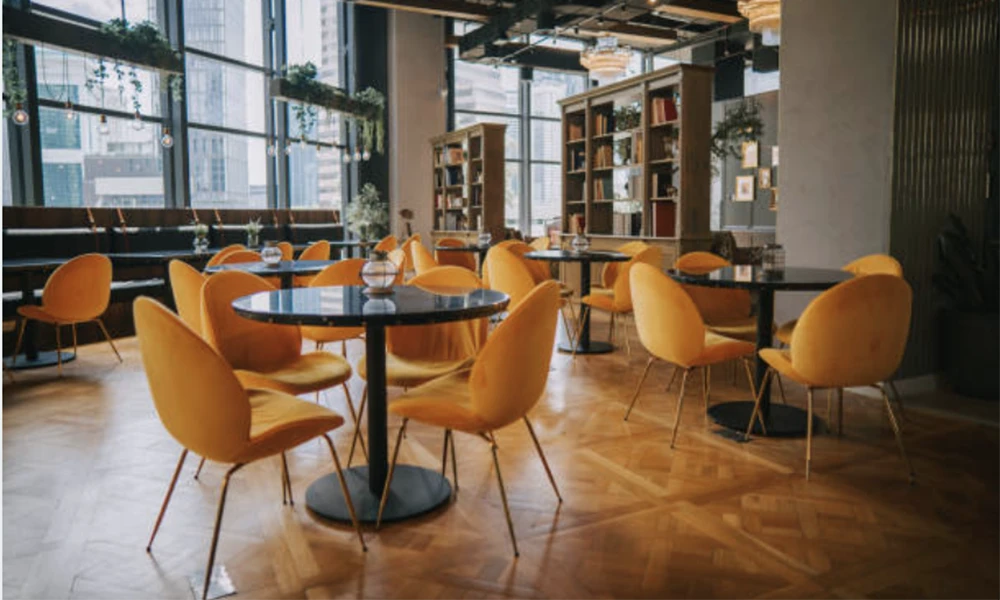
That is more important than ever in a very large food service sector. By 2026, the U.S. restaurant business is expected to make around $1.55 trillion in sales. This means that even tiny design choices are affecting millions of customers every day.
Comfort Begins Before the Food Arrives
The instant a customer sits down in a restaurant chair, it starts to shape their experience. The body has already decided on the seat before the appetizer arrives. Is the back strong enough? Are the feet firmly planted? Does the edge of the seat rub against your legs? Many operators don’t realize how much those early indications affect attitude, patience, and relaxation.
Some of the same ergonomic rules that make workstations healthier also apply to good seating design. A good chair should help maintain the spine’s natural curves, allow the feet to rest flat on the floor, and keep the thighs about parallel to the floor. A backrest angle of 90 to 105 degrees and enough space behind the knees can help you sit up straight.
No one expects lab-level ergonomics in a restaurant. The body still responds to the same basic things. If a chair is excessively high, too deep, too upright, or too firm at the front edge, it might cause discomfort over time. Guests may not be able to explain it in technical terms, but they feel it right away.
What Poor Seating Really Does to the Body
Posture isn’t simply about how you look. It changes how pressure is distributed, how tense the muscles are, how easy it is to breathe, and how much work the body has to do to stay stable. A chair that isn’t well-made can make you slump, put your head forward, round your shoulders, or put uneven pressure on your hips. That can make a nice supper into a restless one over the course of the meal.
This is important because musculoskeletal issues are already common. About 1.7 billion individuals around the world have musculoskeletal problems, and low back pain is still the most common cause of disability in many nations. That is to say, many people who eat at restaurants already have pain in their back, hips, knees, or neck.
A chair doesn’t have to be “bad” for your health to cause an issue. Sometimes it just has to disregard how different people’s bodies are. People can get tense if the seats are too small. If your seat doesn’t have enough back support, your lower back will have to work harder. If a chair’s arm height is wrong, it might raise the shoulders and stiffen the neck.
The problem that isn’t obvious is the cumulative effect. You might forget about one bad dinner. Repeated discomfort, especially in places people visit often, becomes part of the brand memory.
The Psychology of Comfort Is Stronger Than Many Brands Realize
Physical comfort and emotional comfort are closely linked. When the body feels supported, people tend to settle in faster. Conversation becomes easier. Meals feel less rushed. Time starts to work in the restaurant’s favor.
On the other hand, discomfort changes behavior. Guests shift in their seats more often. They lean on the table for support. They shorten their stay. They may not leave a review saying, “the lumbar support was poor,” but they might say the place felt less relaxing than expected.
This is one reason seating deserves more strategic attention. The chair is not only a piece of furniture. It is part of the atmosphere, the pacing, and guest retention. Even in a beautifully designed dining room, a chair that fights the body can undermine the whole concept.
Small Design Details That Make a Big Difference
The best restaurant chairs usually do not scream for attention. Their impact is subtle. They simply let the body rest more naturally.
A few elements tend to matter most:
- A supportive back that encourages upright sitting without feeling rigid
- A seat height that lets most guests place their feet comfortably on the floor
- A front edge that does not cut into the back of the legs
- A seat width and depth that feel accommodating rather than restrictive
These ideas align with widely accepted ergonomic principles focused on spinal support, grounded feet, and relaxed shoulders. Restaurants cannot make every chair adjustable, but they can borrow the logic behind those recommendations.
Material also matters. A chair can be visually impressive and still fail if its surface traps heat, feels overly rigid, or lacks sufficient resilience for extended use. Comfort is always a combination of structure and finish, not one or the other.
Why Wellbeing Has Entered the Hospitality Conversation
“Wellbeing” can sound like a soft, trendy word, but in setting it points to something practical. A chair influences how relaxed a guest feels, how much physical strain builds during a meal, and whether the environment feels restorative or draining.
Even brief posture improvements can help reduce muscle strain and improve breathing and circulation. That principle helps explain why better supported seating often feels calmer and less tiring, even in a busy dining environment.
For some guests, this issue is even more important. Older adults, people with existing back pain, and anyone with joint sensitivity may notice chair quality much faster than the average diner. Conditions like osteoarthritis are common and can significantly affect mobility and comfort. A restaurant that chooses seating with these realities in mind is not only designing for comfort. It is designed for inclusion.
Better Chairs, Better Business Logic
There is also a business reason for all of this. When guests are comfortable, they are more likely to stay, appreciate the space, and see the brand as caring and high-quality. That can be good for business in places that are designed for conversation, long meals, or high-end hospitality.
Operators don’t have to make every dining area into an ergonomic lab. They just need to stop thinking of chairs as something to look at. A chair should fit the idea, the average time guests spend there, the types of guests, and the overall tone of service.
As the restaurant business grows and competition gets tougher, that change in how people think is becoming more essential. With more than $1.5 trillion in U.S. sales each year, nuances that affect actual people’s comfort are no longer small. They are included in the product.
Where Great Seating Leaves Its Mark
The hidden impact of restaurant chairs is not hidden at all once you know where to look. It shows up in posture, comfort, body language, and the quiet difference between a meal that feels easy and one that feels tiring.
A strong chair supports more than the person sitting in it. It supports the table’s mood, the rhythm of the visit, and the space’s long-term reputation. When restaurants choose seating with posture, comfort, and well-being in mind, they are not just buying furniture. They are investing in a better physical experience, and guests can feel that almost instantly.
The Hidden Impact of Restaurant Chairs on Posture, Comfort, and Overall Well-being
A lot of people have pretty simple ideas about restaurant chairs. They look at the color, the form, or whether the seat appears soft enough for a forty-minute lunch. People often forget about the stronger effects that a chair can have on the body. A seat does more than just fill a dining room. It affects how a person sits, how long they feel comfortable, and even how they recall the event after they leave.
That is more important than ever in a very large food service sector. By 2026, the U.S. restaurant business is expected to make around $1.55 trillion in sales. This means that even tiny design choices are affecting millions of customers every day.
Comfort Begins Before the Food Arrives
The instant a customer sits down in a restaurant chair, it starts to shape their experience. The body has already decided on the seat before the appetizer arrives. Is the back strong enough? Are the feet firmly planted? Does the edge of the seat rub against your legs? Many operators don’t realize how much those early indications affect attitude, patience, and relaxation.
Some of the same ergonomic rules that make workstations healthier also apply to good seating design. A good chair should help maintain the spine’s natural curves, allow the feet to rest flat on the floor, and keep the thighs about parallel to the floor. A backrest angle of 90 to 105 degrees and enough space behind the knees can help you sit up straight.
No one expects lab-level ergonomics in a restaurant. The body still responds to the same basic things. If a chair is excessively high, too deep, too upright, or too firm at the front edge, it might cause discomfort over time. Guests may not be able to explain it in technical terms, but they feel it right away.
What Poor Seating Really Does to the Body
Posture isn’t simply about how you look. It changes how pressure is distributed, how tense the muscles are, how easy it is to breathe, and how much work the body has to do to stay stable. A chair that isn’t well-made can make you slump, put your head forward, round your shoulders, or put uneven pressure on your hips. That can make a nice supper into a restless one over the course of the meal.
This is important because musculoskeletal issues are already common. About 1.7 billion individuals around the world have musculoskeletal problems, and low back pain is still the most common cause of disability in many nations. That is to say, many people who eat at restaurants already have pain in their back, hips, knees, or neck.
A chair doesn’t have to be “bad” for your health to cause an issue. Sometimes it just has to disregard how different people’s bodies are. People can get tense if the seats are too small. If your seat doesn’t have enough back support, your lower back will have to work harder. If a chair’s arm height is wrong, it might raise the shoulders and stiffen the neck.
The problem that isn’t obvious is the cumulative effect. You might forget about one bad dinner. Repeated discomfort, especially in places people visit often, becomes part of the brand memory.
The Psychology of Comfort Is Stronger Than Many Brands Realize
Physical comfort and emotional comfort are closely linked. When the body feels supported, people tend to settle in faster. Conversation becomes easier. Meals feel less rushed. Time starts to work in the restaurant’s favor.
On the other hand, discomfort changes behavior. Guests shift in their seats more often. They lean on the table for support. They shorten their stay. They may not leave a review saying, “the lumbar support was poor,” but they might say the place felt less relaxing than expected.
This is one reason seating deserves more strategic attention. The chair is not only a piece of furniture. It is part of the atmosphere, the pacing, and guest retention. Even in a beautifully designed dining room, a chair that fights the body can undermine the whole concept.
Small Design Details That Make a Big Difference
The best restaurant chairs usually do not scream for attention. Their impact is subtle. They simply let the body rest more naturally.
A few elements tend to matter most:
- A supportive back that encourages upright sitting without feeling rigid
- A seat height that lets most guests place their feet comfortably on the floor
- A front edge that does not cut into the back of the legs
- A seat width and depth that feel accommodating rather than restrictive
These ideas align with widely accepted ergonomic principles focused on spinal support, grounded feet, and relaxed shoulders. Restaurants cannot make every chair adjustable, but they can borrow the logic behind those recommendations.
Material also matters. A chair can be visually impressive and still fail if its surface traps heat, feels overly rigid, or lacks sufficient resilience for extended use. Comfort is always a combination of structure and finish, not one or the other.
Why Wellbeing Has Entered the Hospitality Conversation
“Wellbeing” can sound like a soft, trendy word, but in setting it points to something practical. A chair influences how relaxed a guest feels, how much physical strain builds during a meal, and whether the environment feels restorative or draining.
Even brief posture improvements can help reduce muscle strain and improve breathing and circulation. That principle helps explain why better supported seating often feels calmer and less tiring, even in a busy dining environment.
For some guests, this issue is even more important. Older adults, people with existing back pain, and anyone with joint sensitivity may notice chair quality much faster than the average diner. Conditions like osteoarthritis are common and can significantly affect mobility and comfort. A restaurant that chooses seating with these realities in mind is not only designing for comfort. It is designed for inclusion.
Better Chairs, Better Business Logic
There is also a business reason for all of this. When guests are comfortable, they are more likely to stay, appreciate the space, and see the brand as caring and high-quality. That can be good for business in places that are designed for conversation, long meals, or high-end hospitality.
Operators don’t have to make every dining area into an ergonomic lab. They just need to stop thinking of chairs as something to look at. A chair should fit the idea, the average time guests spend there, the types of guests, and the overall tone of service.
As the restaurant business grows and competition gets tougher, that change in how people think is becoming more essential. With more than $1.5 trillion in U.S. sales each year, nuances that affect actual people’s comfort are no longer small. They are included in the product.
Where Great Seating Leaves Its Mark
The hidden impact of restaurant chairs is not hidden at all once you know where to look. It shows up in posture, comfort, body language, and the quiet difference between a meal that feels easy and one that feels tiring.
A strong chair supports more than the person sitting in it. It supports the table’s mood, the rhythm of the visit, and the space’s long-term reputation. When restaurants choose seating with posture, comfort, and well-being in mind, they are not just buying furniture. They are investing in a better physical experience, and guests can feel that almost instantly.
- About the Author
- Latest Posts

Our Editorial Team are writers and experts in their field. Their views and opinions may not always be the views of Wellbeing Magazine. If you are under the direction of medical supervision please speak to your doctor or therapist before following the advice and recommendations in these articles.