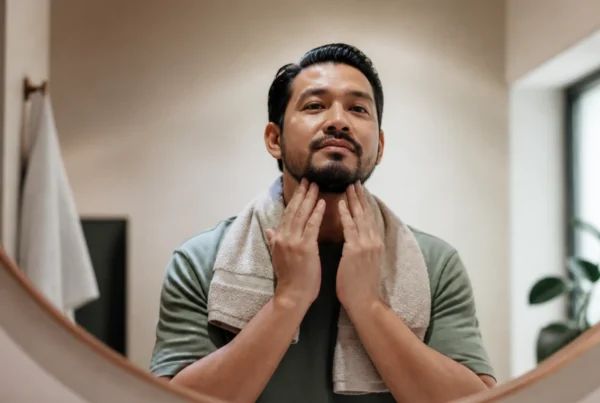
A single missing tooth sounds like a minor thing. One gap, easily hidden, especially if it’s toward the back. Plenty of people lose one and decide to simply live with it, reasoning that it’s not worth the fuss. But a missing tooth has a way of casting a longer shadow than expected, touching confidence, health, and even the shape of your face over time. The toll is real, it’s just mostly hidden.
The Confidence Cost Nobody Talks About
Start with the part people feel but rarely name. A visible gap changes how someone carries themselves. They learn to smile in a way that conceals it. They become aware of their mouth in photos, in meetings, on dates, in all the ordinary moments where you’d otherwise not think about your teeth at all. That awareness is quiet but constant, a small drain running in the background of daily life.
Even a gap that isn’t obviously visible can do this. Knowing it’s there is sometimes enough. People hold back a full laugh, cover their mouth, or speak a little more guardedly. None of it is dramatic on its own, but over months and years it shapes how openly someone shows up in the world.
The Health Effects Beneath the Surface
The confidence cost is the part people notice. The physical consequences are the part they usually don’t, and they’re arguably more important.
The Jawbone Starts to Recede
This is the big one. A natural tooth root stimulates the jawbone every time you chew, and that stimulation is what tells your body to maintain the bone in that area. Remove the tooth, and the signal stops. The bone beneath the gap gradually resorbs, shrinking in width and height over time. It’s slow, it’s invisible, and it’s happening whether or not you can see it.
Neighboring Teeth Shift
Teeth rely on each other for support and position. When one leaves a gap, the teeth around it tend to drift and tilt toward the empty space, while the tooth above or below it can start to over-erupt into the void. This quiet rearrangement can throw off your bite, create new hard-to-clean spaces, and set up problems for teeth that were perfectly fine before.
Chewing and Nutrition
Lose a tooth in the wrong spot and chewing changes. People unconsciously favor the other side, avoid certain textures, and sometimes shift toward softer, less varied foods. Over time that can quietly affect how well and how comfortably someone eats, which matters more for overall health than most people credit.
The Face Changes Too
Here’s the consequence that surprises people most. As jawbone recedes after tooth loss, especially when multiple teeth are involved, the lower face can lose some of its support and structure. The effect contributes to a more aged, slightly sunken appearance over the long term. It’s a slow process tied directly to that disappearing bone, and it’s one of the reasons dentists treat even a single missing tooth as worth addressing.
Why Replacement Matters
This is where modern tooth replacement earns its keep. The goal isn’t just to fill a visible hole. It’s to restore the function and the stimulation that the natural tooth used to provide, which heads off the cascade of consequences before they compound.
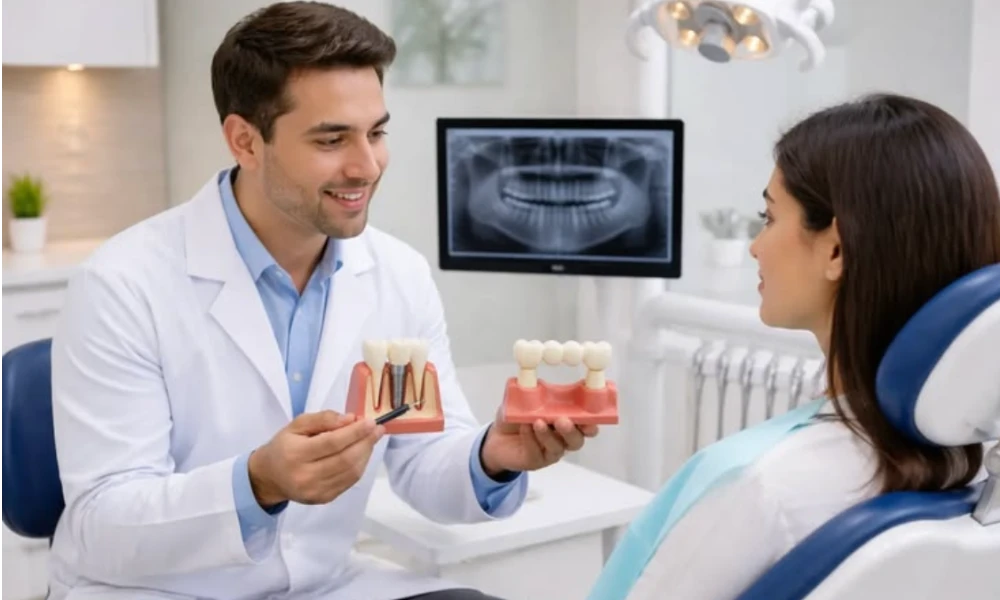
Dental implants stand out here because of how they work. An implant places a post into the jawbone itself, where it integrates with the bone and then transmits chewing forces down into it, much like a real root. That means it doesn’t just restore the smile, it helps preserve the bone and hold neighboring teeth in their proper place. For anyone weighing what to do about a gap, learning about implants in Bristol CT is a sensible starting point for understanding the realistic options.
Sooner Tends to Be Simpler
Because bone loss begins fairly soon after a tooth is gone and continues over time, addressing a missing tooth earlier often means a more straightforward path. Wait long enough and the diminished bone can require additional procedures before replacement is even possible. Acting while the foundation is still strong keeps things simpler.
The Cost of Doing Nothing
It’s tempting to frame leaving a gap as the cheap, no-action choice. In practice it’s a decision with its own slow-accumulating costs: the bone that recedes, the teeth that drift and may themselves need work, the bite that shifts, the confidence that quietly erodes. None of these show up as a bill today, which is precisely why they’re easy to discount. But they compound, and the path to fixing them later is usually longer and more involved than addressing the gap while things are still straightforward.
The Whole-Person View
What makes a missing tooth worth taking seriously is exactly that it operates on so many levels at once: the quiet hit to confidence, the invisible bone loss, the shifting teeth, the changing bite, the long-term effect on your face. Seen together, “just one tooth” stops looking minor. Treating wellbeing as a whole means not dismissing the small gaps, because in the mouth, the small things rarely stay small.
- About the Author
- Latest Posts

Our Editorial Team are writers and experts in their field. Their views and opinions may not always be the views of Wellbeing Magazine. If you are under the direction of medical supervision please speak to your doctor or therapist before following the advice and recommendations in these articles.