Key Takeaways
- Age is just a number: Orthodontic treatment is effective and increasingly popular for adults of all ages.
- Health over aesthetics: Straightening teeth can correct bite issues, reduce jaw pain, and lower the risk of gum disease.
- Discreet options exist: Modern technology like clear aligners makes treatment nearly invisible.
- Efficiency matters: New methods often mean fewer office visits and faster results than traditional metal braces.
For decades, the image of orthodontic treatment was synonymous with high school yearbooks and teenage angst. Metal brackets and colorful rubber bands were seen as a rite of passage for adolescents. However, the narrative surrounding orthodontics has shifted dramatically in recent years.
Today, a significant portion of orthodontic patients are adults who finally decided to prioritize their oral health. It is no longer uncommon to see professionals in their 30s, 40s, and even 60s improving their smiles. The stigma is gone, replaced by an appreciation for self-care and dental longevity.
This shift isn’t just about vanity or wanting a perfect selfie. Adults are realizing that correcting their alignment can solve lifelong health issues. It is truly never too late to invest in yourself.
Why the Demographics Are Shifting
The rise in adult orthodontics is driven by several factors, including better technology and accessibility. In the past, the only option was heavy metal hardware that could feel unprofessional in a workplace setting. Now, adults have access to discreet solutions that fit seamlessly into a corporate lifestyle.
Financial independence plays a major role as well. Many adults whose parents couldn’t afford braces growing up now have the means to pay for treatment themselves. It is a gift they are choosing to give themselves later in life.
Furthermore, society places a higher value on oral health than ever before. A straight, healthy smile is often associated with confidence and professional success. This cultural shift has empowered more adults to step into the orthodontist’s office without hesitation.
Beyond Aesthetics: The Health Connection
While a beautiful smile is a fantastic benefit, the functional improvements are often the primary motivator for adults. Misaligned teeth can cause uneven wear on tooth enamel over time. This can lead to chipping, breaking, and expensive restorative dental work down the road.
Crowded or overlapping teeth are also notoriously difficult to clean. When floss can’t reach between teeth properly, plaque builds up, increasing the risk of gum disease and tooth decay. Straightening these areas makes daily hygiene significantly easier and more effective.
Additionally, a misaligned bite (malocclusion) can put undue stress on the jaw joint. This often manifests as chronic headaches, jaw clicking, or TMJ pain. Correcting the bite often alleviates these painful symptoms permanently.
Modern Treatment Options
The days of “one size fits all” metal braces are long gone. Innovation in the field has produced options specifically designed for comfort and speed.
Clear Aligners
This is perhaps the most popular choice for adult patients. These clear, removable trays gently guide teeth into place without brackets or wires. They are virtually invisible, meaning most people won’t even know you are in treatment. Because they are removable, you can continue to eat your favorite foods without restriction.
Self-Ligating Braces
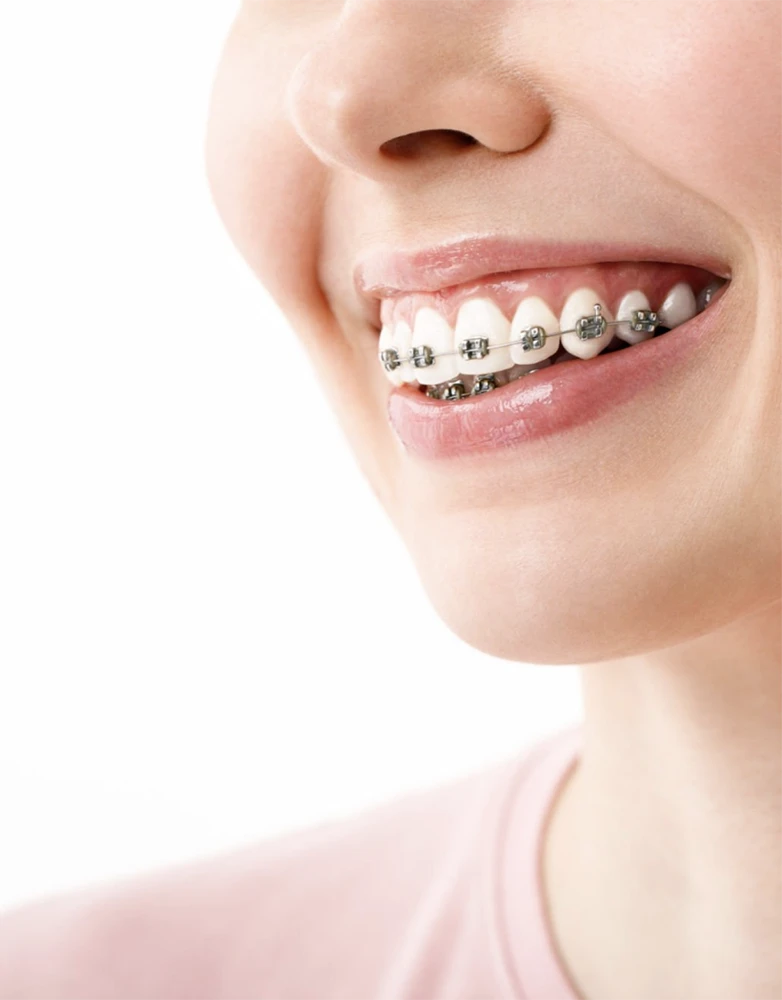
For those who need braces, modern systems like self-ligating brackets have changed the game. Unlike traditional braces that use elastics to hold the wire, these use a slide mechanism. This reduces friction and pressure, often resulting in a more comfortable experience. They also typically require fewer adjustments at the office.
What to Expect During Treatment
Adult bones are denser than children’s bones, which means treatment might take slightly longer in some cases. However, biology is on your side, and teeth can move at any age. Most adult treatments range from 12 to 24 months, depending on the complexity of the case.
You will likely visit your orthodontist every 6 to 10 weeks for progress checks. If you are using clear aligners, these visits might be even shorter and less frequent. Technology now allows for virtual monitoring in some practices, saving you time in traffic.
Maintenance is also a crucial part of the process. Once active treatment is done, wearing a retainer is non-negotiable to keep teeth from shifting back. Your provider will create a retention plan that fits your lifestyle.
Choosing the Right Provider for Your Journey
Selecting an orthodontist is a significant decision that impacts your health and your wallet. You want a provider who understands the unique biological and lifestyle needs of adult patients. Look for offices that prioritize efficiency and offer flexible payment options.
It is helpful to research local specialists who have a strong reputation for treating complex adult cases. For instance, practices like Gragg Orthodontics are known for using advanced technology to streamline the process for busy patients. Finding a team that values your time is just as important as finding one that straightens your teeth.
Do not hesitate to ask for before-and-after photos of patients in your age demographic during a consultation. This will give you a realistic idea of what can be achieved. A good orthodontist will be transparent about the timeline and expected results.
The Psychological Impact of a New Smile
We cannot ignore the mental health benefits of finally fixing a smile that has caused insecurity. Many adults have spent decades hiding their teeth when they laugh or speak. The relief of no longer having to self-monitor your expressions is profound.
Improved self-esteem often ripples out into other areas of life. Patients frequently report feeling more confident in job interviews, social gatherings, and public speaking engagements. It is an investment that pays dividends in personal confidence.
The journey might seem daunting at first, but the destination is worth it. Taking control of your oral health is an empowering act of self-love.
Conclusion
Orthodontic treatment is a viable, healthy, and rewarding option for adults. Whether you choose clear aligners or modern braces, the technology exists to make the process smooth and efficient. You do not have to settle for a smile you are unhappy with or a bite that causes pain.
Take the first step by scheduling a consultation with a reputable local orthodontist. Discuss your goals, your concerns, and your budget openly. You might be surprised at how easy it is to get started on the path to a healthier smile.
Frequently Asked Questions (FAQ)
Q: Am I too old for orthodontic treatment?
A: Absolutely not. As long as your teeth and gums are healthy, you can undergo orthodontic treatment at any age. Many patients are in their 50s, 60s, and beyond.
Q: Will braces hurt more as an adult?
A: You may experience some soreness after adjustments or when starting new aligner trays, just like a teenager would. However, modern technology uses lighter forces than in the past, making treatment much more comfortable.
Q: How much do adult braces cost?
A: The cost varies depending on the complexity of your case and the type of treatment you choose. Most orthodontic offices offer flexible monthly payment plans to make treatment affordable.
Q: Can I get braces if I have crowns or implants?
A: Yes, in most cases. Orthodontists can work around existing dental work like crowns. However, dental implants cannot move, so your treatment plan will be designed around them.
Q: How long will I have to wear retainers?
A: Retention is a lifetime commitment. To ensure your teeth do not shift back to their original positions, you will need to wear retainers indefinitely, usually just at night.