The Power of Resistance Bands: A Complete Guide to Building Strength
When it comes to strength training, most people imagine racks of heavy weights or complex gym equipment. But there’s another tool that is compact
When it comes to strength training, most people imagine racks of heavy weights or complex gym equipment. But there’s another tool that is compact, affordable, and incredibly effective: resistance bands. In fact, resistance bands can build your muscles, offering a proven way to gain strength without ever stepping foot in a gym.
They’re more than just a convenient alternative – they’re a science-backed method of training that can help you improve fitness, build lean muscle, and stay consistent no matter where you are.

Why Resistance Bands Work for Muscle Growth
Resistance bands provide progressive resistance, which is the same principle behind lifting weights. As you stretch a band, the resistance increases, forcing your muscles to work harder throughout the entire movement. Unlike dumbbells or machines, where the weight can “drop off” at certain points in the exercise, bands create continuous tension that challenges your muscles from start to finish.
This constant engagement is why many athletes and physiotherapists recommend them. They strengthen not only the primary muscle groups but also stabilisers and supporting muscles, improving overall strength, balance, and injury prevention.
The Benefits of Training With Resistance Bands
1. Versatility and Variety
With just one or two bands, you can perform a full-body workout. From chest presses and squats to bicep curls and rows, resistance bands mimic many of the classic strength training moves while being easy to adapt for beginners or advanced athletes.
2. Joint-Friendly Training
Weights can sometimes put stress on joints, especially when form isn’t perfect. Bands provide smoother resistance, which reduces impact and makes them suitable for people with joint concerns, arthritis, or those recovering from injury.
3. Portable and Convenient
Resistance bands are light enough to carry in your backpack, suitcase, or even keep in your desk drawer. This portability makes them perfect for home workouts, travel, or anyone short on space.
4. Cost-Effective
Compared to a set of dumbbells or a gym membership, resistance bands are far more affordable. Yet they deliver excellent results, making them one of the best investments in fitness.
5. Progressive Overload Made Simple
The key to building muscle is progressive overload – gradually increasing the challenge placed on your muscles. Bands make this easy by offering different levels of resistance. As you get stronger, you can use thicker bands or combine multiple bands for greater tension.
Science Behind Resistance Band Training
Studies have shown that training with resistance bands can stimulate muscles in much the same way as free weights. Research published in sports science journals highlights that band exercises can increase muscle activation, enhance flexibility, and boost strength when used consistently.
The bands also allow you to work through a full range of motion, which is essential for functional strength and mobility. Over time, this not only improves muscle tone but also makes everyday movements easier – from carrying shopping bags to climbing stairs.
How to Use Resistance Bands for Maximum Results
If you’re new to resistance bands, start with lighter resistance and master the correct form. As your body adapts, gradually increase the challenge. Here are a few classic moves to build strength:
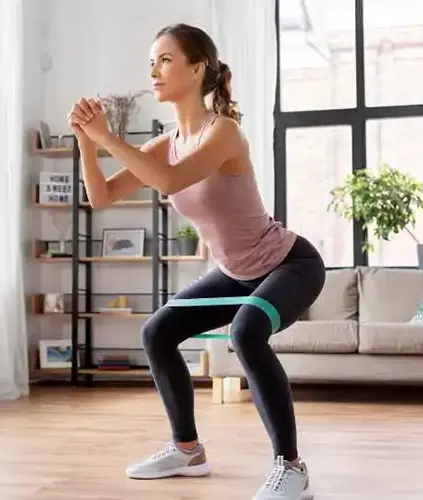
- Squats with Bands – Stand on the band and hold the handles by your shoulders. Perform squats as you normally would, feeling the added resistance as you stand.
- Chest Press – Anchor the band behind you (around a door or sturdy post) and press forward as if you were using a bench press.
- Rows for Back Strength – Anchor the band in front of you, pull towards your chest, and squeeze your shoulder blades together.
- Overhead Press – Stand on the band and press overhead to target your shoulders and triceps.
- Bicep Curls – Classic curls with bands give a great pump because of the increasing resistance at the top of the movement.
Aim for 2–3 sets of 10–15 reps, focusing on controlled movement. Over time, increase either the reps or resistance for continued progress.
Resistance Bands vs Free Weights
A common question is whether bands can truly replace weights. While both have their benefits, resistance bands excel in accessibility and versatility. Weights offer precise load measurement, but bands give you variable resistance, which can often feel more challenging. The best approach for many people is a combination of both, but if you’re limited to just bands, you can still build impressive strength and muscle.
Who Can Benefit From Resistance Bands?
The short answer: almost everyone.
- Beginners – Bands are approachable and less intimidating than weights.
- Travellers – Perfect for keeping fit on the go.
- Older Adults – Provide strength training without high impact.
- Athletes – Great for warm-ups, injury prevention, and accessory work.
- Rehab Patients – Often prescribed in physiotherapy to rebuild strength safely.
After an injury or illness, regaining strength and functionality is vital. Here, Physiotherapy in Burlington plays a transformative role. Their tailored services help restore mobility, rebuild muscle strength, and accelerate recovery — making them an excellent resource for anyone looking to regain their physical confidence safely and effectively.
Tips for Success With Resistance Bands
- Stay Consistent – Like any fitness tool, results come from regular use. Aim for 3–4 sessions per week.
- Combine With Other Training – Pair bands with bodyweight exercises like push-ups, planks, and lunges for a complete workout.
- Focus on Form – Good technique ensures maximum results and lowers injury risk.
- Track Progress – Note when you move up to a stronger band or add more reps.
The Bottom Line
Resistance bands are not just for warm-ups or beginners – they are powerful tools capable of building real strength and muscle. They combine science-backed effectiveness with unmatched convenience, making them ideal for anyone who wants to improve fitness at home, on the go, or in addition to gym workouts.
If your goal is to grow stronger, fitter, and more resilient, don’t underestimate the humble resistance band. With consistency and smart training, it can be the key to unlocking your full potential.
Filed underArthritis, Stress & burnout, Injury & recovery, Physiotherapy, Fitness & movement, India & Sri Lanka