Getting into an ice bath isn’t even the hardest part of the process. For most dedicated athletes and fitness enthusiasts, the real dealbreaker is the friction surrounding it: sourcing heavy 20-pound bags of ice, hauling them into the garage or backyard, waiting ages for the water temperature to drift downward, and then desperately trying to hold that temperature stable after a gruelling workout session.
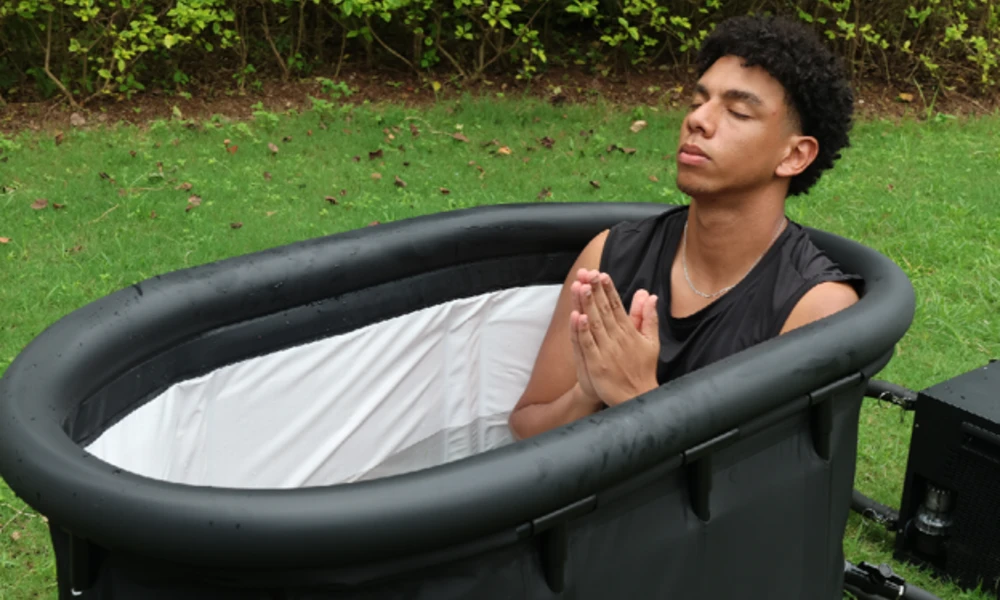
That is precisely why an increasing number of home gym owners, endurance runners, and functional fitness athletes are switching to a dedicated Water Chiller for Ice Bath. Instead of managing weekly, expensive, and messy ice runs, an integrated chiller unit maintains your tub at a precise, dialled-in temperature 24/7. It elevates a high-maintenance household chore into a seamless, automated daily recovery ritual.
How Cold Water Exposure Actually Impacts Your Body
To understand why cold plunge culture has taken over the fitness landscape, it helps to break down what actually happens under the surface when you submerge into frigid water.
When your body hits cold water, your autonomic nervous system immediately responds. The acute exposure causes rapid vasoconstriction—the narrowing of blood vessels in your extremities. This mechanical shift pushes blood away from your skin and outer tissue toward your core to protect vital organs.
Once you step out of the tub and your tissues begin to rewarm, a process called vasodilation takes over. Fresh, oxygenated blood flushes back into your muscles, carrying away metabolic waste products accumulated during high-intensity training. Additionally, the cold exposure dulls localized nerve conduction velocity, providing a temporary, natural pain-relieving effect that leaves you feeling refreshed rather than stiff.
However, cold exposure isn’t a magical cure-all. Sleep, solid nutrition, proper daily hydration, and intelligent training design remain the absolute bedrock of human performance. Think of cold therapy as a specialized precision tool: brilliant for dulling acute delayed-onset muscle soreness (DOMS) and helping you mentally reset so you can return to your next training session feeling sharp.
Why Precise Temperature Control Outperforms Ice
Traditional ice-and-water setups are notoriously unpredictable. On Tuesday, your plunge might feel mildly chilly; on Thursday, because you dumped in two extra bags of ice, it becomes a teeth-chattering, painful shock. Ambient weather, water volume, and variable ice melt rates make manual temperature management a constant headache.
A dedicated water chiller removes this trial-and-error completely, delivering three critical advantages:
- Consistent, Repeatable Results: Setting your target temperature down to the exact degree ensures your body receives the exact stress response you planned for, eliminating guesswork.
- A Safer Recovery Environment: In cold immersion, colder is not inherently better. A predictable 50°F (10°C) session that allows you to control your nervous system is infinitely more therapeutic than a chaotic 35°F (1.6°C) shock that causes panic and hyperventilation.
- Continuous Sanitation and Filtration: Premium chillers run water continuously through micro-filtration systems and sanitation loops (such as ozone or UV). This keeps the water crystal clear and dramatically extends time between water changes.
Strategic Timing: Aligning Cold Exposure with Your Goals
One of the biggest mistakes newcomers make is treating the ice bath as a one-size-fits-all tool. The biological timing of your plunge determines whether it accelerates your progress or actively hinders it.
1. When Short-Term Recovery is Priority #1
If you are competing in a multi-day tournament, running consecutive long miles during peak marathon prep, or managing a high-frequency sports season, immediate inflammation reduction is king. In these scenarios, plunging immediately after your session reduces swelling and muscle soreness, allowing you to perform at your peak the following day.
2. The Resistance Training Exception
If your primary fitness goal is hypertrophy (building muscle size) or max strength, cold therapy requires a tactical approach. The mechanical stress and inflammation generated during weightlifting are actually the exact biological signals that trigger muscle protein synthesis and tissue adaptation. Dousing your muscles in cold water immediately after heavy squats or bench presses can blunt these signaling pathways.
- The Tactical Solution: Allow at least 4 to 6 hours to pass between heavy resistance training and cold immersion. Alternatively, schedule your cold plunges on non-lifting rest days or dedicated cardio days.
A Step-by-Step Practical Framework for Beginners
If you are incorporating a chilled plunge into your routine for the first time, adoption should be deliberate, safe, and progressive.
- Start with Conservative Temperatures: Beginners do not need extreme cold to reap cognitive and physical benefits. Begin between 50°F and 59°F (10°C to 15°C).
- Cap Your Duration Short: Keep your early immersions between 1 and 3 minutes. Research shows that most physiological benefits plateau after just a few minutes; staying in for 15 or 20 minutes offers no extra benefit and increases hypothermia risks.
- Master the Breath: When your skin hits cold water, your body’s initial impulse is to gasp and take rapid, shallow breaths (the cold-shock response). Cross your arms, keep your chest and neck stable above water for the first few seconds, and force long, slow, controlled exhalations through your mouth to trigger parasympathetic calm.
- Environment and Equipment Safety: Position your tub on a stable, level surface capable of supporting heavy water weight. Ensure all electrical connections for your chiller unit are dry and grounded. Note: Individuals with cardiovascular conditions, high blood pressure, or Raynaud’s syndrome should consult a medical professional prior to starting cold therapy.
Best Practices for Water Hygiene and Maintenance
A home recovery tub is only as enjoyable as its water hygiene. Keeping your water pristine requires minimal effort if built into a simple maintenance habit:
- Pre-Plunge Rinse: A quick 30-second shower before stepping in removes skin oils, deodorants, and dirt, dramatically reducing the workload on your filtration system.
- Keep It Covered: Always secure a thermal, fitted cover over your tub when not in use to keep out outdoor debris, insects, and sunlight (which encourages algae growth).
- Routine Filter Upkeep: Check and rinse your chiller’s filter cartridge weekly, replacing it according to manufacturer guidelines to ensure water flow remains unrestricted.
- Use Dedicated Water Treatment: Stick to gentle sanitizers engineered specifically for cold plunges and water chillers. Avoid harsh pool chemicals or high chlorine concentrations that can corrode internal heat exchangers and pump seals.
Designing Your Sustainable Daily Ritual
Cold water immersion reaches its full potential when integrated intentionally into a broader health framework. It should not feel like an isolated punishment, but rather a restorative tool complemented by light movement, sauna sessions, balanced post-workout nutrition, and restorative sleep.
Pay close attention to how your body responds over the 24 hours following a plunge. By removing the friction of buying ice and leveraging the precision of a water chiller, cold therapy evolves from an occasional challenge into one of the most reliable, energizing, and effective recovery habits in your entire athletic toolkit.
- About the Author
- Latest Posts

Our Editorial Team are writers and experts in their field. Their views and opinions may not always be the views of Wellbeing Magazine. If you are under the direction of medical supervision please speak to your doctor or therapist before following the advice and recommendations in these articles.