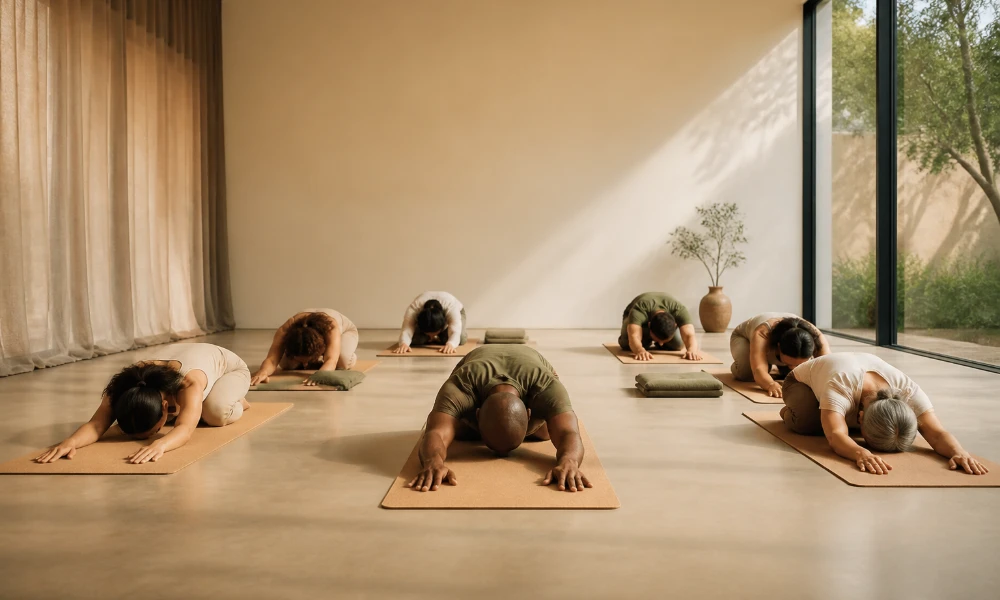
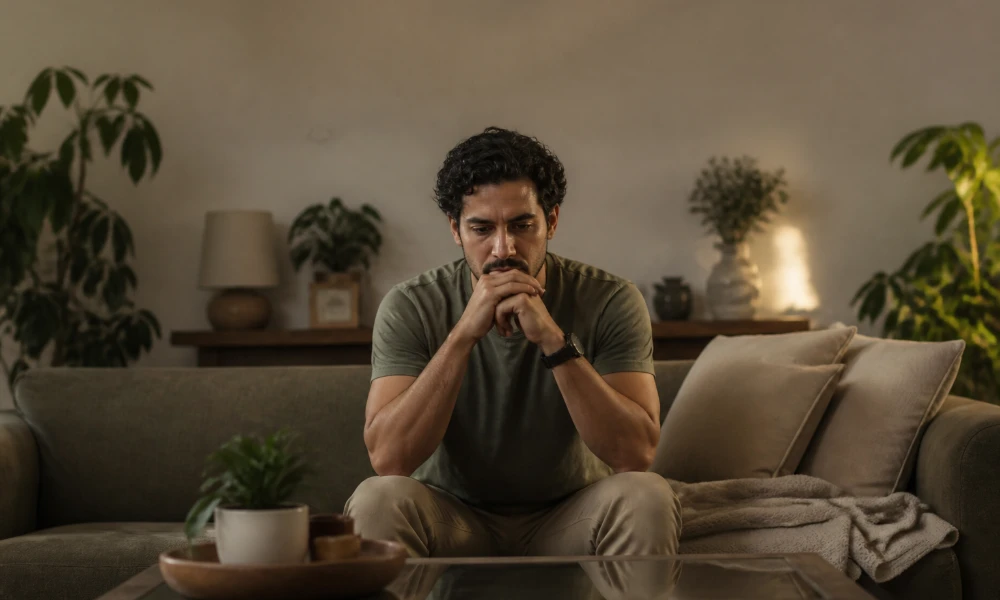
The Spiritual Psychology of Interiors: How Your Environment Impacts Inner Peace
The spaces we live in do far more than provide shelter. Every color, object, and piece of décor quietly influences our state of mind.
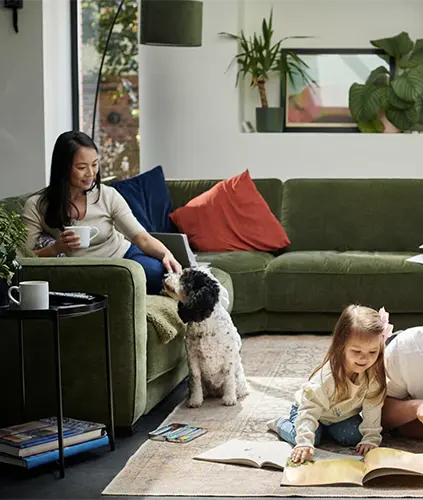
The spaces we live in do far more than provide shelter. Every color, object, and piece of décor quietly influences our state of mind. A calm and considered interior can soothe the nervous system, while a chaotic or impersonal environment may heighten stress. This connection between surroundings and inner life is often overlooked, yet it plays a profound role in how we experience peace, presence, and spiritual wellbeing.
Psychologists have long noted the impact of visual environments on mood and behavior, and many spiritual traditions echo a similar wisdom: our outer spaces reflect our inner world. By approaching the home as more than a physical container, we open the door to designing interiors that support reflection and balance.
The Mind-Body-Space Connection
Human beings are deeply responsive to their surroundings. Light, color, texture, and spatial layout all influence how we think and feel each day. A room filled with harsh lighting and clutter may leave the body tense and the mind unsettled. At the same time, a space with natural light, soothing colors, and intentional design choices can encourage relaxation and clarity.
Research in environmental psychology reveals that the brain continually processes visual and sensory input from our surroundings, influencing factors such as stress levels and emotional stability. The environment where we spend most of our time is not simply a backdrop; it actively contributes to our wellbeing. When spaces are designed with intention, they can help restore balance, support mindfulness, and create the conditions for inner calm.
Symbols and Sacred Reminders in Everyday Spaces
Throughout history, people have surrounded themselves with symbols that hold meaning, from sacred texts and icons to family heirlooms and personal mementos. These reminders serve a quiet purpose: they anchor the mind, encourage reflection, and create continuity between the physical space and the inner self.
In a modern home, this might take the form of candles, photographs, or artwork that reflects values and intentions. Many find that incorporating scripture art wall decor provides both a visual focal point and a daily reminder of faith. Placed in living areas, bedrooms, or even small reflection corners, these pieces can reinforce a sense of peace and provide spiritual grounding throughout the day.
The Power of Visual Minimalism and Stillness
Just as meaningful objects can inspire peace, excess and disorder can weigh heavily on the mind. Clutter introduces constant stimuli, demanding attention and leaving little room for calm. This overstimulation often translates into feelings of anxiety, restlessness, or fatigue.
Visual minimalism offers breathing space. A pared-back room does not need to feel stark or impersonal; instead, it emphasizes clarity and intentionality. By choosing fewer items and allowing them to hold significance, the home becomes a place where stillness is not only possible but encouraged. Simplicity supports focus, gentler rhythms, and a quiet atmosphere that nurtures emotional wellbeing.
Creating Micro-Sanctuaries in the Home
Not every home has the space for a dedicated meditation room or retreat corner, but even the smallest environments can benefit from intentional areas of stillness. A micro-sanctuary might be a favorite chair by the window, a bedside table arranged with calming items, or a quiet nook set apart from daily activity. What matters most is that the space feels restorative and invites a sense of presence.
Adding natural elements such as plants, stones, or wood can heighten the sense of grounding, while soft lighting encourages relaxation. A few carefully chosen objects, such as meaningful artwork, a candle, or a comforting book, can transform an ordinary spot into a personal refuge. Over time, returning to this space signals to the mind and body that it is time to pause, breathe, and reconnect inwardly.
Designing with Inner Peace in Mind
Designing for inner peace begins with intentional choices. Colors have psychological effects: soft blues and greens tend to evoke a calming effect, while warm neutrals create a sense of comfort and warmth. Natural textures such as wood, linen, or stone add grounding qualities that help restore balance.
Lighting also plays a crucial role. Exposure to natural light has been linked to improved mood and lower stress, while overly harsh artificial light can disrupt circadian rhythms and leave the body unsettled. Research on the psychology of space highlights how elements such as light, color, and layout shape human behavior and wellbeing, demonstrating that design decisions extend far beyond aesthetics.
When choosing décor, it helps to ask whether an item contributes to calm or introduces distraction. Surrounding yourself with art, words, and objects that reflect your values provides a steady foundation for daily life and supports the deeper goal of cultivating peace within.
Bringing it Together: A Holistic Approach to Interiors
When a home is designed with inner peace in mind, it becomes more than just a physical structure; it becomes a supportive environment for emotional balance and spiritual growth. From lighting to artwork, every detail contributes to an atmosphere that encourages calm and reflection.
This holistic view recognizes that wellbeing is influenced not only by diet, exercise, or meditation but also by the spaces we inhabit each day. Aligning interiors with personal values and intentions helps reinforce practices that sustain health and contentment. Readers interested in this connection can explore more on how wellbeing serves as a foundation in interior design, extending the idea that a mindful environment contributes directly to a harmonious life.
Finding Harmony at Home
The home is more than a shelter; it is an expression of inner life. The light we welcome in, the colors we choose, and the symbols we keep close all shape the atmosphere we experience every day.
When these choices are made with care, the home becomes a sanctuary that steadies the mind and nurtures the spirit. Finding harmony at home is less about perfection and more about intention, creating spaces that invite calm, reflection, and a deeper connection to what matters most.
Filed underAnxiety, Stress & burnout, Cosmetic & aesthetics, Meditation & mindfulness, India & Sri Lanka, Rest & rejuvenation, Retreat, Energy & vitality, Calm, Home & garden sanctuary