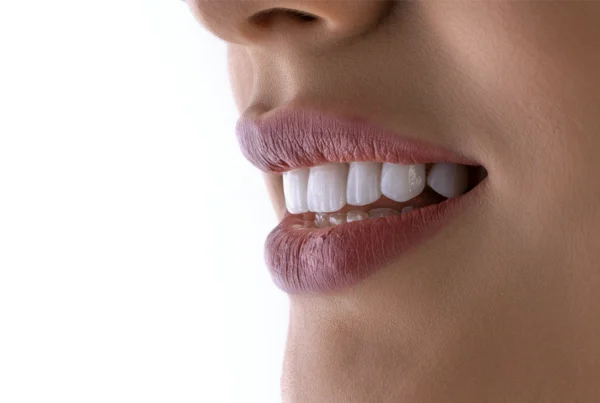

We talk a lot about mental health, physical fitness, and nutrition when discussing wellbeing. But there’s one factor that often gets overlooked despite its profound impact on how we feel about ourselves: our smile.
Think about it. When you’re unhappy with your teeth, you might cover your mouth when laughing, avoid photos, or hold back in social situations. These small daily compromises add up over time, quietly affecting confidence and even how you connect with others.
The good news is that modern dentistry has made transforming your smile more accessible than ever before. Whether you’re dealing with missing teeth, alignment issues, or simply years of wear and neglect, solutions exist that can genuinely change how you feel when you look in the mirror. And the psychological benefits often surprise people with their reach.
The Hidden Cost of Dental Problems
Before exploring solutions, it’s worth understanding why dental issues affect us so deeply. Research consistently shows that people with dental problems they’re self-conscious about experience higher rates of social anxiety and lower self-esteem. It’s not vanity. It’s human nature.
Our smile is one of the first things others notice. It’s central to how we express joy, build rapport, and present ourselves professionally. When something feels wrong with our teeth, we become hyperaware of it in ways that can be genuinely exhausting.
Beyond the psychological impact, dental problems often create physical challenges too. Missing teeth can make eating certain foods difficult or uncomfortable. Misaligned bites can lead to jaw pain, headaches, and uneven wear on remaining teeth. What starts as a cosmetic concern frequently becomes a functional one.
Replacing What’s Been Lost
Tooth loss happens for many reasons. Decay, gum disease, injury, or simply genetics can all play a role. Whatever the cause, living with gaps in your smile affects more than appearance.
When teeth go missing, the surrounding teeth can shift over time, creating new alignment problems. The jawbone beneath empty spaces begins to deteriorate without the stimulation that tooth roots provide. Chewing becomes less efficient, which can affect digestion and nutrition. And of course, there’s the daily reality of feeling self-conscious every time you speak or smile.
For decades, dentures and bridges were the primary options for addressing tooth loss. They served their purpose but came with limitations. Dentures can slip or feel uncomfortable. Bridges require grinding down healthy adjacent teeth. Neither solution addresses bone loss.
Dental implants changed the game entirely. By placing a titanium post directly into the jawbone, implants create a stable foundation that mimics natural tooth roots. The bone actually fuses with the implant over time, preventing deterioration and providing permanent stability. The visible crown attached to the implant looks and functions like a real tooth.
Working with experienced dental implant professionals Melbourne residents trust ensures the procedure is planned and executed properly. Implant placement requires precision and expertise, from the initial assessment through to the final restoration. When done well, implants can last a lifetime with proper care, making them a worthwhile investment for many people.
The transformation patients experience goes beyond having functional teeth again. There’s something powerful about being able to bite into an apple without worry, laugh without covering your mouth, and smile in photos without hesitation. These everyday moments matter more than we often realise.
When Alignment Is the Issue
Not everyone dealing with smile concerns has missing teeth. For many adults, the issue is alignment. Crooked teeth, gaps, overcrowding, or bite problems can create both aesthetic and functional challenges.
Here’s something that surprises many people: orthodontic treatment isn’t just for teenagers. In fact, adult orthodontics has grown dramatically in recent years. People in their thirties, forties, fifties, and beyond are straightening their teeth, often for the first time.
Why now? Several factors are driving this trend. First, technology has made treatment more discreet than ever. The days when metal braces were the only option are long gone. Second, adults increasingly recognise that investing in themselves at any age makes sense. And third, many people are finally addressing issues they’ve lived with for decades, having now reached a point in life where they have the resources and motivation to do something about it.
The benefits of properly aligned teeth extend beyond appearance. Straight teeth are easier to clean effectively, reducing the risk of decay and gum disease. A correct bite distributes chewing forces evenly, preventing excessive wear on certain teeth. Jaw alignment issues that contribute to pain and headaches can often be resolved through orthodontic treatment.
Modern Solutions for Straighter Teeth
The orthodontic options available today would have seemed like science fiction a generation ago. While traditional braces remain effective and sometimes necessary for complex cases, many adults now have access to alternatives that fit more easily into their lives.
Clear aligner systems have revolutionised how people think about straightening teeth. These removable, nearly invisible trays gradually shift teeth into proper position over months of treatment. You can take them out to eat and clean your teeth normally. Most people won’t even notice you’re wearing them.
Other options include lingual braces, which attach to the back surfaces of teeth, and ceramic braces that blend with tooth colour for a less noticeable appearance. The right choice depends on your specific situation, preferences, and treatment goals.
Consulting with qualified teeth straighteners in Melbourne helps you understand which approach suits your needs. A thorough assessment considers not just how your teeth look but how they function together, the health of your gums and bone, and what results are realistically achievable. Good orthodontic care is personalised, not one-size-fits-all.
Treatment length varies considerably depending on complexity. Minor adjustments might take just a few months. More significant movements could require a year or more. But for most adults, the timeline feels manageable when weighed against the years of dissatisfaction that preceded it.
The Ripple Effect of Smile Confidence
What happens when someone finally addresses dental concerns they’ve carried for years? The effects often extend far beyond their mouth.
People report feeling more confident in professional settings. They speak up more in meetings, present themselves more assertively, and feel less anxious about client interactions. Job interviews become less stressful when you’re not worried about your smile.
Social situations shift too. Dating feels less daunting. Catching up with old friends becomes something to look forward to rather than dread. Photos transform from something to avoid into moments worth capturing.
There’s even research suggesting that smiling more frequently, which people naturally do when they’re not self-conscious about their teeth, can improve mood through a feedback loop with the brain. The physical act of smiling triggers positive emotional responses. When you’re free to smile without restraint, you may literally feel happier.
Making the Decision
Deciding to invest in your smile is personal. It requires weighing costs, time commitments, and sometimes confronting fears about dental procedures. These considerations are valid and worth thinking through carefully.
What often helps is recognising that dental investments differ from many other purchases. A new car depreciates the moment you drive it off the lot. Trendy clothes go out of style. But a healthy, attractive smile stays with you every day for years or decades to come. It’s there in every conversation, every photo, every mirror you pass.
For those who’ve spent years hiding their smile or avoiding certain situations because of their teeth, the return on investment extends well beyond dollars and cents. It’s measured in moments reclaimed, confidence rebuilt, and a relationship with your own reflection that finally feels peaceful.
Starting the Conversation
If you’ve been thinking about addressing dental concerns but haven’t taken action, consider what’s holding you back. Fear of the dentist is common and treatable. Cost concerns can often be addressed through payment plans. Uncertainty about options is resolved through consultation.
The first step is simply having a conversation with a qualified professional who can assess your situation and explain what’s possible. You might discover that the solution is simpler than expected. Or you might learn that while treatment will take time, the path forward is clear.
Either way, you’ll have information instead of assumptions. And from there, you can make a decision that feels right for you.
Your smile is part of who you are. Taking care of it isn’t superficial. It’s an act of self-respect that can enhance your wellbeing in ways that might surprise you.