Have you ever looked at someone’s results and thought, “That looks so natural… I can’t even tell they’ve had anything done”?
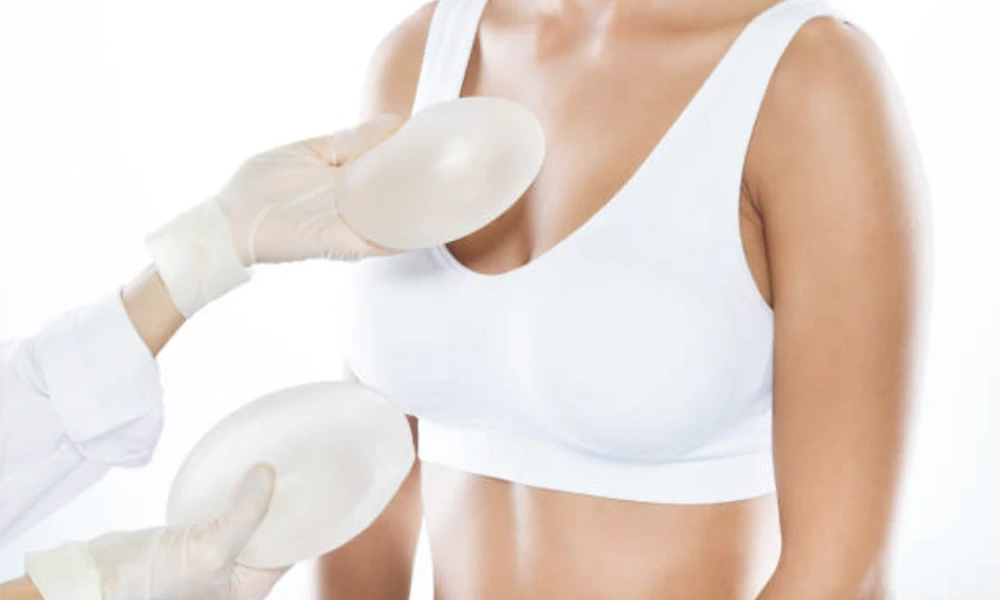
That reaction is exactly what most people hope for when they start thinking about breast augmentation. Not something obvious or overdone—just a version of themselves that feels balanced, proportionate, and quietly refined.
But “natural-looking” isn’t a single decision. It’s not just about implant size or shape. It’s the outcome of several smaller choices that build on each other, sometimes in ways people don’t fully realize at the beginning. In a place like Los Angeles, where aesthetic expectations can range from subtle to dramatic, understanding these differences becomes even more important before moving forward.
The truth is, results don’t just depend on what you choose—they depend on how everything works together. Below are 6 key factors that shape how natural breast augmentation results actually look and feel over time.
1. Implant Size Isn’t Just About Preference
Choosing a size that feels “right” can be more complicated than expected. That’s because the body’s natural proportions—ribcage width, existing tissue, and skin elasticity—quietly influence how any implant will sit and appear once placed.
That’s usually when people begin exploring options like breast augmentation Los Angeles to get a clearer sense of how sizing decisions are evaluated beyond just cup size preferences. At that stage, the focus moves toward understanding proportion rather than volume alone.
As those considerations come into focus, experienced surgeons such as Dr. Michael R. Schwartz assess how implant dimensions align with chest structure, paying close attention to how width, projection, and tissue coverage interact. That broader perspective reshapes expectations, making it easier to see why a slightly different size might look more natural in the long run.
2. Implant Shape and Profile Change the Outcome Subtly
Two implants with the same volume can still look noticeably different once placed. That difference comes down to shape and projection—whether the implant creates a fuller upper pole or a softer, more gradual slope that mirrors natural breast contours. Round implants and teardrop shapes each create distinct visual effects, but the choice isn’t always as straightforward as it seems when viewed in isolation.
As planning moves forward, attention shifts toward how these shapes interact with the patient’s anatomy rather than how they look in a catalog. Profile—how far the implant projects outward—also plays a role in how prominent or understated the result appears. When these elements are thoughtfully aligned, the outcome blends more seamlessly with the body’s natural lines rather than standing out as a separate addition.
3. Placement Matters More Than Most People Expect
Where the implant sits can influence both appearance and feel. Placing the implant either above or below the chest muscle changes how much natural tissue covers it, which in turn affects how visible edges or contours may become over time. This decision isn’t just technical—it directly shapes how soft or defined the final result looks.
As the conversation deepens, the focus usually turns toward how muscle movement, lifestyle, and existing tissue thickness all come into play. For some, placement beneath the muscle offers a more gradual transition, while others may benefit from a different approach depending on their starting point. When placement aligns with anatomy instead of preference alone, the result feels less constructed and more integrated.
4. Skin Quality and Elasticity Set the Foundation
The condition of the skin plays a quiet but important role in how results settle. Skin that has good elasticity adapts more smoothly to changes in volume, allowing the implant to sit naturally without creating tension or irregularities. On the other hand, thinner or less elastic skin may respond differently, which can influence both shape and long-term stability.
As these factors are evaluated, the focus shifts to how much support the existing tissue can provide and whether additional considerations should be factored into the plan. It’s not just about what’s being added, but how the body can accommodate that change over time. That understanding grounds expectations, making the outcome feel more predictable rather than uncertain.
5. Surgical Technique Shapes the Fine Details
Small technical decisions can have a noticeable impact on the final look. Incision placement, pocket creation, and precise implant positioning all contribute to symmetry and overall balance. These aren’t the details most people think about initially, yet they’re often what separate a natural-looking result from one that feels slightly off.
As planning moves into execution, the focus shifts toward precision—how each step is carried out and how consistently those choices align with the intended outcome. Even minor variations can influence how the implants settle and how the breasts move over time. When the technique supports the overall plan, the result appears more cohesive rather than pieced together.
6. Healing and Time Influence the Final Appearance
Results rarely look “final” in the early stages after surgery. Swelling, tissue adjustment, and gradual settling all play a role in how the breasts take shape over the following weeks and months. What may feel unfamiliar at first can soften and shift as the body adapts, which is why early impressions don’t always reflect the eventual outcome.
As recovery progresses, the focus turns toward how the implants settle into position and how the surrounding tissue responds. Patience becomes part of the process, even if that’s not what most people expect going in. Over time, the result looks less like a recent change and more like something that naturally belongs.
Conclusion
Natural-looking breast augmentation isn’t created by a single decision—it’s built through a series of interconnected choices that influence each other along the way. Size, shape, placement, and technique all matter, but their impact really shows when they’re considered together rather than in isolation.
What stands out is how much of the process is about alignment—matching the procedure to the body instead of forcing the body to match an idea. Once that shift happens, the focus moves away from dramatic change and toward subtle refinement. And in the end, that’s usually what makes the result feel natural—not that nothing has changed, but that everything fits in a way that feels effortless.
- About the Author
- Latest Posts

Our Editorial Team are writers and experts in their field. Their views and opinions may not always be the views of Wellbeing Magazine. If you are under the direction of medical supervision please speak to your doctor or therapist before following the advice and recommendations in these articles.