Chasing Glow Without Going Under the Knife
The pursuit of youthful skin has shifted away from dramatic interventions towards treatments that work with the body rather than against it.
Exploring Non-Invasive Facial Treatments for Natural, Healthy Ageing
The pursuit of youthful skin has shifted away from dramatic interventions towards treatments that work with the body rather than against it. Subtlety is the new aspiration. We want to look refreshed, rested and vibrant – not “done”.
Over the past year, I’ve been exploring non-invasive facial treatments that promise to support skin health, firmness and glow without needles, surgery or long recovery times. After trying HIFU last year, I became curious about other options on the market, particularly those positioned as skin-revitalising rather than transformative. Two treatments stood out in this personal experiment: microneedling and EMFACE, followed by an unexpected but eye-opening introduction to laser therapy for rosacea and spider veins.
What follows is not a verdict, but an honest reflection on how different treatments can feel – physically and emotionally – and why understanding your own skin type, lifestyle and long-term goals is just as important as the technology itself.
Microneedling: Stimulating the Skin’s Natural Repair Process
Microneedling, also known as collagen induction therapy, is a treatment designed to stimulate the skin’s natural healing response. Using a device fitted with tiny, fine needles, controlled micro-injuries are created in the upper layers of the skin. These microchannels trigger the body to produce more collagen and elastin – the proteins responsible for skin firmness, elasticity and structure.
From a scientific perspective, the mechanism is elegant. The micro-injuries prompt a wound-healing cascade: increased blood flow to the area, the release of growth factors, and the stimulation of fibroblasts – the cells responsible for producing collagen. Over time, this can improve skin texture, fine lines, scarring and overall tone.
There are different types of microneedling, ranging from manual dermarollers to more advanced automated devices such as Dermapen, and some clinics combine microneedling with serums, PRP (platelet-rich plasma) or radiofrequency to enhance results. Depth, intensity and technique can vary significantly depending on the practitioner and the goal of the treatment.
While I could feel and see that my skin looked brighter and smoother once the initial inflammation settled, the process itself was far more uncomfortable than I had anticipated – and I have a high pain threshold. The redness lasted around three days, during which time my face looked as though I had been badly sunburnt. For me, that downtime simply wasn’t convenient.
I later learned that some microneedling treatments include a topical numbing cream beforehand, which wasn’t offered in my session. Had that been an option, it might have made the experience more tolerable and perhaps changed my overall impression. However, with naturally fair skin and a tendency towards rosacea on my cheeks, I also came to feel that microneedling may simply not be the most suitable treatment for my skin type. It was a reminder that not all popular treatments are universally appropriate – and that taking time to fully assess skin sensitivity, reactivity and underlying conditions before booking is essential.
EMFACE: Strengthening Facial Muscles from Within
A few weeks later, I visited Elenique Skin Clinic in Putney Bridge, London, where Elena Cudworth took a thorough look at my skin and gently confirmed what I had already begun to suspect: microneedling had likely been a little too invasive for my complexion. Instead, she introduced me to EMFACE – a treatment that works very differently to surface-level skin therapies.
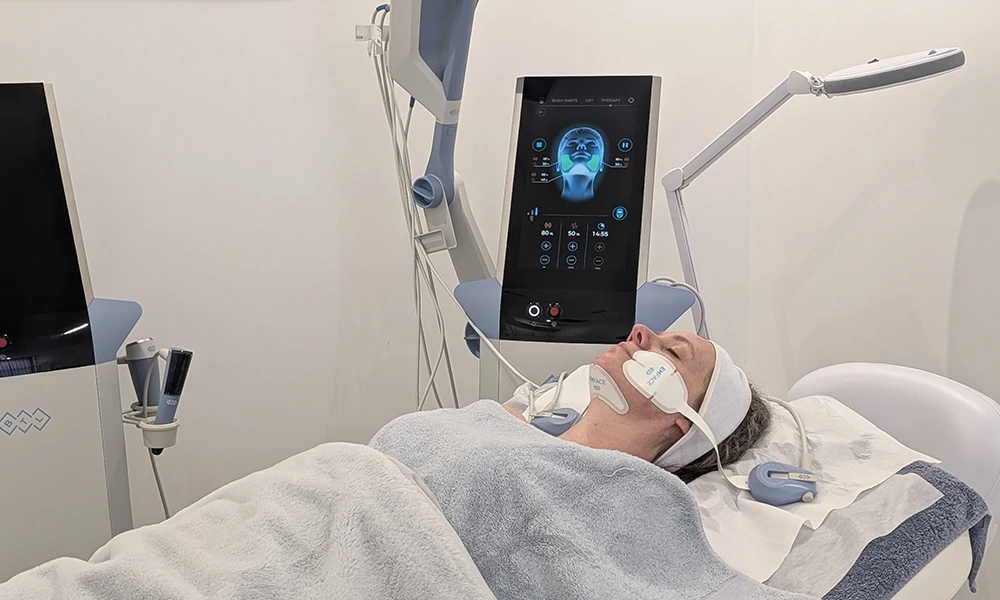
EMFACE is a non-invasive technology that simultaneously targets the skin and the underlying facial muscles. It combines two energies: high-intensity focused electromagnetic stimulation (HIFES) to strengthen and tone the facial muscles, and radiofrequency (RF) to heat the dermal layers, stimulating collagen and elastin production.
The science behind this is particularly interesting because facial ageing isn’t just about skin laxity. Over time, the facial muscles themselves weaken and shorten, contributing to sagging, loss of contour and changes in facial expression. By strengthening these muscles, EMFACE aims to restore some of the natural support structure of the face, while the radiofrequency component improves skin quality and firmness.
The treatment itself is surprisingly comfortable. There’s a gentle warming sensation from the radiofrequency and a rhythmic contraction of the facial muscles that feels unusual but not painful. What struck me most was how quickly I could see subtle changes – particularly around my neck and chin, as well as the overall lift and tone of my face.
This is not a dramatic, instant transformation. The results are understated and cumulative. A course of four treatments is recommended, with improvements building gradually over time as collagen production increases and muscle tone improves. It felt like a long-game approach to facial health rather than a quick fix – which, from a wellbeing perspective, feels far more aligned with sustainable aging.
Our conversation also turned to posture, an often-overlooked factor in facial ageing. Long hours at desks, constantly looking down at phones, and changes in posture as we age all contribute to tension in the neck and jawline, and the formation of a double chin. Treatments like EMFACE can support tone, but they work best when combined with lifestyle awareness. Alcohol, smoking, dehydration, poor sleep and chronic stress all show up on the face eventually – and no technology can fully compensate for habits that undermine the body’s natural repair systems.
Laser Treatment for Rosacea and Spider Veins
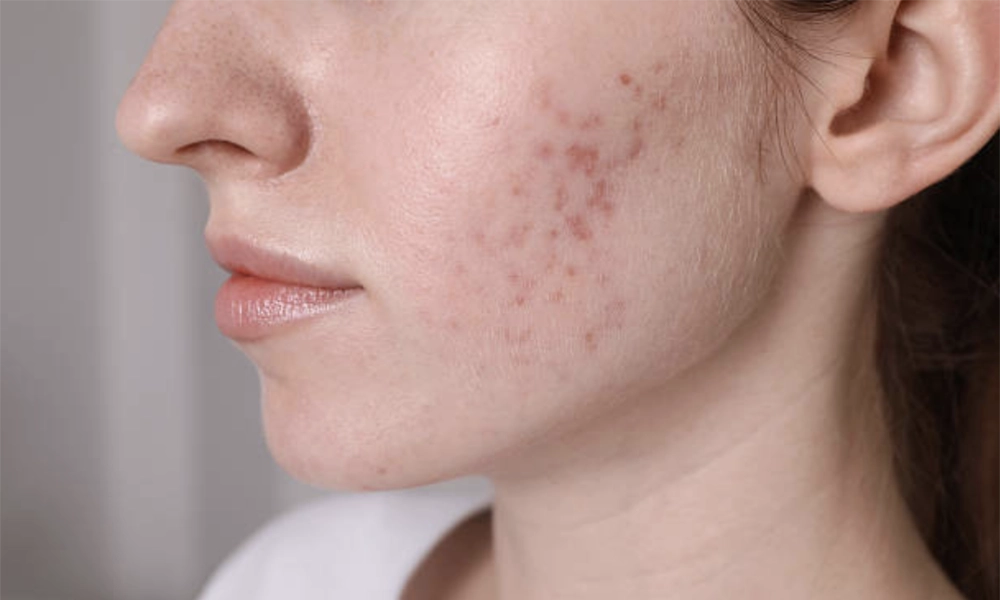
During my consultation, Elena Cudworth noticed the persistent redness on my cheeks and the small spider veins that years of sun exposure had encouraged. I had always assumed these were simply part of ageing skin – something to live with rather than treat. But she explained that vascular laser treatments can be highly effective, particularly when these concerns are addressed early, before the vessels become more established and widespread.
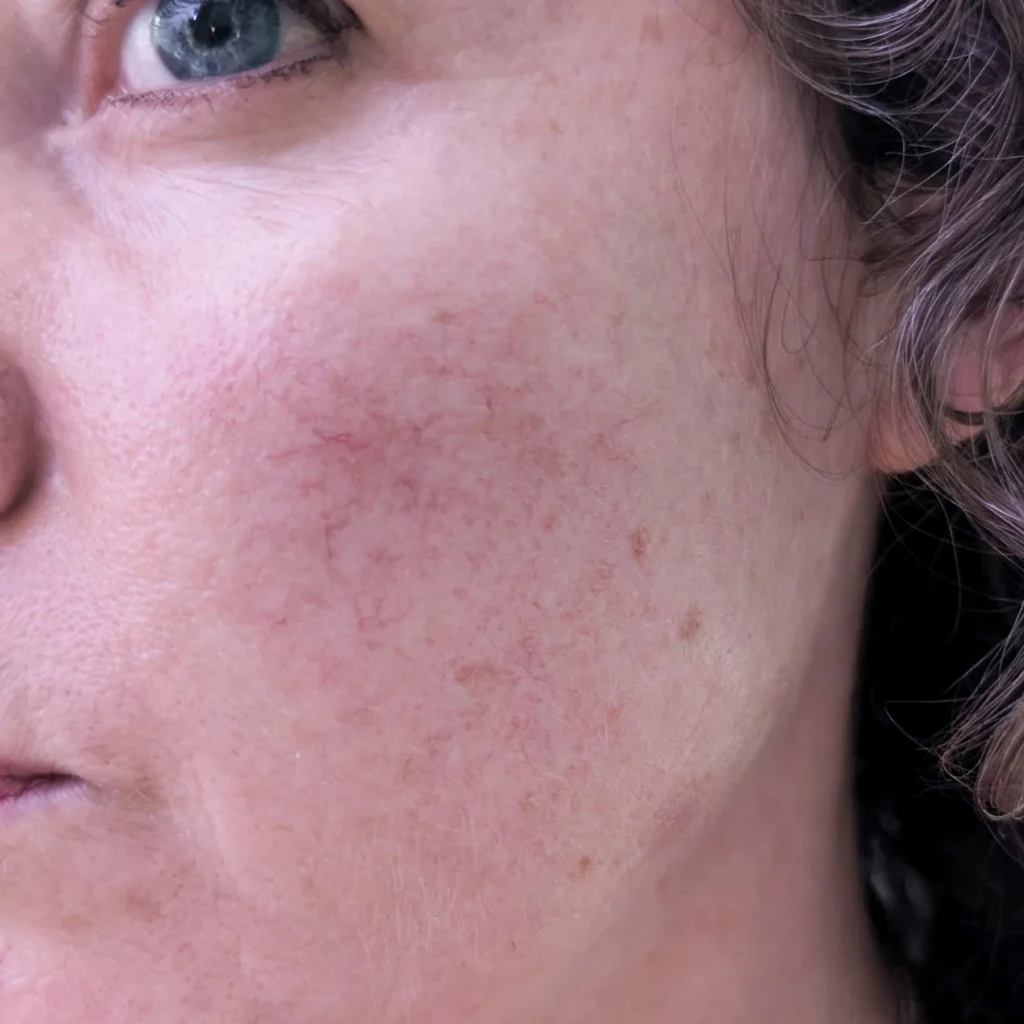
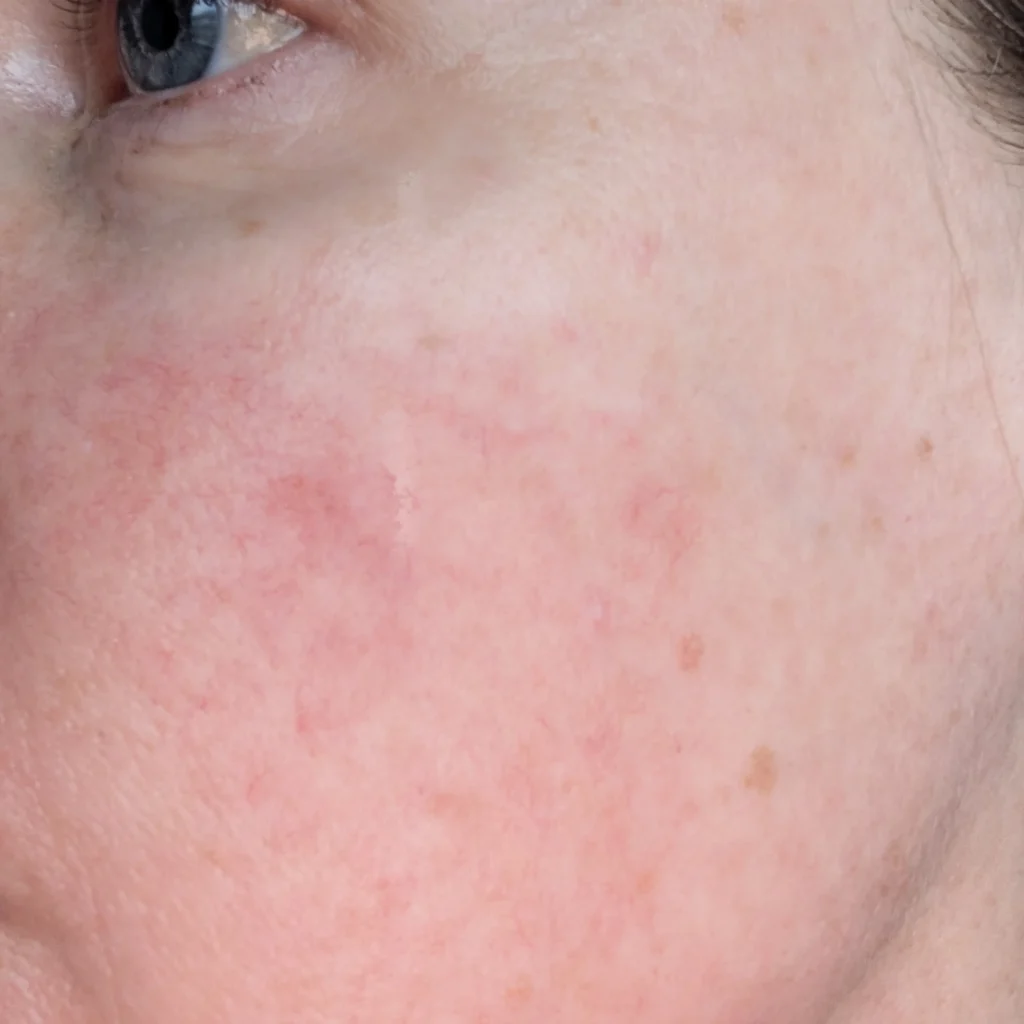
The Harmony XL Pro laser uses targeted light energy that is absorbed by the haemoglobin in visible veins and capillaries. The heat generated causes these vessels to coagulate and collapse, after which the body gradually reabsorbs them. Over time, this reduces redness and the appearance of broken capillaries, helping to create a more even, calm skin tone.
The sensation during treatment feels a little like small elastic bands flicking against the skin – momentarily sharp but entirely tolerable. What surprised me most was the lack of downtime. There was no significant redness or swelling afterwards, and even after just one session, the most noticeable spider veins had already disappeared.
A few days later, a friend commented on how dewy and youthful my skin was looking. It was one of those subtle but affirming moments where you realise that small, thoughtful interventions can sometimes make the biggest difference.
Choosing Treatments with Awareness
What this journey has reinforced is that non-invasive treatments are not about chasing perfection, but about supporting the skin and underlying structures as they age. Understanding the science is empowering, but so is understanding yourself: your skin type, your sensitivity, your lifestyle, your willingness for downtime and your expectations.
The most effective results come when aesthetic treatments are paired with foundational wellbeing practices – good sleep, hydration, nutrition, stress regulation, posture awareness and mindful sun exposure. Technology can support the process, but it cannot replace the basics.
Ageing well is not about erasing time from the face. It is about softening its impact, working with the body’s natural intelligence, and choosing interventions that feel aligned with how we want to live.
Filed underSkin conditions

About the author
Rachel BransonFounder & Editor in Chief
With over 30 years in publishing and a background in Naturopathic Medicine, she has made it her mission to challenge mainstream health narratives and empower people to take control of their wellbeing. Now expanding her vision across the Atlantic, Rachel is bridging UK and US audiences with inspiring stories, trusted insights, and pioneering partnerships that align with a new era of health innovation.