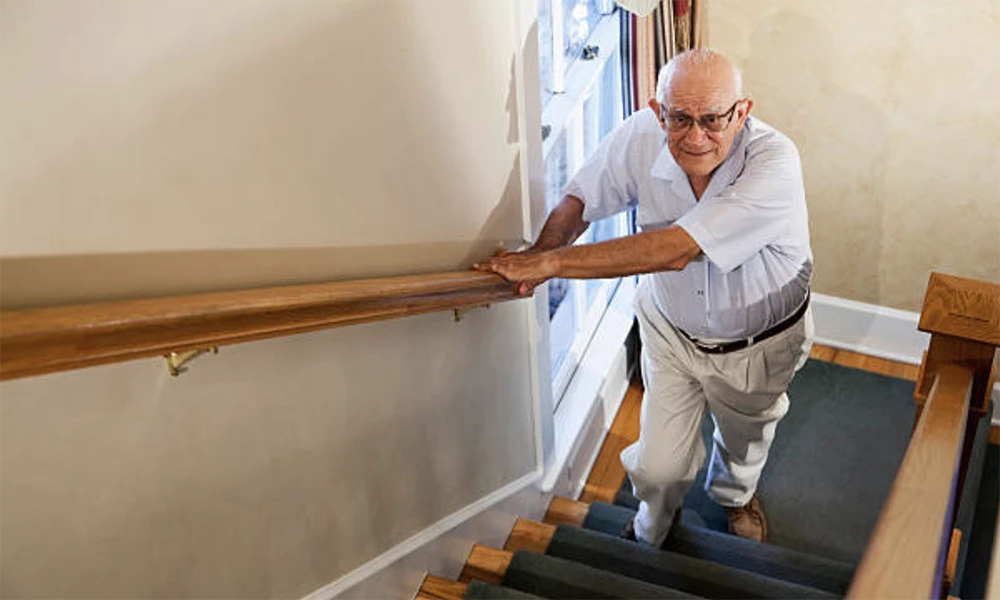
A fall can affect more than the body. Even after the first pain begins to ease, a quiet sense of caution can linger in everyday moments like climbing stairs, walking on wet ground, or moving through familiar spaces. Recovery takes patience, not only with the injury itself, but with the strain, hesitation, and emotional weight that can follow in the days ahead. It can take time to feel fully at ease again, especially when confidence has been shaken. Healing often means rebuilding trust in both your body and your surroundings, one small step at a time.
The Body Remembers
Long after the first impact, the body can still feel unsettled. Pain may linger in the hips, back, shoulders, or neck. Sleep can become lighter. Movements that once happened without thought can suddenly require planning. Getting out of bed, reaching into a cupboard, stepping into the shower, or crossing a slick floor may feel different in a way that is hard to ignore.
That shift can be surprisingly discouraging. A person may look fine from the outside and still feel stiff, tired, or slightly off balance through the course of a normal day. The sharp pain may have eased, yet the body remains watchful. Muscles stay tight. Energy drops faster. Movement loses some of its old ease.
This is often where recovery becomes more complex than people expect. Healing is not only about the visible injury. It is also about restoring trust in the body. That usually happens slowly. A little less tension when standing. A little more steadiness on the stairs. A little less fear around movements that used to feel automatic. These are not dramatic changes, but they matter. They are often the first real signs that the body is beginning to settle.
The Mind Learns Caution
The emotional side of a fall is easier to miss, partly because it does not always arrive all at once. Fear can be subtle. It may show up as poor sleep, irritability, hesitation, or that sudden tightening in the chest when the ground feels uneven. The mind starts paying attention in a different way. It scans. It remembers. It tries to stay one step ahead of danger.
That response is understandable. After a fall, caution can feel like self-protection. Still, when it lingers, it can make daily life feel smaller. Someone who used to move freely may begin avoiding certain routes, certain surfaces, even certain routines. The body may be healing, but confidence has its own timetable.
That is why emotional recovery matters as much as physical care. A sense of safety often returns through ordinary moments. A short walk that feels manageable. A staircase that no longer seems daunting. A trip outside without that familiar bracing feeling. Small wins like these can rebuild trust, and trust is often what makes the rest of recovery possible.
Healing Needs Practical Support
Recovery may be deeply personal, but it is rarely untouched by practical pressures. There are appointments to arrange, time away from work to manage, extra costs to absorb, and everyday tasks that suddenly take more effort than usual. When a fall happens because of unsafe conditions, those stresses can feel heavier than they should.
For some people, part of moving forward means getting clear on what support is available. In that situation, speaking with slip and fall accident attorneys may help bring some order to an otherwise draining experience. That kind of support does not compete with healing. In many cases, it gives healing more room by reducing uncertainty and making the practical side of recovery easier to carry.
Other forms of support can matter just as much, even when they seem less obvious. Paying closer attention to surfaces, pace, and physical limits can help a person feel steadier again. So can habits that strengthen balance and fall prevention. The aim is not to become wary of every step. It is to feel more secure in your body and less unsettled by the world around you.
Returning to Yourself in Small Ways
Most recoveries do not arrive with a breakthrough moment. More often, they gather slowly. You notice that standing up feels easier. You reach for something without stopping to brace first. You walk a familiar route and realise it no longer feels quite so loaded. Progress can be quiet like that.
There is something reassuring in that quietness. It means healing does not have to look dramatic to be real. Gentle movement, supportive treatment, and healing your body and mind after an injury can help restore a sense of steadiness over time. So can routine, rest, and the simple act of not expecting too much from yourself all at once.
A fall can leave a person feeling out of sync with their own life. The body feels less fluid. The mind feels less settled. Then, gradually, something shifts. Familiarity returns. Not all at once, and not perfectly, but enough to remind you that recovery is happening even when it feels slow.
A Softer Kind of Strength
Strength after a fall is often quieter than people expect. Sometimes it means slowing down, asking for help sooner, or being honest that recovery is harder than you wanted it to be.
There is resilience in that honesty. The body learns what it needs. The nervous system calms. What felt shaken begins to steady. Life opens back up in small, believable ways.
A fall may interrupt the rhythm of life, but it does not have to become the whole story. Healing can be uneven, frustrating, and deeply human. It can also return a person to themselves with more care, more awareness, and a clearer sense of what real support looks like.
- About the Author
- Latest Posts

Our Editorial Team are writers and experts in their field. Their views and opinions may not always be the views of Wellbeing Magazine. If you are under the direction of medical supervision please speak to your doctor or therapist before following the advice and recommendations in these articles.