
You know the drill. Running behind schedule, your toddler’s having a complete meltdown over the “wrong” snack choice, and your preschooler picks that exact moment to declare a bathroom emergency. Again.
If this sounds painfully familiar, you’re not alone. Driving with children in tow often feels less like transportation and more like damage control. Between the constant disruptions, surprise emotional breakdowns, and the relentless chorus of “are we there yet?”, even the most zen parent can lose their cool. Here’s what most don’t realize: this chaos isn’t inevitable.
When you master mindful driving with kids, those stressful commutes become genuinely peaceful experiences.
Understanding Why Calm Matters Behind the Wheel
Science tells a compelling story about parental stress behind the wheel. Nearly 80% of parents admit to experiencing serious stress when driving with their children present. That staggering statistic makes complete sense once you consider the mental juggling act involved.
You’re simultaneously tracking traffic patterns, managing your children’s needs, and maintaining everyone’s safety. Stress hormones flooding your nervous system during these episodes? They actively slow your reaction times and muddy your judgment. This is exactly why calm driving tips for parents transcend mere suggestion; they’re fundamental safety necessities.
The Mind-Body Connection While Driving
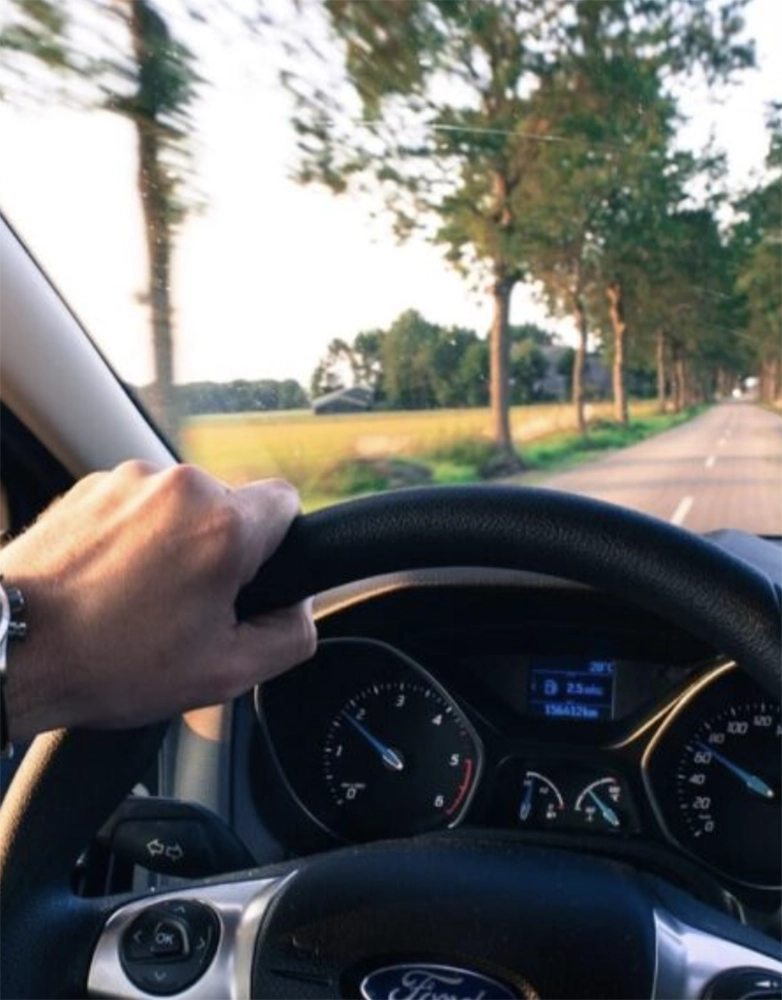
Whether you notice it consciously or not, your body betrays your stress levels. The second your child erupts into tears or siblings start bickering, watch what happens: shoulders creep toward your ears, fingers death-grip the steering wheel, breathing becomes rapid and shallow. These automatic physical reactions genuinely increase driving hazards.
Here’s the encouraging part. You can absolutely retrain these responses. Simply recognizing how your body manifests stress gives you control to modify it.
Safety Foundations Create Peace of Mind
Building a foundation for peaceful drives begins with one non-negotiable element: properly securing your children in appropriate toddler car seats. When you’ve got confidence that your kids are safely restrained in age-appropriate seats meeting current safety standards, your mental bandwidth frees up for driving rather than anxious worrying.
Quality retailers like Little Canadian offer expertly curated car seat options with guidance to help you choose the right fit. That security in your safety infrastructure becomes everything else’s foundation.
Pre-Trip Strategies That Set You Up for Success
The real secret behind stress-free car rides with children starts before your engine even turns over. Consider it similar to vacation packing, proper preparation prevents most problems.
The Five-Minute Settling Routine
Carve out five minutes before starting your vehicle. Just five full minutes. Verify everyone’s comfort, dial in the temperature, and give yourself three intentional deep breaths. This deliberate pause communicates to your nervous system that you’re shifting into “driving mode.”
Check in with your kids about their needs before departure. You’d be shocked at how many total meltdowns get completely prevented through this basic acknowledgment.
Smart Packing Makes All the Difference
Maintain a dedicated bin in your vehicle stocked with essentials: wipes, tissues, backup clothing, and basic toys. No need to overcomplicate it, rotating just three to four quiet activities each week maintains novelty. Stock mess-free snacks like crackers or dried fruit that won’t trigger sugar spikes followed by energy crashes.
Your future exhausted self will deeply appreciate this when someone inevitably spills their drink or requires an emergency wardrobe change.
Real-Time Techniques for Peaceful Driving
Perfect preparation aside, unpredictable situations will arise. That’s precisely when driving mindfulness techniques become invaluable.
The STOP Method When Things Get Heated
Mid-drive chaos erupting? Deploy STOP: Stop (create mental space), Take a breath, Observe (what’s genuinely happening here?), and Proceed (respond with intention). This brief four-second intervention prevents knee-jerk reactions that compromise safety.
Sounds straightforward, right? Because it is. The real challenge isn’t grasping the concept, it’s remembering to implement it when frustration peaks.
Voice Control Is Your Superpower
How you say something matters exponentially more than what you say. Children instantly detect vocal stress, which typically escalates rather than calms their behavior. Practice maintaining a low, steady voice even when annoyance flares. Channel your inner pilot, composed and authoritative without harshness.
When addressing behavior, economize your words. “Gentle hands” outperforms lengthy lectures about why hitting hurts.
Creating a Soothing Environment
Never underestimate music’s transformative power. Build playlists matched to different needs, energizing tracks for morning commutes, soothing instrumentals for potential naptime drives. Many parents champion nature sounds or white noise apps for younger children.
Temperature regulation matters more than you’d think. Keeping your vehicle slightly cool maintains alertness and reduces crankiness compared to an overly warm space.
Age-Specific Strategies That Actually Work
Different developmental stages demand different approaches, and last year’s winning strategy might flop today. These parenting tips for driving evolve alongside your children.
Babies and Young Toddlers (0-2 Years)
With the youngest passengers, timing determines everything. Whenever feasible, align longer drives with their typical nap windows. Keep several safe teething toys or soft books within reach. Rear-facing mirrors enable eye contact without dangerous head-turning, calming everyone involved.
Sometimes babies cry regardless; that’s simply reality. When safe to do so, pulling over for brief comfort beats attempting to power through continuous screaming.
Preschoolers (3-5 Years)
This demographic needs active engagement. Classic games like “I Spy” or counting cars of specific colors work remarkably well. Age-appropriate audiobooks can capture attention for impressive durations. Maintain realistic expectations, though; most preschoolers hit their limit around 45 minutes before requiring breaks.
Include them in minor decisions: “Should we hear the dinosaur story or the princess adventure?” Providing choice dramatically reduces power struggles.
School-Age Kids (6+ Years)
Older children can manage increased independence. Train them to pack personal activity bags for trips. Let them contribute to navigation by announcing street names or spotting specific landmarks. Numerous children this age genuinely enjoy kid-targeted podcasts.
They’re also developmentally ready for basic mindfulness concepts. Teaching them breathing exercises benefits the entire vehicle’s occupants.
Building Long-Term Calm Car Habits
Consistency transforms occasional tools into automatic habits. Begin modestly, select just two or three strategies that feel genuinely manageable.
Weekly Preparation Rituals
Each Sunday evening, invest ten minutes in preparing for the upcoming week’s drives. Replenish your car kit, charge necessary devices, and purge accumulated debris. This modest investment eliminates weekday panic.
Involve kids in developmentally appropriate ways. Even toddlers can help wipe their car seat or select which toys to pack.
Celebrate Small Wins
Acknowledge improvements regardless of scale. If your typically fussy child maintains calm for fifteen minutes, recognize it. “You showed such patience today,” reinforces desirable behavior.
Skip self-criticism over difficult days. Tomorrow offers a fresh opportunity.
Quick Comparison: Reactive vs. Mindful Driving Responses
| Situation | Reactive Response | Mindful Response |
| Child drops toy | Frustrated sigh, “Again?!” | “It happens. We’ll get it at the next light.” |
| Sibling argument | Yelling from front seat | STOP technique, then calm redirection |
| Unexpected crying | Tension, gripped wheel | Deep breath, soothing voice check-in |
| Traffic delay | Visible frustration, complaining | Reframe as bonus time together |
Your Questions About Peaceful Family Drives
- How do I stay calm when my toddler won’t stop screaming?
First, confirm they’re safe and not experiencing genuine distress. Then practice deep breathing while speaking calmly toward them. Occasionally, pulling over safely for a few minutes helps everyone recalibrate. Critically, remember their screaming isn’t directed at you personally; they’re communicating through their only available method.
- What’s the best way to handle sibling fights while driving?
Address it concisely without diverting eyes from the road: “We use kind words in this car.” If it persists, pull over safely rather than attempting to referee mid-drive. Once stopped, calmly address the situation. Prevention trumps intervention, though, keep kids occupied with individual activities.
- Can mindfulness really make my drives less stressful?
Absolutely, though mastery requires practice. Most parents detect meaningful differences within two weeks of consistent implementation. The critical factor is starting small and building incrementally. Even adopting one or two techniques generates noticeable shifts over time. Consider it muscle-building; strength develops through repeated use.
Making Peace With the Journey
Peaceful drives with children don’t materialize through luck; they’re constructed through preparation, consistent practice, and self-compassion. You won’t nail it perfectly every single time, and that’s entirely acceptable. Begin with just one or two techniques from this guide that genuinely resonate.
Perhaps it’s the five-minute settling routine before departure, or maybe it’s deploying the STOP method during disruptions. Small modifications accumulate into significant transformations given time. Your commitment to approaching driving more mindfully establishes a powerful model for your children while making every journey safer and more pleasant for all occupants. The objective isn’t achieving perfection, it’s making progress, one calmer trip at a time.