
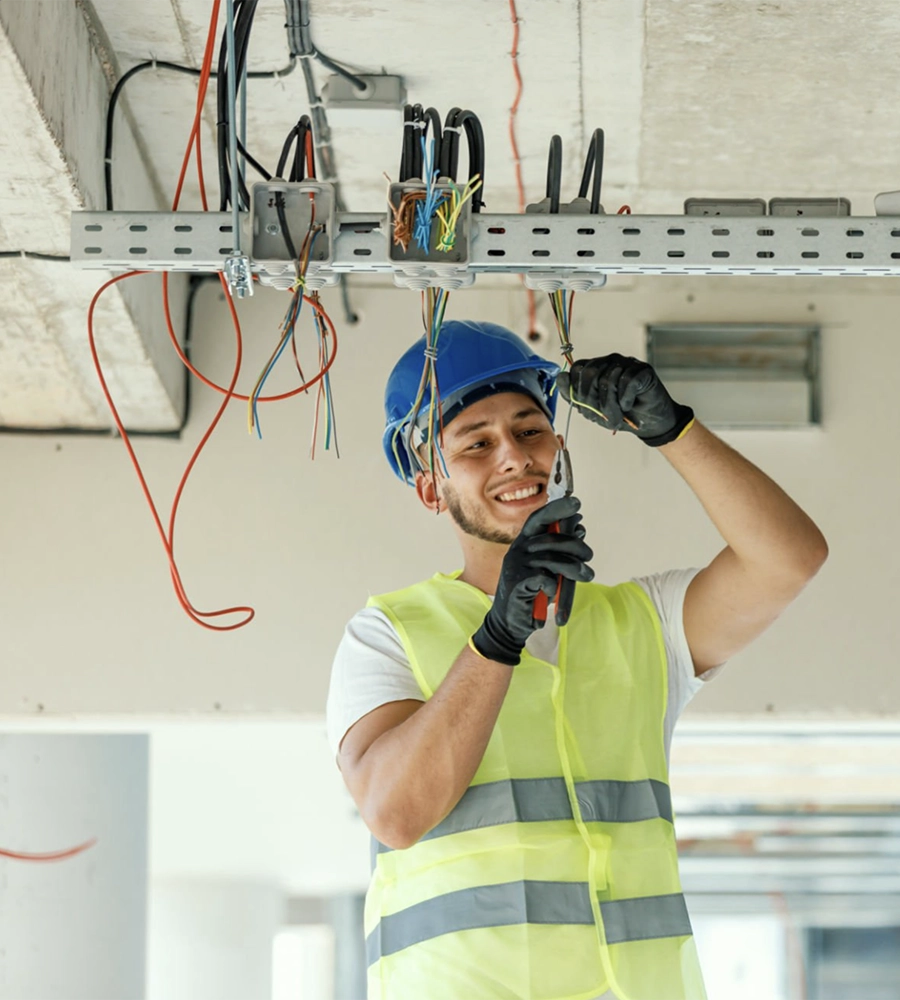
The AS/NZS Wiring Rules, also known as AS/NZS 3000, set out the minimum safety standards for designing, installing, and verifying electrical systems across Australia and New Zealand. These rules protect people, property, and equipment from hazards like electric shock, fire, and system failure. They apply to all environments—residential, commercial, industrial—and are relied upon daily by electricians, engineers, inspectors, and manufacturers.
Being the cornerstone of electrical safety, the AS Wiring Rules are mandatory under state and national legislation, even though they are not laws on their own. Compliance helps avoid hazards, ensures consistent quality, and simplifies approvals for projects.
The Structure of the Standard
AS/NZS 3000 is arranged logically into two main parts. Part One outlines core safety principles and scope, emphasizing objectives like protecting against direct and indirect shock, preventing fire, and maintaining functional and maintainable installations. Part Two provides detailed, practical instructions on wiring methods, circuit protection, earthing, equipment installation, special locations, and testing procedures.
Together, these sections support safety through design, implement safeguards during work, and verify safety via inspection and testing before systems are energised.
Major Sections You Should Know
Fundamental Safety Principles
This part sets goals such as preventing exposure to live parts and ensuring correct disconnection under fault conditions. It also addresses requirements for high-voltage and hazardous environments.
Earthing and Bonding
A Multiple Earthing Neutral (MEN) system is mandatory in Australia and New Zealand. Conductors, electrode sizing, continuity, and bonding must meet strict rules to ensure quick disconnection during faults.
Circuit Protection
All final subcircuits must have Residual Current Devices (RCDs), including lighting and fixed appliances. Overcurrent protection must be correctly rated and coordinated. Arc-fault detection devices (AFDDs) are also recommended in high-risk areas like historic buildings or schools.
Cable Selection and Voltage Drop
Cable sizing and selection must ensure voltage drop does not exceed 5% from supply to equipment. Another related standard, AS/NZS 3008, is often used alongside the Wiring Rules to guide selection based on installation conditions and load requirements.
Special Locations
Switched circuits in bathrooms, swimming pools, and hazardous areas demand extra safety measures. This includes IP-rated equipment, double insulation, and circuit segregation.
Verification: Inspection and Testing
AS/NZS 3017 outlines how installations must be inspected and tested after installation and before energising. It includes visual inspection, earth loop and RCD testing, polarity verification, and documentation.
Recent Updates and Future Trends
The current Wiring Rules edition is AS/NZS 3000:2018, with amendments released over the years to reflect new practices and technologies. Key updates include compulsory RCD protection, clearer earthing requirements, and AFDD recommendations.
A new edition is expected in the coming years, with expected enhancements in areas such as electric vehicle (EV) charging, renewable energy integration, refined terminology, and clearer alignment with related standards.
Practical Impact on Stakeholders
For Electricians and Contractors
Adhering to the Wiring Rules ensures safe, compliant installations. Proper testing and certification reduce risk and potential liability.
For Engineers and Designers
The rules help streamline system design by providing guidelines for cable sizing, earthing systems, and protection schemes, resulting in more efficient planning and approvals.
For Inspectors and Regulators
The Wiring Rules provide enforceable criteria for inspection, ensuring installations meet national safety benchmarks.
For Product Manufacturers and Suppliers
Products such as cables, conduits, switches, and protective devices must meet referenced standards to be used in compliant installations, supporting overall safety and compatibility.
Why Every Stakeholder Should Care
The Wiring Rules are more than a set of technical instructions—they represent a unified safety framework. For homeowners, it means peace of mind knowing that installations are secure. For professionals, it ensures consistent standards, legal compliance, and protection against hazards or claims.
Staying Up to Date
As technologies evolve, so do the Wiring Rules. Professionals are encouraged to regularly review updates, attend workshops, and access the latest editions of standards to stay informed and maintain compliance.
Conclusion
In summary, AS/NZS Wiring Rules are essential to every aspect of safe electrical design and installation. They serve as a foundation for safety, reliability, and professionalism across Australia and New Zealand’s electrical industries.