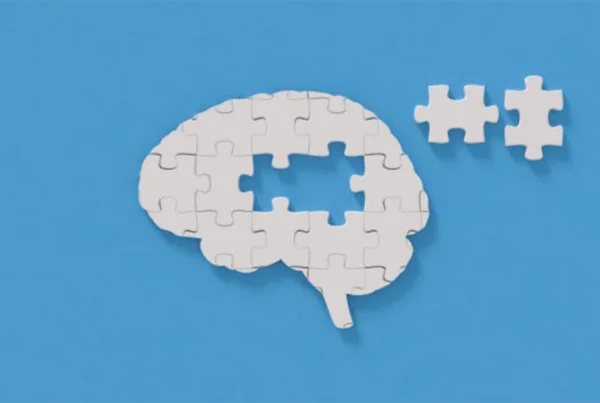
The link between vitamin D and mood is well supported by clinical research. Low vitamin D levels are strongly associated with a higher risk of depression and low mood. Multiple meta-analyses confirm that correcting a deficiency can meaningfully improve depressive symptoms, particularly in people with low baseline levels. Vitamin D is not a standalone treatment for depression, but maintaining optimal levels supports brain function, neurotransmitter balance, and mental resilience.

Vitamin D and Mood – The Connection Is Real
The relationship between vitamin D and mood is no longer speculative according to United Vitamins article. Large-scale observational studies consistently show that people with low serum vitamin D are significantly more likely to experience depressive symptoms, emotional flatness, and reduced stress resilience. This association holds across age groups, geographies, and study designs, supplementation dosages and the quality of the products that are providing third‑party testing or transparent brand quality assurance.
For example, specialist retailers such as United Vitamins (unitedvitamins.co.uk) focus on clearly labelled vitamin D3 products with evidence‑based doses and straightforward ingredient lists, making it easier to match a supplement to your needs in discussion with a healthcare professional.
In the UK, vitamin D deficiency is particularly common between October and March, when UVB exposure drops below the threshold needed for skin synthesis. Public Health England estimates that around 1 in 5 adults has low vitamin D status during winter, the same period when mood disorders and seasonal affective symptoms peak. This seasonal overlap is one of the reasons the vitamin D and mood connection has attracted serious research attention.
The critical point: low vitamin D is not just a correlation of low mood. It is an independent, modifiable risk factor that can be tested, measured, and corrected.
How Does Vitamin D Affect Mood? The Brain Mechanisms
Understanding why vitamin D and mood are connected requires looking at what vitamin D actually does inside the brain. It functions as a neuroactive steroid with direct effects on brain chemistry.
Vitamin D receptors exist throughout the brain. They are concentrated in the hippocampus, prefrontal cortex, and amygdala, regions directly involved in mood regulation, emotional processing, and stress response.
Vitamin D drives serotonin synthesis. Research published in “The FASEB Journal” showed that vitamin D activates the gene encoding tryptophan hydroxylase 2, the enzyme that converts tryptophan into serotonin in the brain. When vitamin D is low, serotonin production may be reduced, a mechanism directly relevant to depression.
Vitamin D regulates neuroinflammation. Chronic low-grade inflammation is increasingly recognized as a driver of depressive symptoms. Vitamin D helps control pro-inflammatory cytokines (IL-6, TNF-α) and supports anti-inflammatory pathways in neural tissue.
Vitamin D supports neuroprotection. Adequate levels are associated with better neuronal calcium signaling, improved antioxidant defense, and support for neurotrophic factors involved in brain plasticity.
These are well-documented biological pathways. They explain why the link between vitamin D and mood is not just statistical, it is mechanistic.
Clinical Evidence: Does Vitamin D Supplementation Improve Mood?
Observational data shows the association. Randomized controlled trials (RCTs) test whether supplementation actually works. Here is what the evidence says.
A 2023 meta-analysis published in “Critical Reviews in Food Science and Nutrition”, covering 25+ RCTs and over 7,500 participants, found that vitamin D supplementation produced a statistically significant reduction in depressive symptoms compared to placebo.
The effect was strongest in three groups: people with clinically diagnosed depression, people with confirmed vitamin D deficiency (serum 25(OH)D below 50 nmol/L), and people who supplemented consistently for 8 weeks or longer.
A separate umbrella review in “Nutrients” (2023) analyzed multiple meta-analyses and reached the same conclusion: vitamin D supplementation has a modest but consistent positive effect on mood, particularly when baseline levels are low.
What the trials do not show is that vitamin D works as a primary antidepressant for everyone. The improvements are moderate, and the strongest benefits appear in people who are genuinely deficient.
Bottom line: If your vitamin D is low and your mood is suffering, correcting the deficiency is one of the most straightforward, evidence-supported interventions available.
Optimal Vitamin D Levels for Mood Support
Most clinical guidelines define sufficiency as a serum 25(OH)D level above 50 nmol/L (20 ng/mL). However, researchers working specifically on mood and neurological outcomes suggest that 75–125 nmol/L (30–50 ng/mL) may be more beneficial for brain health and mental wellbeing.
UK public health guidance recommends a minimum of 10 micrograms (400 IU) daily for all adults during autumn and winter, and year-round for people at higher risk. Many healthcare professionals consider this a conservative baseline and may recommend 1,000–2,000 IU daily for individuals with confirmed deficiency.
The only reliable way to know where you stand is a 25(OH)D blood test. If you are experiencing persistent low mood, fatigue, or seasonal energy dips, testing your vitamin D is a practical and low-cost first step.
Who Benefits Most from Vitamin D for Mood?
The vitamin D and mood connection matters most for people who are genuinely deficient or at high risk for deficiency. You are more likely to have low vitamin D if you:
– Spend most of your time indoors or work night shifts
– Live in northern latitudes (the entire UK qualifies from October to March)
– Have darker skin (melanin reduces UVB-driven synthesis)
– Cover most of your skin for cultural, religious, or personal reasons
– Are over 65 (skin synthesis efficiency declines with age)
– Have a condition affecting nutrient absorption (coeliac disease, Crohn’s, obesity)
If you belong to one or more of these groups and also experience persistent tiredness, low mood, difficulty concentrating, or emotional flatness, a vitamin D deficiency may be a contributing factor. Testing and correcting levels is a low-risk, high-return intervention.
Vitamin D and Mood in Context: A Broader Mental Health Strategy
Vitamin D is not a cure for depression. Depression is shaped by genetics, life experience, neurochemistry, environment, and behaviour. No single nutrient addresses all of these factors.
What vitamin D does offer is a modifiable, testable, correctable variable. If your levels are low, optimizing them removes one proven contributor to low mood and supports the biological systems your brain depends on.
The strongest approach to mental wellbeing combines several evidence-based strategies: regular physical activity, adequate sleep, a nutrient-dense diet, stress management, social connection, and professional support when symptoms are persistent or severe.
Within this context, maintaining optimal vitamin D is one practical, evidence-supported step, especially for people who already know the vitamin D and mood connection applies to their situation.
How to Choose a Vitamin D3 Supplement
Vitamin D3 (cholecalciferol) is preferred over D2 (ergocalciferol) because D3 raises and maintains serum levels more effectively. When choosing a supplement, look for a product that clearly states the dose per serving in both micrograms and IU, from a brand that provides third-party testing or transparent quality assurance. If taking above 2,000 IU daily, do so under professional guidance and monitor levels periodically.
Vitamin D is fat-soluble, take it with a meal containing fat for better absorption. Some formulations include vitamin K2, which supports calcium metabolism synergistically with vitamin D, a useful combination for long-term supplementation.
Frequently Asked Questions
Does vitamin D directly cause depression?
No. Low vitamin D is a risk factor associated with higher rates of depression, not a direct cause. Depression has multiple contributing factors. However, correcting a deficiency removes one modifiable risk factor and can improve symptoms in people with low levels.
How long does it take for vitamin D to improve mood?
Most clinical trials showing mood benefits used supplementation periods of 8 weeks or longer. Vitamin D levels take time to rise and stabilize, so expect gradual improvement rather than immediate effects.
Can you take too much vitamin D?
Yes. Vitamin D toxicity is rare but possible with prolonged very high doses (typically above 10,000 IU daily over months). Symptoms include nausea, kidney problems, and hypercalcaemia. Stay within recommended doses unless a healthcare professional advises otherwise based on your blood results.
Is sunlight enough for vitamin D and mood?
In the UK, sunlight is sufficient for vitamin D synthesis roughly from April to September, with regular outdoor exposure of arms and face for 10–15 minutes around midday. From October to March, UVB levels are too low for adequate synthesis, and supplementation is recommended.
Should I get my vitamin D levels tested?
If you experience persistent low mood, fatigue, muscle weakness, or belong to a higher-risk group, testing is a practical step. A 25(OH)D blood test gives a clear picture of your status and guides whether supplementation is needed and at what dose.
Is the link between vitamin D and mood strong enough to justify supplementation?
For people with confirmed low levels, yes. The evidence from randomised controlled trials supports supplementation as a modest but meaningful intervention for mood, particularly when combined with other healthy lifestyle practices. For people with adequate vitamin D, supplementation is unlikely to produce noticeable mood improvements.
This article is for general information purposes and does not constitute medical advice. If you are experiencing persistent low mood, loss of interest, hopelessness, or thoughts of self-harm, please contact your GP or a mental health professional. Supplements should complement, not replace, professional care.