Is liposuction really the shortcut to the body you’ve been working toward—or does it come with limits people don’t talk about enough?
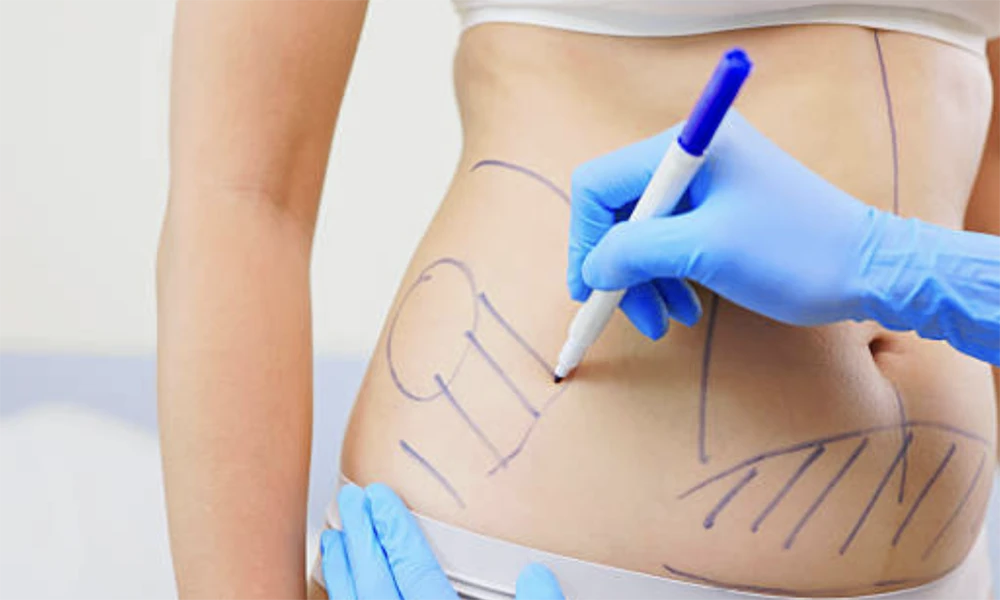
That question tends to sit quietly in the background while most of the attention goes to dramatic before-and-after photos. The reality, though, is a little more nuanced. Liposuction can create noticeable changes, but it doesn’t work in isolation, and it doesn’t solve everything people expect it to.
In places like Kansas City, where body contouring procedures are becoming more open, there’s a growing awareness that results depend on more than just the procedure itself. It’s about what liposuction is designed to do—and just as importantly, what it isn’t. That distinction tends to shape how satisfied someone feels afterward.
If you’re trying to understand where liposuction fits into the bigger picture, below are 5 honest insights that clarify what it can and can’t really change.
1. It Can Reshape Contours, But Can’t Replace Weight Loss
Stubborn fat that doesn’t respond to diet and exercise is one of the most common concerns people bring up. Certain fat deposits are more resistant to metabolic changes, which means they remain even when overall weight is stable.
That’s what leads many individuals to explore options like Liposuction in Kansas City when specific areas don’t seem to change despite consistent effort. At that point, the focus begins to shift from weight to contour.
While different outcomes are possible, evaluation approaches at experienced practices like Ascentist Plastic Surgery typically assess how localized fat pockets, body proportions, and skin response interact before determining whether contouring will achieve the desired result. That shift in perspective tends to clarify that the goal is refinement, not overall weight reduction.
2. It Can Remove Fat Cells, But It Doesn’t Stop Future Changes
There’s a common assumption that once fat is removed, it won’t come back. While treated fat cells are eliminated, the body can still store fat in remaining areas depending on lifestyle patterns.
This means the long-term outcome remains connected to everyday habits, even after the procedure is complete. Some people notice that their shape stays relatively consistent, while others may see changes if their weight fluctuates over time.
The procedure creates a new baseline, but it doesn’t freeze the body in place. That ongoing relationship between results and lifestyle tends to become clearer as time passes after the initial transformation.
3. It Can Improve Shape, But It Doesn’t Fully Address Skin Quality
Body contour can improve significantly, but skin behavior doesn’t always follow in the same way. Factors like elasticity, collagen levels, and age influence how the skin adjusts after fat removal.
When the skin has enough flexibility, it may adapt smoothly to the new contours. In cases where elasticity is reduced, the surface may not tighten as much, which can affect how defined the final result appears. This is why two similar procedures can still lead to noticeably different visual outcomes. That distinction between volume reduction and skin response tends to shape how refined the result ultimately looks.
4. It Can Create Visible Change, But Not Always Immediate Definition
Results don’t appear fully formed right after the procedure. Swelling and tissue response can temporarily mask the final contours as the body heals. The early phase can feel a bit uncertain, especially when expectations are based on finished results rather than the process itself.
Over time, as swelling reduces and the treated areas settle, the definition becomes more noticeable. This gradual progression is part of how the body adapts to the changes. That timeline tends to shift expectations from instant transformation to a more gradual reveal.
5. It Can Enhance Proportion, But Not Change Overall Body Structure
Liposuction works within the natural framework of the body. Bone structure, muscle distribution, and inherent proportions continue to define the overall silhouette. The procedure can refine certain areas so that the body appears more balanced.
It doesn’t alter the underlying structure, which means results are shaped by what’s already there rather than creating something entirely new. That’s why outcomes tend to look more natural when they align with existing proportions. That balance between enhancement and limitation is what makes the results feel realistic rather than exaggerated.
Conclusion
Liposuction can create meaningful changes, but it works best when it’s understood in context. It refines, reshapes, and enhances, but it doesn’t replace broader lifestyle factors or alter the body’s fundamental structure.
Once those boundaries are clear, the decision tends to feel more grounded. It’s less about chasing a dramatic transformation and more about making targeted adjustments that align with how the body naturally responds.
- About the Author
- Latest Posts

Our Editorial Team are writers and experts in their field. Their views and opinions may not always be the views of Wellbeing Magazine. If you are under the direction of medical supervision please speak to your doctor or therapist before following the advice and recommendations in these articles.