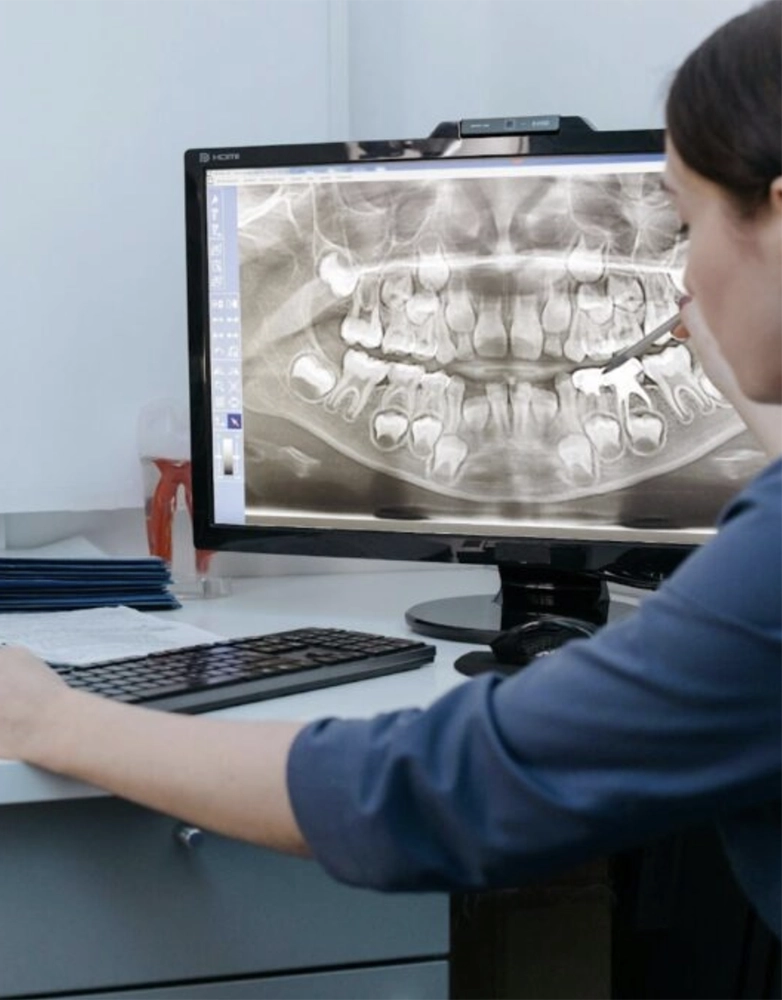
When faced with a dental emergency involving your child, staying calm is paramount. Quickly assess the situation, as your composed demeanor can help soothe your child. Start by looking for any visible damage, loose teeth, or foreign objects. Determine if immediate pain relief or basic first aid is necessary. Contact your dentist without delay, as they often have provisions for emergencies. Knowing the steps to take can make a significant difference in your child’s comfort and recovery.
Assess the Situation Calmly
When faced with a dental emergency involving your child, remaining calm is crucial to effectively assess the situation. Take a deep breath and focus on understanding the nature of the problem. Is there visible damage like a broken tooth or excessive bleeding? Observe your child’s level of discomfort and any swelling. Keep in mind that your calm demeanor will help soothe your child, allowing them to feel more secure and cooperative. Check for loose teeth or any foreign objects in the mouth. Quickly determine whether pain relief or basic first aid is needed. By staying composed and methodically evaluating the scenario, you’ll be better prepared to decide on the next steps. Trust your instincts and gather as much information as possible.
Contact Your Dentist Immediately
If you find yourself dealing with a dental emergency involving your child, it is pivotal to contact your dentist immediately. Acting swiftly can make a significant difference in preserving your child’s dental health. Don’t hesitate to schedule an appointment as soon as possible. Many dental offices reserve time for emergencies, ensuring your child gets the urgent care they need. For urgent situations, seeking professional care for children’s dental emergencies ensures that your child receives prompt, specialized treatment tailored to their needs.
In some cases, you may need to contact an emergency dentist, especially if the emergency occurs outside regular office hours. Keep your dentist’s contact information handy, and ask about their after-hours procedures in advance. This preparation can alleviate stress during an emergency. Remember, timely action and professional guidance are indispensable in minimizing potential complications and ensuring your child’s comfort and safety.
Handle a Knocked-Out Tooth Properly
Losing a tooth can be alarming, but knowing how to handle a knocked-out tooth properly can make all the difference. First, remain calm and reassure your child. Gently pick up the tooth by the crown, avoiding the root to prevent damage. If there are any tooth fragments, try to gather and preserve them. Rinse the tooth with saline solution or milk, not water, to maintain moisture. If possible, place the tooth back into its socket, ensuring it’s facing the right way. If reinsertion isn’t feasible, transport the knocked-out tooth in a container filled with milk or your child’s saliva to keep it moist. Seek immediate dental care, as timing is pivotal for successful reattachment. Your prompt action can greatly improve outcomes.
Addressing a Chipped or Broken Tooth
Although it can be distressing to see your child with a chipped or broken tooth, understanding the steps to take can help prevent further damage and alleviate pain. First, rinse your child’s mouth gently with warm water to clean the area. If there’s bleeding, apply gentle pressure with a clean cloth. To reduce swelling and discomfort, apply a cold compress to the affected area for 10-15 minutes. If you find the tooth fragment, stabilize the tooth fragment by placing it in a small container of milk or saliva. This helps preserve it for potential dental repair. Contact your dentist promptly to schedule an appointment, as professional evaluation is essential. Acting quickly can make a significant difference in your child’s comfort and recovery.
Managing Sudden Toothaches
Sudden toothaches in children can be distressing, both for them and you, but knowing how to respond can ease the situation considerably. Start with effective pain management by offering your child a suitable dose of children’s pain medication, ensuring you follow the dosing instructions. For temporary relief, gently rinse their mouth with warm salt water to help cleanse and soothe the affected area. You can also apply a cold compress to the outside of their cheek to reduce swelling and numb the pain.
- Administer children’s pain medication: Follow the recommended dosage.
- Warm saltwater rinse: Mix a teaspoon of salt in a cup of warm water.
- Cold compress: Hold it to the cheek for 15-20 minutes to ease discomfort.
Dealing With a Bitten Tongue or Lip
When your child bites their tongue or lip, it’s important to first assess the injury to determine its severity. You’ll want to gently clean the area and apply pressure with a clean cloth or gauze to control any bleeding. If the wound is deep or bleeding doesn’t stop, don’t hesitate to seek professional help from your dentist or doctor.
Assess the Injury
How can you tell if a bitten tongue or lip needs immediate care? First, examine the injured area thoroughly. Look for any deep cuts or tears that might require professional attention. If the wound is shallow, you can likely manage it at home. Next, monitor for swelling. If you notice the area becoming increasingly swollen or discolored, it might be time to seek medical help. Keep an eye on your child’s comfort level too. Here’s what to check:
- Does the wound bleed continuously despite pressure?
- Is there a noticeable increase in swelling or bruising?
- Does your child have difficulty speaking or swallowing?
Control the Bleeding
In many cases, controlling the bleeding from a bitten tongue or lip can be straightforward with a few key steps. First, use a clean cloth or gauze to apply firm pressure directly to the affected area. This will help stem the bleeding. It’s important to keep the pressure consistent and steady for several minutes without lifting the cloth to check. To control swelling, you can apply a cold compress or ice wrapped in a cloth to the outside of the mouth. This not only reduces swelling but also numbs the area, providing some comfort. Remain calm and reassure your child throughout the process. Your confidence will help them feel more at ease during this unsettling situation.
Seek Professional Help
Why should you consider seeking professional help after a child bites their tongue or lip? First, it’s pivotal to assess the severity of the situation. If the bleeding doesn’t stop after applying pressure or the wound appears deep, locating nearby emergency clinics is vital. A professional can provide the proper care, confirming the injury heals correctly and preventing any complications.
Locate Nearby Emergency Clinics: Find the closest clinics that handle dental emergencies; time is of the essence. Evaluate Severity: If the wound is large, bleeding heavily, or causing severe pain, seek help immediately. Keep Calm and Reassure: Comfort your child and explain that a professional will help them feel better soon, reducing their anxiety.
These steps will guarantee your child receives prompt and effective care.
Responding to a Dental Abscess
When your child has a dental abscess, it’s pivotal to recognize symptoms like swelling, pain, or fever quickly. Start by gently rinsing their mouth with warm salt water to help reduce discomfort, and avoid applying pressure to the affected area. Contact your dentist immediately for professional care, as timely intervention is indispensable to prevent further complications.
Identifying Abscess Symptoms
Although it might be concerning to notice changes in your child’s dental health, recognizing the symptoms of a dental abscess early can make all the difference in managing it effectively. Identifying signs of a dental abscess isn’t always straightforward, but there are key symptoms you can watch for. Keep an eye out for:
- Swelling or redness: Look around your child’s gums or face for any unusual swelling or redness that may indicate an abscess.
- Severe toothache: Persistent, throbbing pain in the affected area is a common sign.
- Fever and general discomfort: These may accompany dental issues, signaling an infection.
Emergency Treatment Steps
If you suspect your child has a dental abscess, it’s crucial to act swiftly to prevent complications. Begin by evaluating the severity: look for swelling, redness, or pus around the tooth. Your child may experience severe pain, and their cheek might be swollen. This indicates an urgent need for professional dental care. While you’re waiting for an appointment, apply first aid. Rinse your child’s mouth gently with warm salt water to minimize discomfort and help draw out infection. Be sure to avoid applying heat externally, as this could worsen the swelling. Over-the-counter pain relievers can be administered to alleviate pain, but avoid aspirin. Finally, confirm your child maintains proper oral hygiene by brushing gently around the affected area.
Alleviating Pain With Home Remedies
For parents facing a child’s dental emergency, knowing a few simple home remedies to alleviate pain can be invaluable. First, consider using a cold compress application. Gently apply it to the affected area to reduce swelling and numb pain. This method is straightforward and can provide immediate relief. Secondly, over-the-counter pain medication is another reliable option. Guarantee it’s appropriate for your child’s age and follow the dosage instructions carefully. Lastly, rinse the child’s mouth with warm salt water. It can help diminish irritation and keep the area clean.
- Cold compress application: Reduces swelling and numbs pain.
- Over-the-counter pain medication: Provides additional relief.
- Warm salt water rinse: Soothes and cleanses the mouth.
These steps can help manage your child’s discomfort effectively.
Preparing an Emergency Dental Kit
Creating an emergency dental kit for your child can provide peace of mind and safeguard you’re ready for any unexpected dental issues. Start by gathering essential first aid supplies such as gauze, dental floss, a small container with a lid, and a cold compress. Add child-safe pain relievers and a miniature flashlight for better visibility. Don’t forget to include a list of emergency contacts, including your dentist’s information.
Choose a convenient storage location that’s easily accessible yet out of reach of young children to prevent tampering. Ideally, place it with your household first aid kit. Regularly check the kit to verify items are in good condition and replace any expired products. Being prepared will help you manage any dental emergency calmly and effectively.
Educating Your Child on Dental Safety
You can empower your child to prevent dental emergencies by teaching proper brushing techniques, explaining the risks of choking hazards, and discussing the importance of safe play. Start by showing them how to brush correctly, ensuring they reach every tooth. Additionally, educate them on avoiding small objects that could be swallowed and encourage activities that protect their teeth from injury.
Teach Brushing Techniques
Although teaching children proper brushing techniques might seem challenging, it’s a fundamental step in ensuring their dental safety. Establishing a consistent brushing routine helps protect your child’s teeth and gums from decay and gum disease. Start by using a soft-bristled toothbrush and a pea-sized amount of fluoride toothpaste. Show them how to hold the toothbrush at a 45-degree angle to the gums and use gentle, circular motions.
To make it engaging, you can:
- Use a timer: Encourage brushing for two minutes, twice daily.
- Create a reward system: Offer small rewards for maintaining the routine.
- Lead by example: Brush your teeth together to reinforce habits.
Your guidance now lays the foundation for a lifetime of proper dental hygiene and safety.
Explain Choking Hazards
When educating your child on dental safety, it’s vital to address potential choking hazards. Start by teaching them about the risks of small objects like toys or loose dental appliances. Explain how these can accidentally find their way into the mouth, posing a serious choking threat. Emphasize the importance of chewing food thoroughly and not talking or laughing with food in their mouth as part of choking prevention.
If a foreign object does become lodged in their throat, calmly instruct them on foreign object removal techniques like coughing forcefully. It’s imperative to remain composed to avoid panic. Always supervise your child during meals and playtimes, ensuring they understand the importance of being cautious. Your guidance can greatly reduce the risk of choking incidents.
Discuss Safe Play
While ensuring your child’s safety during playtime, it’s pivotal to highlight the connection between safe play and dental health. Educating your child about injury prevention is essential in maintaining a healthy smile. Reinforce these practices during play to minimize dental emergencies:
- Wear Protective Gear: Equip your child with mouthguards or helmets during sports, reducing the risk of dental injuries.
- Play in Safe Environments: Encourage play in designated areas free from hard surfaces or hazardous objects.
- Teach Safe Play Habits: Instruct your child on the importance of not using teeth to open objects or for rough play.
Frequently Asked Questions
What Are Common Signs That a Dental Issue Is an Emergency?
You’ll know it’s a dental emergency when there’s intense swelling and pain, or if you notice a sudden discoloration of teeth. Don’t hesitate to seek immediate care to prevent further complications and guarantee your child’s comfort.
How Can I Differentiate Between Baby and Adult Teeth in Emergencies?
You can differentiate between baby and adult teeth by examining the size and position. Baby teeth are smaller with less root development. Look for signs of tooth bud development or visible tooth eruption to confirm. Don’t panic.
Should I Take My Child to the ER or a Dentist First?
Take your child to a dentist first. Contact a pediatric dentist and schedule an immediate appointment. They’re equipped to handle dental emergencies efficiently, ensuring your child gets the best care, while reassuring you throughout the process.
Are There Specific Foods to Avoid After a Dental Injury?
After a dental injury, you should avoid hard, crunchy foods. Stick to soft foods and use cold compresses to reduce swelling. This approach helps promote healing while ensuring your child’s comfort during recovery. You’re doing great!
How Can I Help My Child Overcome Fear After a Dental Emergency?
Reinforce positive attitudes by highlighting bravery and providing comfort and reassurance. Encourage open conversations about their feelings, and gradually reintroduce dental visits as normal. Your calm demeanor helps them feel safe and supported through the recovery process.