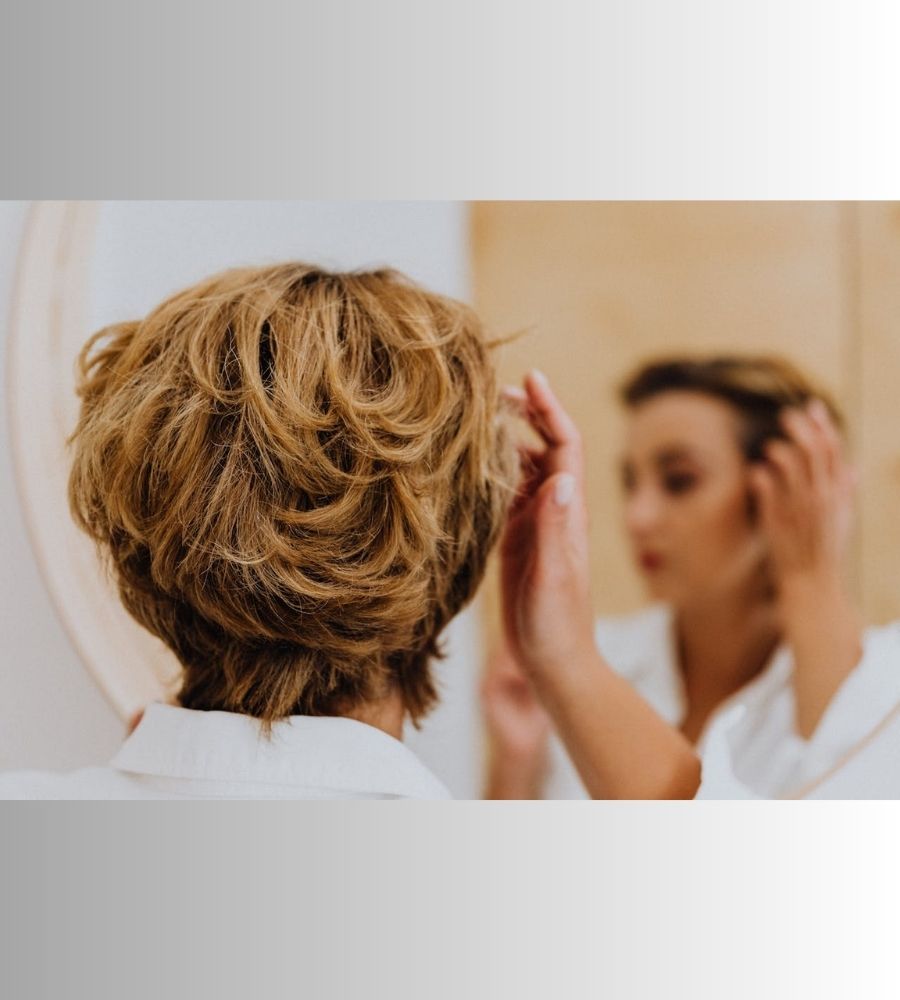
For many of us, our hair feels deeply connected to how we see ourselves. It frames our face, expresses our style, and often gives us confidence when we step out into the world. That is why noticing thinning, shedding, or changes in hair quality can be unsettling, not only for our appearance but also for our overall sense of wellbeing.
What is important to remember is that hair health is rarely just about what is happening on the surface. Our hair can act as a mirror, reflecting the state of our body, mind, and even emotions. The good news is that there are many gentle, holistic ways to support healthier hair while also caring for ourselves more broadly.
Why Does Hair Loss Happen?
Hair naturally goes through growth and rest phases, so losing a small number of hairs each day is normal. More noticeable thinning, however, can have several triggers:
● Stress – periods of emotional or physical strain can shock hair follicles into shedding more strands than usual.
● Hormonal changes – shifts related to pregnancy, menopause or thyroid imbalance can influence hair growth.
● Nutritional gaps – iron, vitamin D, zinc and protein are essential building blocks for healthy follicles.
● Scalp health – inflammation, buildup or conditions like dandruff can make it harder for hair to grow strong.
The British Association of Dermatologists highlights that the most common type of hair loss, androgenetic alopecia, affects both men and women and can be influenced by both genes and hormones. Understanding what might be driving change is the first step towards regaining balance.
Nourish from Within
Hair is made of keratin, a type of protein, so it makes sense that what we eat has a big impact. Including more nutrient-rich foods in your daily routine can help support growth:
● Leafy greens and beans for iron
● Fatty fish, chia seeds and walnuts for omega-3 fatty acids
● Eggs and nuts for biotin
● Fresh fruit and vegetables for antioxidants
A balanced, varied diet not only benefits your hair but also supports energy, skin and mood. If you are not sure about your nutrient levels, a quick conversation with your GP or pharmacist can help guide you.
Scalp Care: The Root of It All
We often focus on the hair shaft itself, but the scalp is where real change begins. Taking a few minutes to look after your scalp can make a big difference:
● Gentle massage – massaging the scalp for just two minutes a day boosts circulation, bringing more nutrients to hair follicles.
● Choose kinder products – avoid harsh sulfates that strip natural oils, instead look for soothing, plant-based shampoos.
● Exfoliate occasionally – just as we exfoliate our skin, gentle scalp scrubs can help remove buildup and keep follicles clear.
A healthy scalp lays the foundation for healthier growth.
Stress Less, Grow More
We often underestimate just how much stress affects the body. Elevated cortisol, the stress hormone, can disrupt the hair growth cycle and lead to increased shedding. The solution is not to avoid stress altogether, but to find ways of gently managing it:
● Short daily walks in nature
● Breathing exercises or meditation
● Restorative practices like yoga or tai chi
● Keeping a consistent bedtime routine for quality sleep
Even ten minutes of mindful activity a day can calm the nervous system and over time create a more supportive environment for hair health.
When to Seek Extra Support
Sometimes, despite our best efforts with lifestyle and self-care, hair loss continues. At this point, exploring additional support can be reassuring. The British Association of Dermatologists notes that clinically proven treatments such as topical minoxidil and oral finasteride can be effective for certain types of hair loss.
If you would like to explore what is available, you can discover a range of professional hair loss treatments designed to help people regain confidence and support their wellbeing journey. For men experiencing male pattern baldness, one option is to buy Finasteride online through trusted pharmacies, but it is always best to seek professional advice first to check suitability.
A Gentle Reminder About Self-Image
It is natural to feel concerned when hair starts to thin, but it is also worth remembering that hair does not define who we are. Taking steps to care for it through diet, self-care or treatments can certainly help us feel more confident. Equally, finding self-compassion and kindness towards ourselves is one of the most powerful wellbeing tools we have.
Small Daily Habits for Healthier Hair
To make things simple, here are a few everyday rituals you can start right away:
● Massage your scalp for two minutes before bed
● Add a handful of nuts or seeds to your meals for extra nutrients
● Use a silk pillowcase to reduce hair breakage
● Swap one processed snack for a fresh fruit or vegetable each day
● Create a five-minute evening wind-down ritual to ease stress
Each small step can build towards stronger, healthier hair and a calmer, more balanced you.
Final Thoughts
Our hair tells a story about more than just style. It reflects nutrition, lifestyle and emotional wellbeing. By listening to the signals it gives us and making gentle changes to our routines, we can often improve both hair health and how we feel within ourselves. And if more support is needed, remember that safe, effective treatments are available to guide you on the journey.
Further Resources
For more information about hair loss causes and treatment options, visit the British Association of Dermatologists.