If you’ve ever followed a raw vegan diet, you’ll know the question that appears like clockwork at every family gathering, every work lunch, and occasionally even from the typically well-meaning person sitting next to you on a plane: “But where do you get your protein?”
I sometimes smile when I hear it. Not because it’s a silly question, but because it shows how deeply our culture has woven the idea that protein must be animal-derived to be meaningful. In reality, protein is simply a collection of amino acids, and plants have been quietly supplying them since long before we built philosophical systems around diet. As the Stoic philosopher Epictetus said, “What matters most is how you respond to what you are given.” Nutritionally, plants give us plenty.
Meeting protein needs on a raw vegan diet is not only possible, it’s surprisingly straightforward when someone eats enough food and includes a range of whole ingredients.
Understanding Protein Needs on a Raw Vegan Diet
Protein isn’t a mysterious substance hiding only in steak and eggs. It’s made of amino acids, which the body assembles like an artist arranging mosaic tiles. The recommended intake varies, but most people thrive on a moderate amount that’s easily accessible from raw plant foods. What matters most is variety through the day rather than obsessing over specific numbers.
High-Protein Raw Vegan Foods
Nuts and Seeds
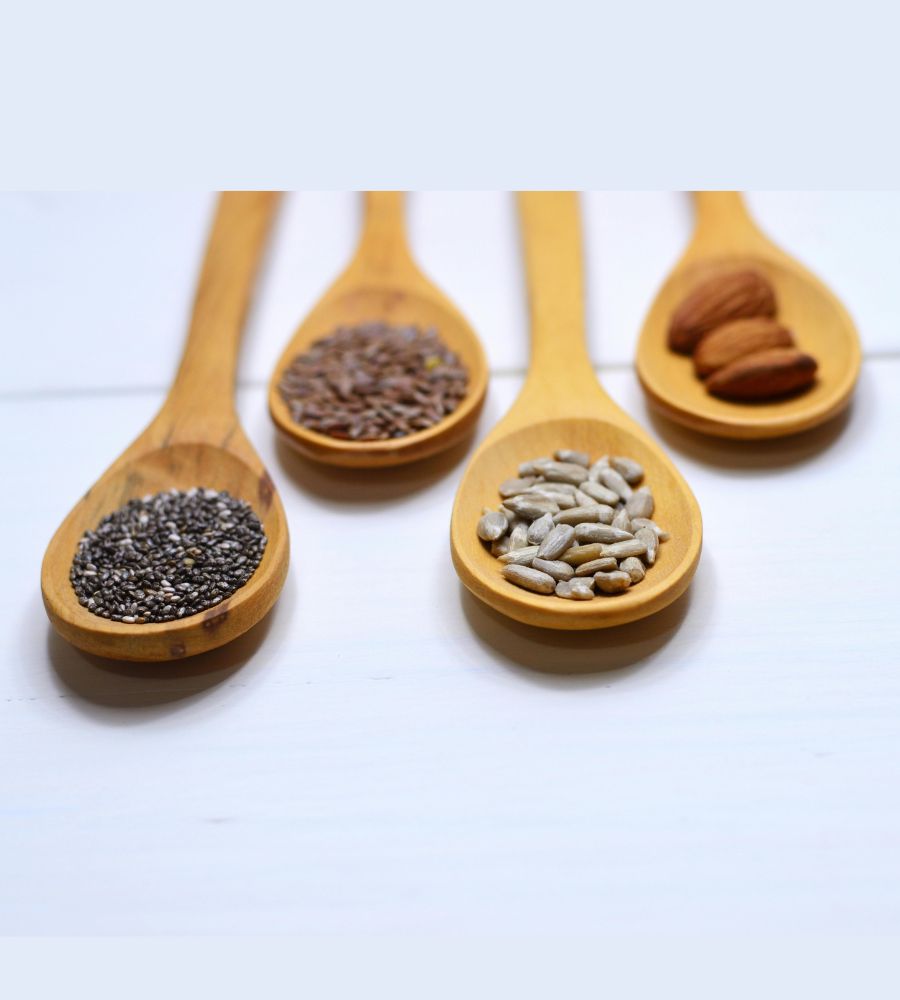
These are the quiet powerhouses of a raw vegan diet:
- Hemp seeds
- Chia seeds
- Pumpkin and sunflower seeds
- Almonds
- Brazil nuts
A handful of these is often enough to keep someone sustained through a busy afternoon. I often toss hemp seeds into a morning smoothie or make a simple almond-based pâté for a wrap or collard roll. A little goes a long way.
Sprouted Legumes
Sprouting transforms legumes from dense, dry little pebbles into crisp, living foods full of accessible amino acids.
- Sprouted lentils
- Sprouted mung beans
- Sprouted chickpeas (always sprouted and handled properly for safety)
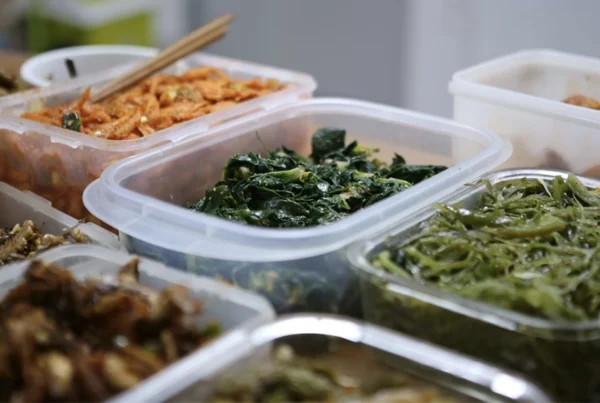
Their texture adds life to salads and bowls. Imagine finishing a long workday, opening the fridge, and finding a container of sprouted lentils ready to throw into a quick dinner. The ease feels like a small blessing, and the small amount of prep work is so worth it.
Sprouted Grains
- Buckwheat sprouts
- Quinoa sprouts
Sprouting reduces compounds that can inhibit digestion and boosts overall nutrient availability. These grains become light, crunchy and surprisingly satiating. They mix beautifully into raw granolas or salads.
High-Protein Greens and Vegetables
Greens are often overlooked in discussions about protein, yet they offer highly bioavailable amino acids:
- Kale
- Spinach
- Broccoli
- Watercress
While they don’t deliver large numbers per bite, raw vegans often (and should) eat them in generous portions, and the total adds up.
Amino Acid Balance Without the Drama
Years ago, there was a belief that plant foods had to be “combined” at each meal to create a “complete” protein. We now know the body is far more intelligent than that — it pools amino acids across the whole day, drawing what it needs when it needs it.
When I’m speaking with clients, I often describe it like tending a garden: if you plant a variety of seeds across the week, the soil becomes rich without any need for micromanagement.
A Day in the Life: What Raw Vegan Protein Can Look Like
To make this less abstract, here’s a simple example of how protein naturally fits into a raw vegan day:
- Breakfast: Smoothie with banana, berries, hemp seeds and chia
- Lunch: Large salad with greens, sprouts, pumpkin seeds and avocado
- Snack: Apple with a spoonful of almond butter
- Dinner: Zucchini noodles with a sprouted-lentil pesto
None of this feels like “protein chasing,” yet the amino acids are more than adequate.
Addressing Common Concerns
Digestibility
Sprouting reduces enzyme inhibitors and softens fibres, making legumes and grains easier to digest.
Feeling Full
Combining protein-rich foods with small amounts of healthy fats, nuts, seeds, avocados, and large amounts of healthy whole carbohydrate rich foods provides lasting satiety.
Energy Demands
Raw vegans often simply need larger portions because fruits and vegetables are naturally water-rich. Eating more is not indulgence; it’s nourishment.
Active Lifestyles
For those who exercise regularly, gently increasing sprouted legumes and grains, and soaked nuts and seeds covers higher needs effortlessly.
A Philosophical Note on Nourishment
I sometimes think of the yogic idea that food carries prana, the subtle life force that supports clarity and vitality. Raw foods, being unheated and intact, offer something simple yet profound: a sense of aliveness. When I eat this way, especially on hectic days, it feels like I’m choosing presence rather than convenience.
Raw vegans get their protein from a wide range of whole foods: nuts, seeds, sprouts, greens and vegetables. When eaten generously and consistently, these foods supply all the amino acids needed for strength, recovery and steady energy.
The beauty of raw vegan eating lies in its simplicity. nourishing the body with fresh, living foods that support clarity, balance and wellbeing.