
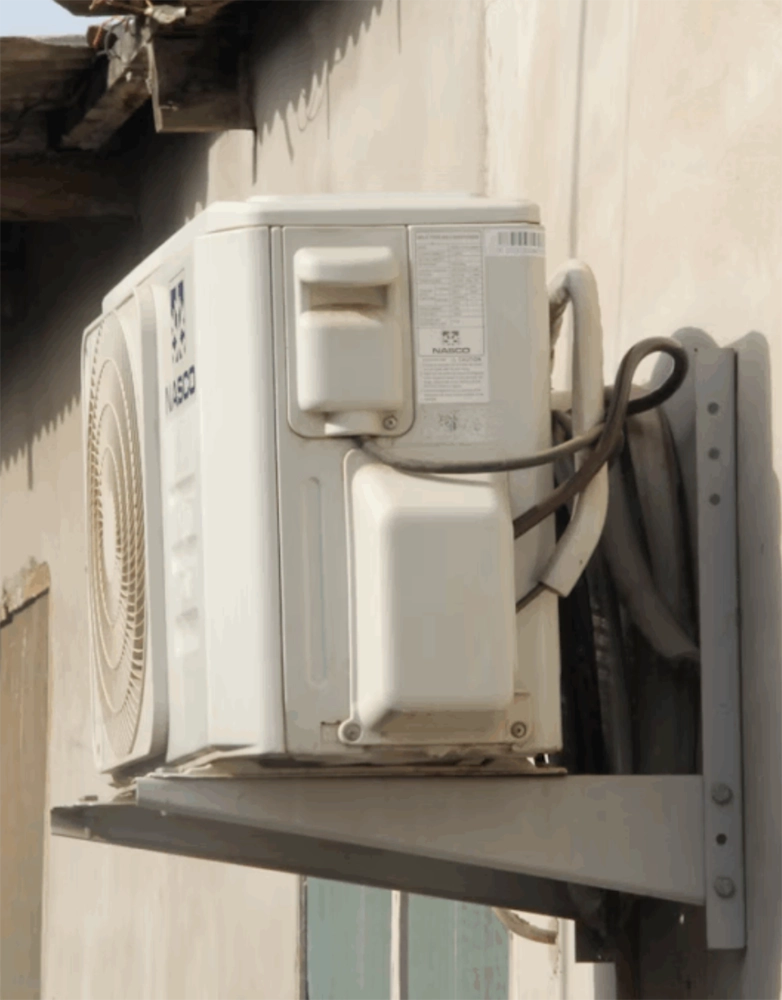
Maintaining a well-functioning air conditioning system is more than just a comfort issue, it’s a vital part of ensuring a healthy living environment. Given the increasing levels of air pollution and allergens in our surroundings, having a dependable AC can significantly improve indoor air quality.
This allows families to breathe easier and reduce the likelihood of health issues associated with poor air quality. Investing in regular AC maintenance extends the life of the system and plays a vital role in your well-being.
Understanding the Importance of AC Maintenance
AC maintenance is often overlooked until it’s too late, but it’s important to recognize its significance in maintaining a healthy home. A well-maintained air conditioning unit keeps the indoor atmosphere fresh while effectively filtering out pollutants. Dust mites, pollen, pet dander, and mold can find their way into your home through your HVAC system, leading to respiratory problems and other health complications.
Regularly servicing your air conditioning unit can mitigate these risks, ensuring that your system operates efficiently. This includes changing filters, cleaning coils, and checking refrigerant levels. Taking time and prepping your AC for spring is a critical part of avoiding unexpected breakdowns and health hazards. When your AC performs optimally, it helps you to maintain a balance of humidity and temperature that contributes to comfort and to better air quality.
Regular maintenance can help lower energy bills by ensuring your system doesn’t have to work harder than necessary. It extends the lifespan of your unit, saving you from costly replacements in the long run.
Professional inspections can identify small issues before they develop into major repairs. Clean systems prevent unpleasant odors and bacterial buildup in the ducts. Consistent upkeep guarantees a more reliable and efficient cooling experience throughout the year.
Air Quality and Its Health Implications
The air quality in your home directly impacts your family’s health. Poor indoor air quality can result in a variety of health issues, from allergies and asthma to fatigue and headaches. Pollutants build up in spaces where ventilation is limited.
An efficient AC system acts as a first line of defense against these invisible threats. When an air conditioner works correctly, it filters airborne particles, providing cleaner air.
If filters are dirty or neglected, they can become breeding grounds for bacteria and mold, exacerbating health risks instead of alleviating them.
For those with pre-existing health conditions, like asthma, exposure to poor air quality can lead to emergencies. Ensuring you have a well-maintained AC system safeguards against these hazards, making it a key part of a health-centered home.
The Role of Temperature and Humidity Control
Maintaining optimal temperature and humidity levels in your home is not just for comfort, it is vital for health. Excessive humidity can lead to mold growth, which affects air quality and poses significant health risks.
Dry air can cause respiratory distress and skin irritation. A well-functioning AC plays a significant role in managing these levels, ensuring that your home environment is conducive to good health.
In addition to regulating temperature, modern AC systems often have built-in humidifiers or dehumidifiers, providing an added layer of control. This dual function prevents the growth of mold and mildew and supports respiratory health by ensuring that occupants do not breathe in overly dry or damp air. Regular maintenance ensures that your system operates effectively, allowing you to enjoy a comfortable and safe home environment year-round.
Proper temperature and humidity control can preserve your home’s structure and furnishings by preventing warping, cracking, and other damage caused by moisture fluctuations. It enhances sleep quality by maintaining a consistent climate, reducing nighttime discomfort.
Stable humidity levels discourage dust mites and allergens from thriving indoors. By investing in a reliable AC system and keeping it well-maintained, homeowners create a healthier and more energy-efficient living space.
Energy Efficiency and Health Connection
Energy efficiency in an air conditioning system is more relevant than just budget considerations, it ties into health. An inefficient AC will increase your utility bill and lead to stress and discomfort, which negatively affects mental health.
A well-maintained system runs more smoothly, using less energy and producing fewer emissions, which is beneficial for both the environment and your family’s health.
Homes that rely on energy-efficient models experience fewer breakdowns, contributing to a more stable indoor environment.
Regular AC check-ups allow for early detection of potential issues, preventing the system from overworking and creating further strain on the household. This balance leads to healthier living conditions and reduced anxiety over unanticipated repairs.
The Psychological Benefits of a Comfortable Home
A comfortable indoor environment significantly influences mental well-being. Temperature extremes can lead to irritability and mood swings, affecting family dynamics. A pleasant home environment fosters a sense of relaxation and security. Well-maintained AC plays an integral role in creating this ambiance by providing consistent climate control.
Improved air quality contributes to clearer thinking and better focus. Families that feel comfortable and healthy are more likely to enjoy each other’s company, share meals, and engage in activities. A sense of well-being within your home can directly boost morale and improve relationships, highlighting the importance of maintaining your air conditioning system.
How to Ensure Your AC is Well-Maintained
Ensuring that your air conditioning system is well-maintained requires a proactive approach. Regular professional servicing is key to avoiding major issues down the line. Homeowners should schedule maintenance checks at least once a year, preferably before the hot months begin. During these check-ups, trained technicians will inspect various components, clean filters, and test functionality.
Besides professional services, homeowners can take steps to maintain their AC systems between professional inspections. Activities such as changing filters regularly, clearing debris around outdoor units, and checking for leaks are vital. Being vigilant about your air conditioner’s condition ensures it remains an effective health ally in your home.
The Economic Impacts of a Well-Maintained AC
While most maintain their air conditioners to enhance comfort, it’s worth noting that economic benefits play a huge role. A well-maintained AC unit can save money in the long run by enhancing energy efficiency. Systems that are well-serviced use less energy and have a longer lifespan, decreasing the frequency of costly replacements.
Homes with good-quality air often lead to improved productivity, whether working remotely or studying at home. When individuals can focus better in a comfortable environment, it often leads to better work outcomes and satisfaction.
Investing in proper AC maintenance is an investment in both health and economic performance, ensuring immediate comfort and long-term savings, plus well-being for all household members.