Whether you’re new to strength training or a seasoned athlete, compound movements should be at the heart of your workouts. These multi-joint exercises engage multiple muscle groups at once, improving overall efficiency and delivering full-body benefits in less time.
What Are Compound Movements?
Compound movements involve more than one joint and muscle group during an exercise. Examples include:
- Squats – hips, knees, core, glutes, quads, and hamstrings
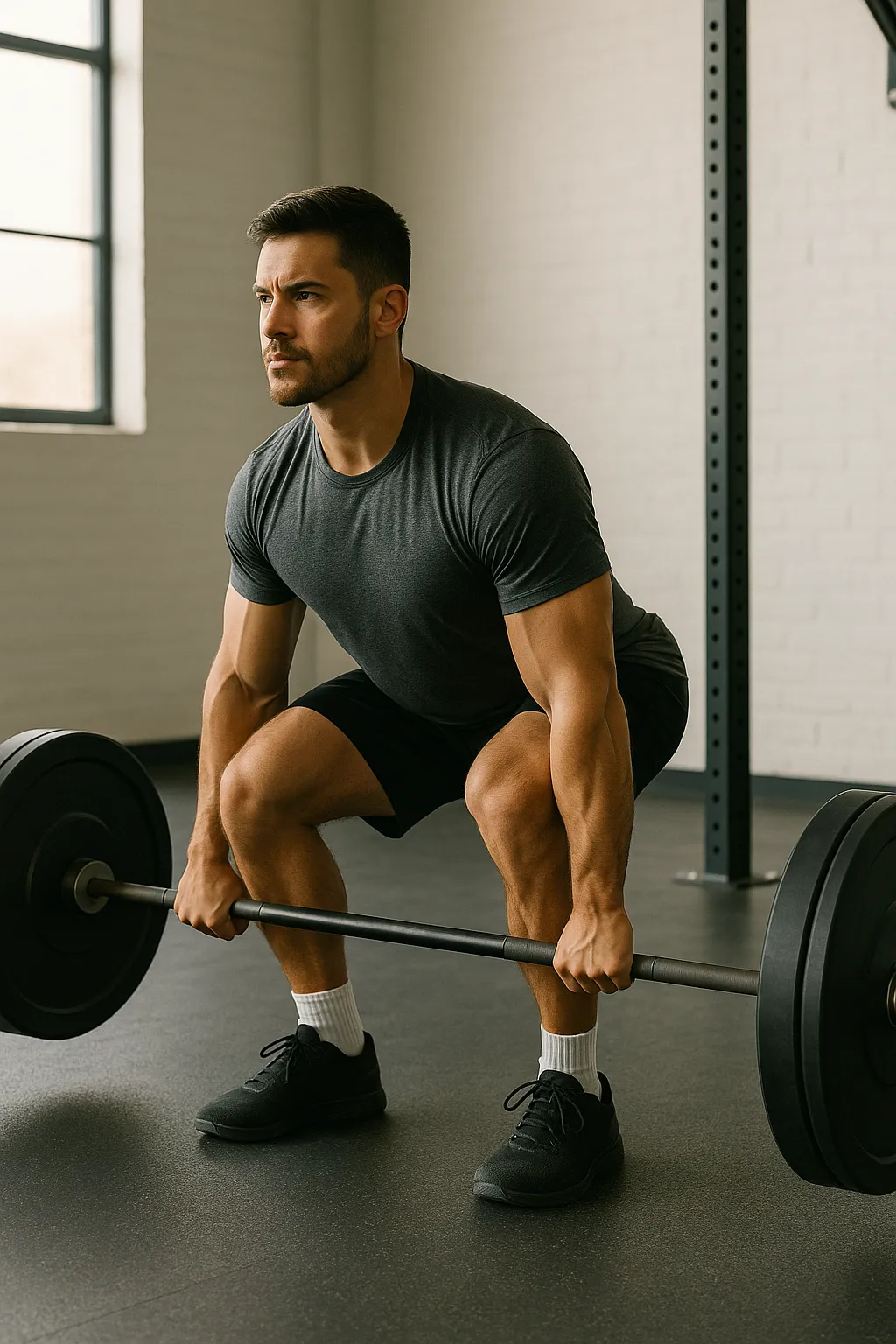
- Deadlifts – posterior chain: glutes, hamstrings, lower back, and traps
- Push-ups – chest, shoulders, triceps, and core
- Pull-ups – lats, biceps, forearms, and shoulders
These differ from isolation exercises, like bicep curls or leg extensions, which target a single muscle group.
Why Compound Movements Matter
- Efficient Training: You work more muscles in less time.
- Greater Calorie Burn: Engaging more muscle means higher energy expenditure.
- Functional Strength: Movements mimic real-life tasks like lifting, pushing, pulling, and jumping.
- Hormonal Boost: Compound lifts are associated with increased production of growth hormone and testosterone, aiding in muscle development and fat loss.
Form and control are key to getting the most out of compound lifts.
Programming Tips
To get the most from compound movements:
- Start with form. Technique matters more than weight, especially for beginners.
- Use them early. Do compound lifts at the beginning of your workout when you’re freshest.
- Pair wisely. Combine a push (like bench press) with a pull (like bent-over row) for balanced development.
If you’re short on time, a workout made up entirely of compound movements can give you full-body benefits in under 30 minutes.
These lifts engage nearly every muscle group when done properly.