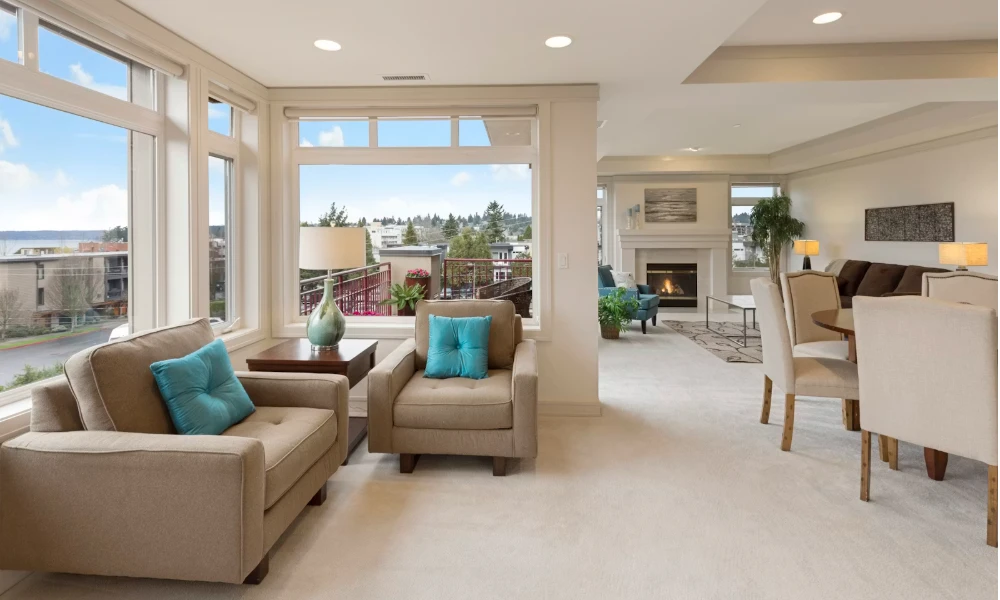
Why Growing Communities Are Attracting Modern Homebuyers
Homebuyers aren't just buying square footage anymore. They're buying into a life, a feeling, a rhythm, a future. That's a fundamental shift, and it's…
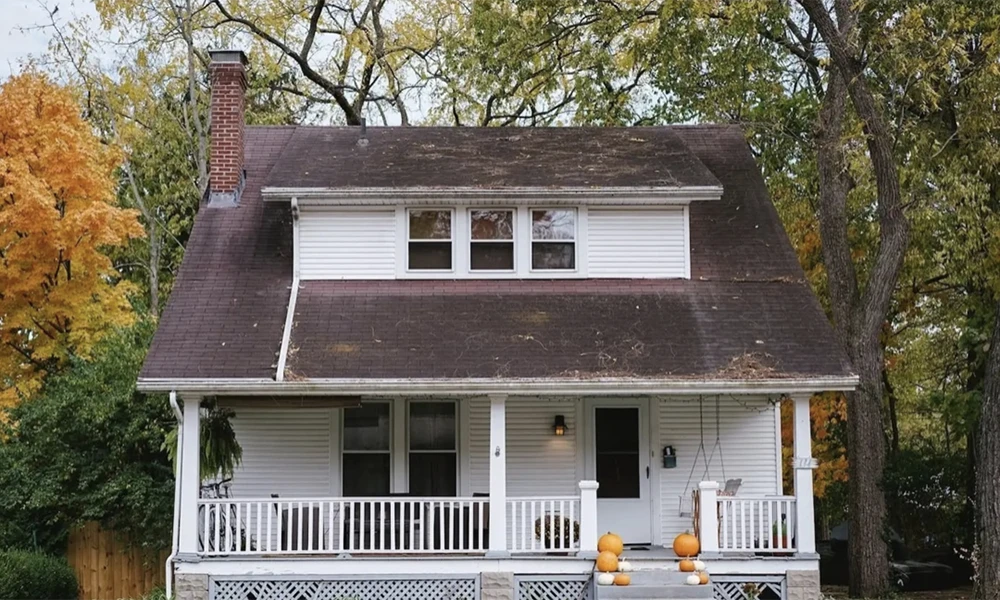
Homebuyers aren't just buying square footage anymore. They're buying into a life, a feeling, a rhythm, a future. That's a fundamental shift, and it's quietly rewriting the rules of how people search for homes, compare neighborhoods, and ultimately decide where to plant roots.
Here's a sobering backdrop: a nationwide shortage of roughly 1.5 million housing units has made affordability a real crisis for millions of families. So naturally, buyers are casting a wider net, moving toward markets where supply is actually being built. Growing communities for homebuyers deliver something most established zip codes genuinely can't: affordability paired with modern design, real amenities, and legitimate long-term upside. All under one roof, so to speak.
What "Growing Community" Actually Means in 2026
Before you can capitalize on this trend, you need to separate the real thing from the marketing spin.
A growing community isn't just a neighborhood with cranes on the horizon. It's a place with measurable population gains, job expansion, active infrastructure investment, and sustained housing demand. Post-pandemic, lifestyle communities real estate transformed almost overnight, remote work culture, wellness priorities, and hunger for outdoor space redrew the map of what buyers consider essential versus optional.
Stagnant neighborhoods, by contrast, offer thin inventory, aging infrastructure, and limited upside. Growing communities consistently outperform on all three counts. That's not opinion, it's a pattern.
The Real Signals That a Community Is Ready to Grow
Genuine homebuyers community growth shows up in specific, trackable ways. New employers relocating to the area. Healthcare systems are expanding. University corridors attracting talent. Tech-sector investment is creating jobs that don't disappear after one economic cycle.
Watch for walkable town centers, mixed-use development, fiber internet rollouts, and upgraded highway access. These aren't creature comforts, they're financial signals. Long-term capital is moving in, and that matters.
Consider what's happening in Auburn, Alabama. The auburn new homes available through Stone Martin Builders, spanning thoughtfully planned communities like Oak Creek and Old Samford, illustrate exactly what this looks like in practice. Anchored by Auburn University and decades of consistent regional growth, these master-planned neighborhoods bring together the amenity-rich design and long-term value that serious buyers are actively seeking across the Southeast.
Who's Actually Buying in These Communities
Identifying a high-growth market is step one. Understanding the people moving in is step two, and it matters more than most buyers realize.
Today's buyers are diverse: millennials with tech salaries, Gen Z first-timers, remote professionals working two time zones away from their employer, growing families trading up, and multigenerational households under one roof. What ties them together? A shared commitment to modern homebuyer trends, they want lifestyle alignment, sustainability, digital convenience, and flexibility built into the home-buying equation.
Most of them research communities exhaustively online before ever scheduling a showing. The implication is significant that a community's digital presence now carries as much weight as what's physically standing on the ground.
The Buyer Trends Reshaping Demand Across Growing Markets
Here's the truth: buyers no longer shop for a house and then evaluate the neighborhood. They shop the neighborhood first and the house second. That's a complete 180 from how real estate operated even a decade ago.
Lifestyle Communities Have Become the Baseline, Not the Bonus
The concept of lifestyle communities in real estate has graduated from a premium differentiator to a buyer expectation. Social programming, organized activities, shared outdoor spaces, these used to be perks. Now they're filters buyers use before they ever pull up a floor plan.
Outdoor-centric living, wellness-oriented design, family-friendly amenities, pet-friendly green space, these aren't glossy brochure language. Buyers are actively screening communities against these criteria.
Sustainability Isn't Optional Anymore
Beyond lifestyle appeal, sustainability has become a genuine purchase driver. Energy-efficient construction, EV charging infrastructure, solar-ready roof systems, and water-conscious landscaping are no longer "nice to have." Buyers are factoring these into offers.
Community-level green features, such as walking trails, greenbelts, and neighborhood gardens, do double duty: they differentiate a development and protect long-term home values in ways that older, fragmented neighborhoods simply cannot match.
The Digital Experience Decides Whether Buyers Engage at All
Even the most beautifully designed community loses buyers if they can't evaluate it smoothly online. Research from Zillow's Senior Sales Director of New Construction confirmed that listings with interactive floor plans drive 40% more page views, 49% more saves, and 47% more shares compared to listings without them (zillow.com). Builders who invest in 3D tours, drone overviews, and interactive site maps aren't just keeping pace; they're winning the first round of buyer consideration before a single door is opened.
Why Amenities Often Matter More Than the Floor Plan Itself
Once a buyer has found a community they're genuinely excited about online, their next deep dive is almost always the amenity package. And what they discover there can close the deal or quietly end the conversation.
Lifestyle communities, real estate,e and homebuyer community amenities are no longer separate discussions. The amenity package now directly shapes both buyer decisions and long-term resale demand in ways that floor plans alone simply can't.
The Amenities Buyers Refuse to Negotiate Away
A recent survey found that 85% of respondents cited "active lifestyle amenities" as their primary reason for wanting to live in a community with walking and biking trails (73%), swimming pools (72%), and fitness centers (71%), landing at the top of the list (privatecommunities.com).
That's not a niche preference. That's a majority of buyers treating these features as a non-negotiable baseline. Layered on top of that, homebuyer community amenities like co-working lounges, EV charging stations, and smart package lockers have become critical draws, particularly for hybrid workers spending more time at home than ever before.
Community as Social Infrastructure
Trails and pools check practical boxes, absolutely. But a growing share of buyers want something harder to quantify: the kind of built-in social fabric that actually turns a development into a neighborhood.
Clubhouses, community event spaces, farmers markets, and regular programming, these elements foster the low-stakes, organic connections that make residents stay longer and report higher satisfaction. Low turnover is a quiet indicator of community health, and it directly supports long-term value and stability.
Education, Safety, and the Practical Stuff That Seals Deals
Social appeal draws buyers in. Every day, practicality makes them stay. Quality school zones, accessible childcare, safe pedestrian infrastructure, smart security features, and proximity to groceries, healthcare, and basic services. These aren't luxury add-ons for busy families. They're dealmakers, full stop.
Growth, Equity, and What Savvy Buyers Are Actually Weighing
After confirming that a community meets its daily needs, buyers inevitably turn to the bigger financial picture. What does homebuyers' community growth actually mean for equity, appreciation, and long-term wealth?
How Growth Translates Into Real Financial Upside
Sustained job creation and population inflows drive home values upward over time; that relationship is well-documented. Early buyers in thoughtfully planned growth markets often see stronger appreciation than buyers in areas without a coordinated development strategy.
The risks worth watching: overbuilding without infrastructure support, or communities that grow without any governing vision, can erode those same gains. Growth and planning have to move together.
Balancing Momentum With Long-Term Livability
Strong appreciation potential is genuinely exciting, but unchecked, rapid growth can chip away at the exact qualities that attracted buyers in the first place. The soundest investments strike a balance between momentum and intentional design: zoning protections, green space requirements, and architectural guidelines that preserve a community's character even as it expands.
Infrastructure and Demographics as Forward Indicators
The most resilient communities are built with future residents in mind, not just current ones. Planned schools, parks, medical access, and commercial nodes signal ga enuine long-term commitment. Mixed-age, mixed-use neighborhoods consistently outperform single-use subdivisions over a 10-to-20-year horizon in prioritizing when evaluating options.
Final Thoughts: Finding the Community Worth Planting Roots In
Choosing the right community is one of the most consequential decisions a buyer makes, financially and personally. The evidence is consistent: growing communities for homebuyers deliver a rare combination of modern amenities, equity potential, and genuine quality of life when you approach the process with the right information.
Ask the hard questions. Use the data available to you. Lean on local experts who understand modern homebuyer trends and what real, sustainable community growth looks like on the ground. Because the right community isn't just a place to live, it's the foundation everything else gets built on.
Common Questions About Growing Communities and Modern Homebuyers
Are growing communities a good fit for first-time buyers?
Genuinely, yes. New construction incentives, competitive early-phase pricing, and strong equity potential make these markets attractive for first-timers, especially where resale inventory remains tight.
Do homes in growing communities hold their value better than older neighborhoods?
They can, particularly when supported by strong planning, consistent employment growth, and ongoing amenity investment. Community vision matters more than age.
How do I know if a lifestyle community actually fits my family?
Visit at different times of day. Talk to residents already living there. Compare the amenity offerings to how you actually live day-to-day. A community that looks great on paper should feel right in person.
Filed underConnection