
The Resilience Factor: Why a Self-Sufficient Home is a Mentally Healthier Home
What if your home could be your sanctuary from both rising costs and rising stress? Self-sufficiency isn't just about growing your own vegetables
What if your home could be your sanctuary from both rising costs and rising stress? Self-sufficiency isn't just about growing your own vegetables or generating your own power. It's really about creating a sense of control and security that profoundly impacts your mental well-being. When you can rely on your own resources and systems, you'll build psychological resilience that extends far beyond the practical benefits.
The Psychology of Control and Mental Health
Having control over your environment directly correlates with reduced stress levels and improved mental health outcomes. When your home provides for your basic needs through self-sufficient systems, you experience what researchers refer to as "environmental mastery." This sense of competence creates a buffer against anxiety and depression.
Studies in environmental psychology show that people who feel more in control of their circumstances report higher life satisfaction and better emotional regulation. A self-sufficient home amplifies this effect by reducing your dependence on external systems that can fail or become unreliable.
The act of creating and maintaining self-sufficient systems also provides what mental health professionals call "behavioral activation." This means engaging in meaningful activities that give you a sense of purpose and accomplishment, which are crucial components of psychological well-being.
Reducing Anxiety Through Energy Independence
Energy bills and power outages create significant stress for millions of households. When you generate your own electricity through renewable sources, you'll eliminate much of this financial and logistical anxiety. The peace of mind that comes from energy independence is huge.
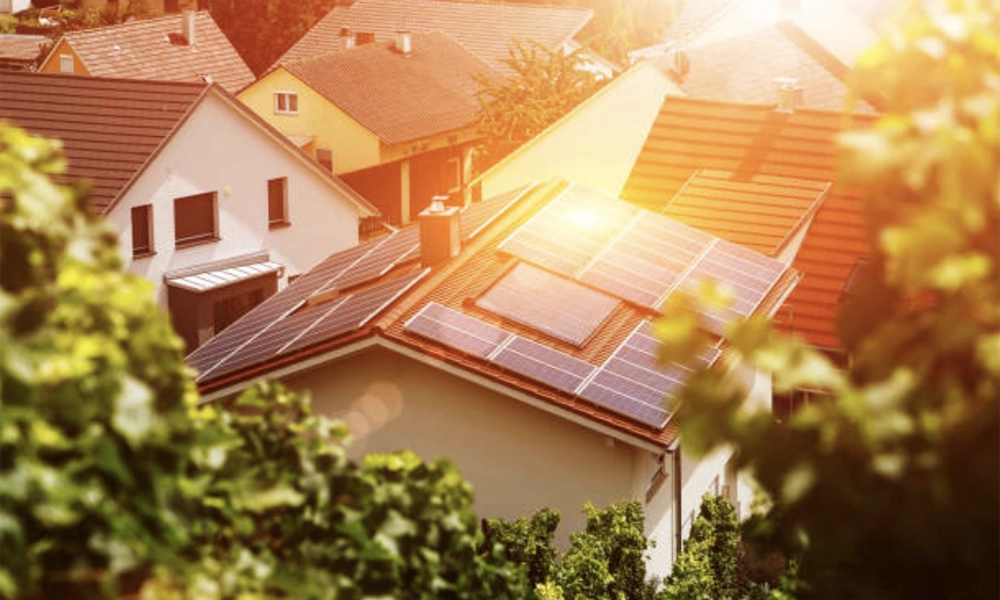
Solar power systems exemplify this benefit perfectly. Beyond the environmental advantages, using solar panels can significantly reduce your carbon footprint, they provide psychological security. You know that even during grid failures or rate increases, your home will continue functioning normally.
Wind power, battery storage systems, and energy-efficient appliances further enhance this independence. Each component reduces your vulnerability to external disruptions while building your confidence in your ability to meet your own needs.
Food Security and Emotional Well-being
Growing your own food connects you to fundamental human activities that our ancestors practiced for millennia. Imagine checking your tomato plants each morning or harvesting fresh herbs for dinner.
Home gardens, even small ones, offer multiple mental health benefits. The physical activity involved releases endorphins and reduces cortisol levels. The planning and nurturing required provide structure and purpose to your days.
The harvest rewards you with tangible results from your efforts. There's something deeply satisfying about eating vegetables you've grown yourself.
Food preservation skills like canning, dehydrating, and fermentation add another layer of security. Picture the satisfaction of opening a jar of homemade jam in winter, knowing you created that preserved sweetness from your own garden.
When you have a well-stocked pantry filled with food you've grown and preserved yourself, you'll feel prepared for disruptions and less anxious about supply chain issues.
Water Independence and Peace of Mind
Reliable access to clean water is fundamental to feeling secure in your home. Installing water collection, filtration, and storage systems removes another source of potential anxiety while giving you greater control over this essential resource.
Rainwater harvesting systems provide backup water supplies during shortages or contamination events. Well water with proper filtration gives you independence from municipal systems.
Even simple improvements like high-quality water filters reduce concerns about water quality. These systems also connect you more deeply to natural cycles and resource management.
This awareness often leads to more mindful consumption patterns and a greater appreciation for natural resources.
The Therapeutic Value of Hands-On Work
Self-sufficiency requires learning practical skills and working with your hands regularly. This type of engagement provides what researchers call "flow states," where you become fully absorbed in meaningful activities.
Building raised garden beds, installing solar panels, or maintaining water filtration systems demand focus and problem-solving. These activities naturally pull your attention away from worries and rumination, providing mental breaks that are crucial for emotional health.
The learning process itself builds confidence and self-efficacy. Each new skill you master reinforces your ability to handle challenges and adapt to changing circumstances.
Community Connections and Shared Resilience
Self-sufficiency doesn't mean isolation. Many of the most successful self-sufficient homeowners actively participate in communities of like-minded individuals who share knowledge, resources, and support.
These communities often form around activities like seed swaps, skill-sharing workshops, and cooperative projects. The social connections formed through these activities provide emotional support and practical assistance when needed.
Sharing surplus from your gardens or helping neighbors with projects creates reciprocal relationships that strengthen community resilience. These connections provide social support networks that are invaluable for mental health.
Financial Stress Reduction
Self-sufficient homes typically have lower ongoing operating costs once initial investments are recovered. Reduced utility bills, food costs, and dependency on external services free up money for other priorities and reduce financial stress.
The predictability of costs also improves mental well-being. When you generate your own power and grow much of your own food, you're less vulnerable to price fluctuations and economic pressures beyond your control.
This financial stability allows you to focus on other aspects of life without constant worry about rising costs or economic uncertainty.
Building Long-term Resilience
Self-sufficiency creates positive feedback loops that strengthen over time. Each successful harvest, each month of reduced utility bills, and each problem solved independently builds confidence in your abilities.
This growing competence creates what researchers call "mastery experiences," which are among the strongest predictors of self-efficacy and emotional resilience. The more capable you become, the better equipped you are to handle future challenges.
The skills and systems you develop also provide security for your family's future. Knowing that you can provide for basic needs regardless of external circumstances creates lasting peace of mind.
Creating Your Self-Sufficient Sanctuary
Starting your journey toward self-sufficiency doesn't require dramatic changes. Begin with small projects that align with your interests and abilities. A container garden, a rain barrel, or energy-efficient appliances can be excellent starting points.
Focus on systems that address your biggest concerns first. If energy costs stress you most, prioritize solar power or energy efficiency improvements. If food security worries you, start with gardening and food preservation.
Remember that self-sufficiency is a process, not a destination. Each step forward increases your resilience and contributes to better mental health through greater control, security, and connection to the resources that sustain you.
Filed underAnxiety, Stress & burnout, Home & garden sanctuary