
Wisdom Tooth Removal in Green River: What to Expect
Wisdom tooth removal in Green River involves crucial steps and choices for a seamless experience; discover what makes this procedure essential for dental…
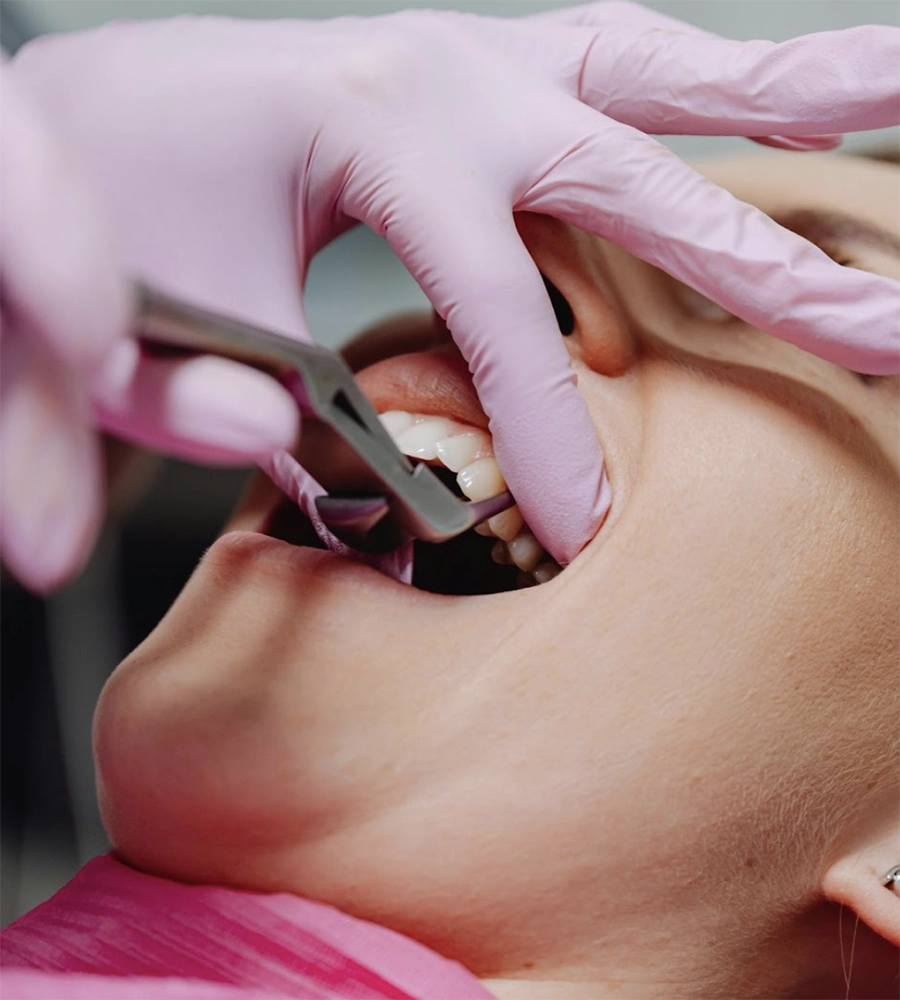
Wisdom tooth removal is a prevalent dental procedure in Green River, typically necessary for addressing impacted or problematic third molars. Patients must first undergo a detailed consultation to assess their specific needs and explore anesthesia choices. A personalized treatment plan will be developed, setting the stage for a successful surgery day. Post-surgery, adhering to recovery guidelines and attending follow-up appointments is vital. Understanding these processes can pave the way for a smoother dental experience.
Understanding the Need for Wisdom Tooth Extraction
Understanding the necessity for wisdom tooth extraction requires an examination of both oral health and anatomical considerations. Wisdom teeth, or third molars, typically emerge during late adolescence. However, due to limited space in the jaw, these teeth often become impacted. Symptoms of impaction include pain, swelling, and infection, which can adversely affect surrounding teeth and gums. An impacted wisdom tooth may also lead to cyst formation or damage to adjacent teeth, compromising oral health.
The impaction of wisdom teeth can cause misalignment, leading to bite irregularities and potential jaw pain. Additionally, the partial eruption of these teeth creates an environment conducive to bacterial growth, increasing the risk of cavities and periodontal disease. Consequently, dentists recommend extraction to mitigate these risks and preserve oral health. Evaluating the position and potential complications of wisdom teeth is essential in determining the necessity for their removal, ensuring favorable dental health outcomes.
Finding the Right Oral Surgeon in Green River
When seeking an oral surgeon in Green River for wisdom tooth removal, one must consider several critical factors to confirm satisfactory care. Foremost, evaluate the surgeon’s qualifications and experience to verify they are equipped to handle potential complications. Additionally, cost considerations play a significant role; it is advisable to compare fees among local practitioners. Seek transparency by requesting detailed estimates that encompass all potential charges, including anesthesia and follow-up visits.
Insurance coverage is another pivotal aspect; confirm the surgeon’s acceptance of one’s insurance plan to mitigate out-of-pocket expenses. It is prudent to verify which procedures are covered and assess if pre-authorization is necessary. For those exploring comprehensive oral surgical services in Green River, reviewing available options can help identify providers who match your care expectations. Moreover, patient reviews and recommendations can provide insights into the surgeon’s reputation and patient satisfaction levels.
Preparing for Your Initial Consultation
Before attending the initial consultation for wisdom tooth removal in Green River, patients should meticulously prepare to guarantee a productive meeting. Effective pre-appointment planning involves gathering exhaustive medical and dental histories, including any current medications, allergies, and previous surgical experiences. Ensuring that all relevant information is available will assist the oral surgeon in crafting a personalized treatment plan.
Patients should verify insurance coverage details to understand the extent of financial responsibility. Contacting the insurance provider ahead of time to clarify coverage specifics for wisdom tooth extraction, as well as inquiring about any required pre-authorization, will prevent unexpected expenses.
Additionally, compiling a list of questions and concerns about the procedure can facilitate a thorough discussion during the consultation. This organized approach not only optimizes communication with the oral surgeon but also provides patients with a clear understanding of the upcoming process, reducing anxiety and enhancing preparedness for the procedure.
Discussing Anesthesia Options
What anesthesia options are available for wisdom tooth removal? Patients typically have two primary choices: local and general anesthesia. Local anesthesia involves administering a specific dosage directly to the surgical site to numb the area, allowing the patient to remain conscious but pain-free during the procedure. The dosage is carefully calculated based on the patient’s medical history and the complexity of the extraction.
On the other hand, general anesthesia benefits patients by rendering them completely unconscious, making it suitable for individuals with heightened anxiety or those undergoing multiple extractions. This method requires monitoring critical signs throughout the surgery to safeguard the patient. The choice between local and general anesthesia depends on various factors, including patient preference, medical history, and the anticipated difficulty of the wisdom tooth removal. Consulting with a dental professional allows patients to make informed decisions, optimizing the overall experience and outcomes of the procedure.
The Day of Your Surgery: What to Expect
On the day of surgery, patients can expect a structured sequence of events designed to guarantee safety and efficacy. Arriving early is paramount to accommodate any unforeseen delays and to ensure adequate preparation time. Upon arrival, patients undergo the check-in process, which involves verifying personal identification and confirming medical history and insurance details. This step is pivotal for the surgical team to have accurate and updated information.
Following check-in, patients are escorted to a pre-operative area where they receive detailed instructions about the procedure. Indispensable signs, including blood pressure, pulse, and temperature, are monitored to establish a baseline and ensure stability. Patients are then introduced to the surgical team, including the oral surgeon, who will review the procedure and answer any remaining questions. Consent forms are signed, affirming the patient’s understanding and agreement to proceed. This extensive approach ensures that patients are well-prepared and confident before entering the operating room.
Pain Management and Medication
Effective pain management following wisdom tooth extraction is critical for a smooth recovery process. Patients are advised to adhere to specific medication timing guidelines to optimize analgesic efficacy and minimize discomfort. Additionally, implementing strategies to manage swelling can markedly enhance overall healing outcomes.
Post-Procedure Pain Relief
How does one effectively manage pain following wisdom tooth removal? Effective post-procedure pain relief hinges on a combination of pain management techniques and discomfort mitigation strategies. For ideal results, patients should adhere to recommended practices:
- Cold Compress Application: Applying a cold compress intermittently for the first 24-48 hours can substantially reduce swelling and numb the area, providing immediate relief.
- Elevated Head Position: Keeping the head elevated, especially when sleeping, minimizes blood flow to the surgical site, reducing both swelling and discomfort.
- Soft Diet and Hydration: Consuming soft foods and maintaining adequate hydration prevents irritation of the surgical area, facilitating smoother recovery.
These methods are indispensable in ensuring a comfortable recovery phase while minimizing reliance on medication. Each strategy plays a fundamental role in managing post-operative pain effectively.
Medication Timing Guidelines
When should medications be taken to optimize pain relief following wisdom tooth extraction? It is vital to adhere to a structured medication schedule. Pain relief is typically managed using a combination of nonsteroidal anti-inflammatory drugs (NSAIDs) and acetaminophen. Patients are advised to take the initial dose of NSAIDs approximately 30 minutes before the local anesthetic wears off. Subsequent doses should follow the prescribed medication dosage intervals, usually every 6-8 hours. Acetaminophen can be taken in conjunction but should not exceed the recommended daily dose to prevent toxicity. Understanding potential medication interactions is essential, especially if other prescriptions are involved. Careful coordination with healthcare providers guarantees effective pain management while reducing the risk of adverse interactions and side effects.
Managing Swelling Effectively
Alongside managing pain, addressing swelling is a significant component of recovery following wisdom tooth extraction. Swelling typically peaks 48 to 72 hours post-surgery and can be effectively minimized through specific measures. An efficient approach involves:
- Applying Cold Compresses: Initial 24-48 hours post-extraction, applying cold compresses intermittently (20 minutes on, 20 minutes off) is essential. This method constricts blood vessels, aiding in reducing inflammation and preventing excessive swelling.
- Elevating the Head: Maintaining an elevated sleeping position helps decrease fluid accumulation in the surgical area, further contributing to swelling reduction.
- Adhering to Medication Protocols: Nonsteroidal anti-inflammatory drugs (NSAIDs) may be recommended to reduce inflammation. Compliance with prescribed medication regimens guarantees ideal swelling control and facilitates a smoother recovery process.
Post-Operative Care and Recovery Tips
Post-operative care following wisdom tooth removal is essential for ideal recovery and to minimize complications. Patients should prioritize maintaining oral hygiene to prevent infections. This involves gently rinsing the mouth with a saline solution or prescribed oral rinse starting 24 hours after the procedure. Brushing should be approached with care, avoiding the surgical site to prevent dislodging the blood clot, which is indispensable for healing.
Monitoring recovery progress is equally important. Patients should observe for signs of normal healing, such as gradual reduction in swelling and discomfort. However, symptoms like persistent pain, excessive bleeding, or unusual swelling may indicate complications, necessitating prompt consultation with a dental professional.
Additionally, managing post-operative discomfort can be achieved through prescribed medications and applying cold compresses during the initial 24-48 hours. Maintaining an elevated head position while resting can also aid in reducing swelling and promoting effective drainage from the surgical site.
Dietary Guidelines After Surgery
Post-operative dietary guidelines following wisdom tooth removal emphasize the consumption of soft foods to minimize discomfort and facilitate healing. Patients are advised to maintain adequate hydration, which is imperative for tissue recovery and overall health. It is important to avoid foods that require extensive chewing or could disrupt the surgical site, as these may impede the healing process.
Soft Foods Recommendations
Following wisdom tooth extraction, a carefully curated diet of soft foods is essential to facilitate healing and minimize discomfort. Patients should focus on nutrient-rich options that require minimal chewing and avoid irritating the surgical site. Recommended soft foods include:
- Pureed Soups: These provide essential nutrients and hydration while being easy to consume. Ensure the soup is lukewarm to prevent thermal injury to the sensitive area.
- Smoothie Recipes: Smoothies offer a versatile way to incorporate fruits, vegetables, and proteins. They should be blended to a smooth consistency, avoiding seeds and nuts which might lodge in extraction sites.
- Mashed Vegetables: Vegetables such as potatoes or carrots can be boiled and mashed, offering vitamins and minerals without causing irritation.
These options support recovery while maintaining nutritional intake.
Hydration and Healing
Ensuring adequate hydration plays a vital role in the healing process after wisdom tooth extraction. Proper hydration supports tissue repair, aids in maintaining ideal blood flow, and reduces the risk of complications such as dry socket. Patients are advised to consume clear, non-caffeinated liquids, such as water, broth, and herbal teas, to promote expedited healing. These fluids should be consumed at a lukewarm temperature to avoid irritating the surgical site. Additionally, the use of straws should be avoided, as the suction can dislodge the blood clot essential for healing. Monitoring fluid intake is imperative, as dehydration can hinder recovery and exacerbate post-operative symptoms. By adhering to these hydration guidelines, patients can enhance their recovery process and achieve optimal surgical outcomes.
Recognizing and Addressing Potential Complications
When complications arise after wisdom tooth removal, prompt recognition and management are imperative to guarantee patient recovery and comfort. Recognizing early signs of issues such as infection, bleeding, or nerve damage is vital. Infection prevention should be prioritized through adherence to postoperative care instructions, including maintaining oral hygiene and using prescribed antimicrobial mouthwashes.
Potential complications include:
- Infection: Symptoms such as swelling, persistent pain, and fever necessitate immediate evaluation. Antibiotic therapy may be required to address bacterial invasion.
- Nerve damage: Symptoms like numbness or tingling in the lips, tongue, or chin should be promptly assessed. Nerve damage prevention involves careful surgical technique and monitoring.
- Dry socket (alveolar osteitis): This condition manifests as severe pain and requires timely intervention by a dental professional to relieve symptoms and promote healing.
Proactive measures and vigilant monitoring can greatly reduce the risks associated with wisdom tooth removal, ensuring superior patient outcomes.
Follow-Up Appointments and Long-Term Care
How essential are follow-up appointments in the recovery process after wisdom tooth extraction? These appointments are critical for ensuring proper healing and identifying any early signs of complications. Follow-up appointment scheduling typically occurs within one to two weeks post-extraction. During these visits, dental professionals assess the surgical site for infection, proper clot formation, and overall healing progress. They also provide tailored advice on oral hygiene practices to prevent postoperative issues.
Long-term oral health monitoring is equally significant in maintaining the integrity of the surrounding teeth and gums. Routine dental check-ups, beyond the immediate recovery phase, are advised to monitor for any shifts in tooth alignment or jaw discomfort that may arise as a result of the extraction. Continuous evaluation helps in preemptively addressing potential long-term complications, ensuring sustained oral health. Consequently, follow-up appointments and ongoing monitoring form an integral part of extensive dental care post-wisdom tooth removal.
Frequently Asked Questions
Can Wisdom Teeth Removal Affect My Speech Temporarily?
Wisdom teeth removal can temporarily affect speech due to swelling and discomfort in the mouth. This impact is typically short-lived, aligning with the initial phase of the recovery timeline. Effective pain management strategies, such as prescribed medications and cold compresses, play a pivotal role in alleviating discomfort, thereby aiding quicker speech normalization. Patients generally experience improvement within a few days, although complete recovery may extend up to two weeks, depending on individual healing rates.
How Does Wisdom Tooth Removal Impact Facial Structure?
Wisdom tooth removal can have a notable impact on facial structure, particularly affecting jaw alignment. Post-extraction, the jaw may adjust to the absence of teeth, potentially altering its alignment. This adjustment can sometimes lead to or exacerbate temporomandibular joint (TMJ) issues, causing discomfort or pain. The overall impact varies depending on individual anatomical factors and the complexity of the extraction procedure. Monitoring and follow-up with dental professionals are advised to manage these outcomes.
Are There Any Alternative Treatments to Extraction?
When considering non-surgical treatments as alternative extraction methods for wisdom teeth, options are limited. Some approaches may include monitoring asymptomatic teeth through regular dental check-ups or employing orthodontic interventions to create space. However, these methods are typically only viable under specific conditions where the teeth are not impacted or causing pain. Ultimately, surgical extraction remains the most definitive solution for problematic wisdom teeth due to its thorough addressing of potential complications.
Can Wisdom Teeth Removal Affect My Sinuses?
Wisdom teeth removal can potentially affect the sinuses, especially if the upper teeth are involved. The proximity of upper wisdom teeth to the maxillary sinuses means that extraction can lead to sinus pressure or even sinus infections. In some cases, the removal process may create a small opening between the mouth and sinus cavity, leading to complications. Post-operative care is essential to mitigate these risks and promote proper healing of the affected area.
Is It Possible for Wisdom Teeth to Grow Back After Removal?
The current question addresses the potential for wisdom teeth to regrow following removal. In humans, wisdom teeth do not exhibit growth cycle patterns that allow for regrowth once they are extracted. Tooth development is a one-time process, without regenerative capability. After removal, the long term dental effects primarily focus on improved oral health and alleviated crowding. The absence of regrowth contributes positively to the stability of the dental arch and overall mouth health.
Filed underAnxiety, Heart health, Injury & recovery, Dental, Herbal medicine, Sleep, Spa