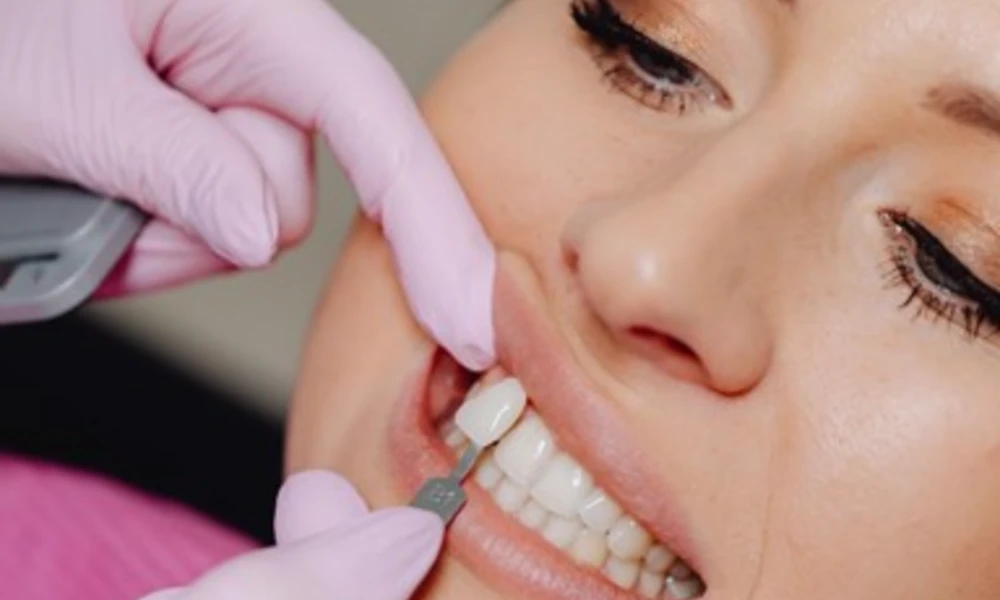
What Happens During a Routine Dental Exam
Learn what to expect during a routine dental examination, from cleaning to X-rays and oral health checks. Stay prepared for your next visit.
A routine dental examination is an essential part of maintaining good oral health. Many people feel unsure or even anxious about what actually happens during a dental visit. However, understanding the process can make the experience much more comfortable and predictable. Regular checkups not only help keep your teeth clean but also allow dentists to detect early signs of potential problems before they become serious.
During a standard dental appointment, several important steps take place, including cleaning, examination, and sometimes diagnostic imaging. Each step plays a vital role in protecting your teeth and gums. By knowing what to expect, you can approach your next dental visit with confidence and peace of mind.
Initial Consultation and Medical History Review
At the start of your appointment, the dental team usually begins with a brief consultation. This step involves reviewing your medical and dental history. If you are a new patient, you may need to fill out forms about your overall health, medications, allergies, and previous dental treatments. This information helps the dentist understand any underlying conditions that may affect your oral health.
Even if you are a returning patient, the dentist may ask about any recent changes in your health. For example, conditions like diabetes or new medications can impact your gums and teeth. Open communication is important here. If you have experienced pain, sensitivity, or discomfort, this is the right time to mention it.
This step may seem simple, but it plays a key role in personalizing your dental care. It allows the dentist to tailor the examination and treatment plan based on your specific needs.
Professional Dental Cleaning
One of the most noticeable parts of a routine exam is the professional cleaning. A dental hygienist usually performs this procedure before the dentist begins the examination. The goal is to remove plaque, tartar, and stains that regular brushing and flossing cannot eliminate.
The process starts with scaling, where specialized tools are used to remove hardened plaque from the surface of your teeth and along the gumline. While this may produce a scraping sound, it is generally painless. Next, the hygienist polishes your teeth using a gritty paste and a rotating brush. This helps remove surface stains and leaves your teeth feeling smooth.
After polishing, flossing is done to clean between your teeth thoroughly. Finally, a fluoride treatment may be applied to strengthen your enamel and protect against cavities. This entire cleaning process not only improves your smile but also prevents gum disease and tooth decay.
Comprehensive Oral Examination
Once your teeth are clean, the dentist performs a detailed oral examination. This step focuses on identifying any issues that may not be visible to you. The dentist carefully checks your teeth, gums, tongue, and other soft tissues inside your mouth.
They look for signs of cavities, gum inflammation, and enamel wear. Gum health is especially important, as early-stage gum disease can develop without obvious symptoms. The dentist may use a small probe to measure the depth of the spaces between your teeth and gums. Healthy gums usually have shallow pockets, while deeper pockets may indicate gum disease.
During this stage, your bite alignment is also evaluated. Misalignment can lead to uneven wear on your teeth or jaw discomfort. Identifying such issues early helps prevent more complex problems later.
If you are visiting a trusted Dentist in Victoria Hills, Kitchener you can expect a thorough and patient-focused examination that prioritizes both comfort and accuracy.
Dental X-Rays and Diagnostic Tools
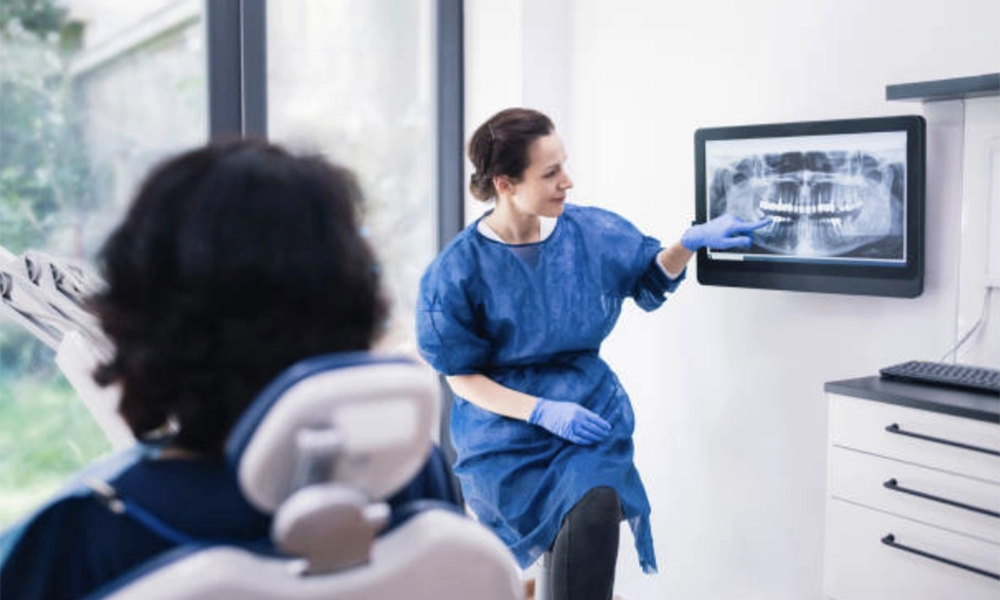
In many cases, dental X-rays are taken as part of a routine examination. These images allow the dentist to see areas that are not visible during a standard visual inspection. For example, X-rays can reveal cavities between teeth, impacted teeth, bone loss, and infections below the gumline.
The frequency of X-rays depends on your individual needs and oral health history. If you have a history of dental issues, your dentist may recommend them more often. Otherwise, they may only be taken once a year or less.
Modern dental clinics use advanced digital X-ray technology, which reduces radiation exposure and provides instant results. This makes the process safer and more efficient. In addition to X-rays, some clinics may use intraoral cameras to give you a closer look at your teeth and help you better understand your oral condition.
Discussion of Findings and Treatment Recommendations
After completing the examination, the dentist discusses their findings with you. This is an important part of the visit because it helps you understand your current oral health status. The dentist explains any issues they have identified, such as cavities, gum problems, or signs of wear.
If treatment is needed, they will outline the available options. For example, you may need a filling, a deep cleaning, or further evaluation for orthodontic concerns. The dentist also prioritizes treatments based on urgency, helping you decide what should be addressed first.
This is also a great time to ask questions. Whether you are curious about a procedure or want advice on improving your oral hygiene routine, the dentist can provide clear and practical guidance. Good communication ensures that you feel informed and confident about your dental care decisions.
Preventive Advice and Oral Care Tips
Before your appointment ends, the dental team often provides personalized oral care advice. Preventive care is a major focus of routine dental visits, as it helps you maintain healthy teeth between appointments.
You may receive tips on proper brushing and flossing techniques, as well as recommendations for dental products like toothbrushes, toothpaste, or mouthwash. If you have specific concerns, such as sensitivity or bad breath, the dentist can suggest targeted solutions.
Dietary advice may also be included. Foods and drinks high in sugar or acid can damage your teeth over time. Making small changes to your eating habits can significantly improve your oral health. Regular dental visits, combined with good daily habits, create a strong foundation for a healthy smile.
Conclusion
A routine dental examination is a straightforward and essential process that supports long-term oral health. From the initial consultation to cleaning, examination, and preventive advice, each step is designed to keep your teeth and gums in excellent condition. Understanding what happens during the visit can help reduce anxiety and encourage regular checkups.
By staying consistent with your dental appointments and following professional advice, you can prevent many common dental problems. In the long run, routine exams save time, money, and discomfort by addressing issues early. Taking care of your oral health today ensures a healthier and more confident smile for the future.
Filed underDental