5 Types Of Addiction Women In The U.S. Are Facing Today
Addiction does not show up the same way for every woman, and it rarely announces itself clearly at the start. It tends to blend into everyday life,…
Addiction does not show up the same way for every woman, and it rarely announces itself clearly at the start. It tends to blend into everyday life, especially for women who are juggling work, parenting, relationships, and expectations that never really let up. What starts as something manageable can shift over time into something that quietly takes more than it gives back. The reality is that many women are dealing with patterns that deserve attention, not judgment, and there are real paths forward that do not require perfection to begin.
Alcohol Use Patterns
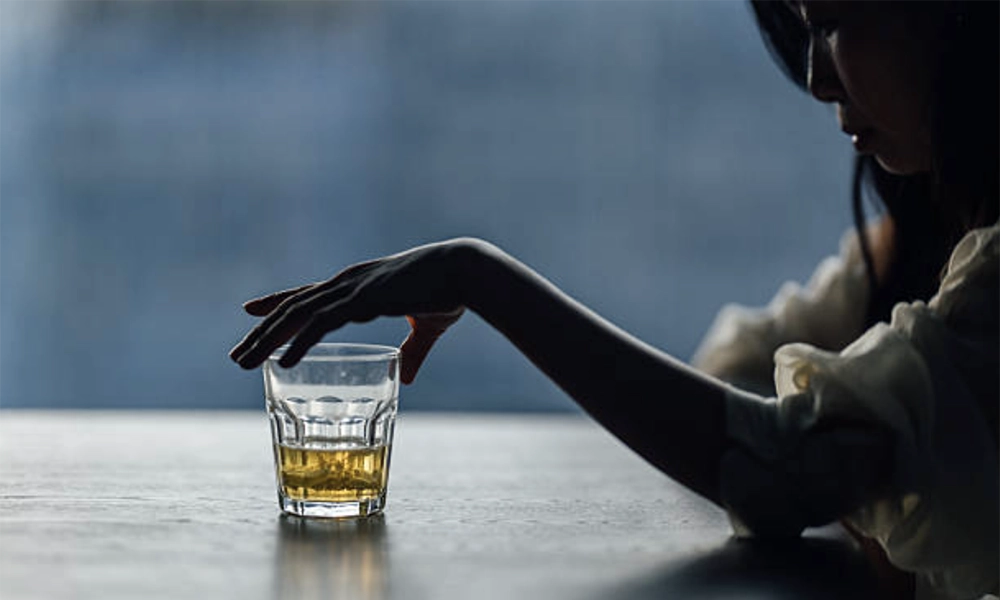
Alcohol often sits in plain sight, which makes it easy to underestimate how quickly it can become a problem. For many women, it begins as a way to unwind after a long day or to take the edge off stress that feels nonstop. Over time, tolerance builds, and what once felt like a small habit becomes something that feels necessary just to get through the evening.
There is also a social layer that makes alcohol harder to step back from. It is tied to gatherings, celebrations, and even self care in a way that can blur the line between casual use and dependency. When someone starts to notice that they are drinking more than intended or feeling uneasy without it, that is usually the point where change becomes worth considering.
Treatment options have evolved, and alcohol rehab for women only can be a lifeline for those who need a space that understands the emotional and social pressures unique to women. These programs often address underlying stress, trauma, and relationship dynamics alongside the physical side of recovery, which makes the process feel more relevant and less isolating.
Prescription Medication Dependence
Prescription medications can feel safe because they come from a doctor, but that sense of safety can be misleading. Pain relievers, anti anxiety medications, and sleep aids are common starting points, especially for women dealing with chronic pain, anxiety, or exhaustion that never seems to lift.
The shift from use to dependence is not always obvious. A dosage increases slightly, refills happen a bit sooner, and suddenly the body begins to rely on something that was meant to help temporarily. This can lead to a cycle that feels difficult to break, especially when the original issue has not fully resolved.
Recovery in this area often involves a careful, structured approach. Medical support matters here because stopping suddenly can be uncomfortable and, in some cases, unsafe. Beyond that, long term change usually depends on finding alternative ways to manage pain, stress, or sleep without relying on medication as the only solution.
Opioid Addiction
Opioid addiction has affected women across different age groups and backgrounds, often beginning with legitimate medical use. An injury, a surgery, or chronic pain can lead to a prescription that feels helpful at first but gradually creates a deeper dependency.
What makes opioids especially difficult is how strongly they affect both the body and the mind. They can create a sense of relief that goes beyond physical pain, which makes stepping away feel like losing a coping tool that once worked. Over time, though, that relief becomes harder to maintain, and the risks increase.
Treatment usually requires a combination of medical care and ongoing support. Medication assisted approaches can help stabilize the body, while therapy works through the emotional side of dependence. Many women find that recovery becomes more manageable when they are not trying to power through it alone.
Stimulant Misuse
Stimulants are often tied to productivity, which makes them particularly tricky. They can be prescribed for attention issues, but they are also misused for energy, focus, or even weight management. In a culture that pushes constant output, it is easy to see how this can escalate.
At first, the effects can feel helpful. More energy, sharper focus, a sense of control over a busy schedule. Over time, though, the body starts to push back. Sleep becomes inconsistent, anxiety increases, and crashes become harder to manage. What once felt like a solution starts creating new problems.
Recovery here often involves resetting both physical and mental patterns. That can mean rebuilding sleep habits, addressing underlying pressure to perform, and learning how to manage expectations without relying on a substance to keep up. It is less about slowing down completely and more about finding a pace that does not come at a cost.
Sedatives And Anti Anxiety Drugs
Sedatives and anti anxiety medications are widely used, and for good reason. They can provide real relief in the short term. The challenge comes when short term turns into long term reliance, especially during periods of sustained stress or emotional strain.
Women are often prescribed these medications at higher rates, and many are balancing multiple responsibilities that keep stress levels elevated. When a medication offers relief, it can feel like the only thing keeping everything together. Over time, though, dependence can build, and stopping can feel intimidating.
This is where prescription drug abuse becomes a concern, even when the original use was appropriate. Recovery usually involves a gradual taper with medical guidance, along with support that addresses the reasons the medication became necessary in the first place. That might include therapy, lifestyle adjustments, or stress management strategies that feel realistic rather than overwhelming.
Finding A Way Forward
Recovery is rarely a straight line, and it does not need to be. What matters is recognizing when something is no longer working and being willing to look at options that support change. For many women, that starts with understanding that they are not alone in what they are experiencing and that support exists in forms that actually fit their lives.
Filed underAnxiety, Stress & burnout, Chronic pain, Addiction & alcohol, Sleep