Living with an anxiety disorder can feel like carrying an invisible weight. Everyday tasks become daunting, and even moments of calm can be fleeting. The body may remain stuck in a heightened state of alert, producing an adrenaline rush that makes ordinary situations feel threatening.
This emotional strain can lead to unhealthy coping mechanisms, including addiction. The relationship between anxiety and addiction is complex. Each can feed into the other, creating a cycle that feels impossible to break. But healing is possible, and it often starts with small, intentional steps.
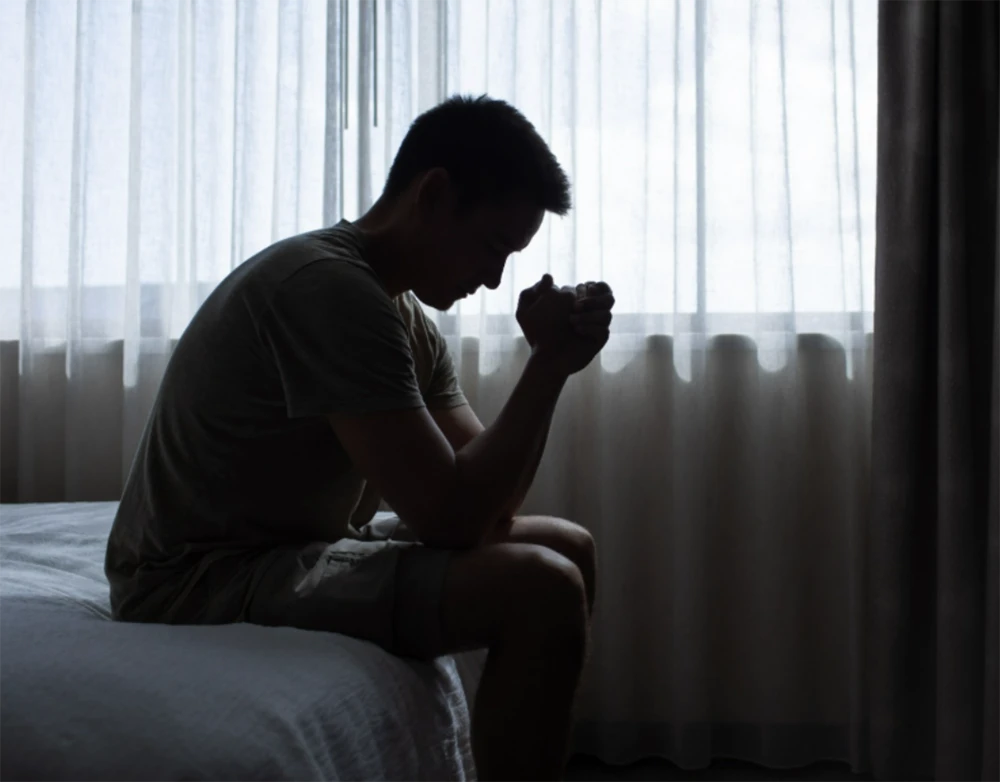
Understanding the Connection of Anxiety and Addiction
An anxiety disorder is more than occasional worry. It can settle into a constant feeling of tension or unease that disrupts daily life and makes ordinary moments feel heavy. In some cases, it can lead to panic attacks or other intense physical symptoms. For many people, anxiety is tied to an overactive fight or flight response, causing the body to stay on high alert even when no immediate danger exists. A medical diagnosis can help clarify these reactions, particularly when they are linked to past traumatic experiences.
When this mental health condition becomes overwhelming, some individuals turn to substances such as alcohol or drugs, while others rely on compulsive behaviors like gambling or overeating. These choices are often attempts to numb emotions, slow racing thoughts, or escape ongoing stress. Although this may offer short-term relief, continued reliance can develop into addiction.
Addiction then intensifies anxiety rather than easing it. For example, alcohol abuse disorder can disrupt sleep and increase tension. It can also worsen feelings of restlessness or fear. Withdrawal symptoms, social consequences, and the physical toll of substance use often make anxiety more severe.
Breaking this cycle requires addressing both mental issues at the same time. It also involves recognizing the underlying biological and emotional factors that connect them. You can read more on this blog post about the presence of alcohol addiction and how it contributes to these patterns.
Small Steps Make a Big Difference
Healing from anxiety and addiction does not happen through sudden or dramatic transformations. It grows out of steady, intentional actions that feel manageable over time. Lasting change is built through repetition, patience, and a willingness to keep moving forward, even when progress feels slow. The following approaches focus on practical steps that support both emotional stability and recovery.
Recognize and Accept Your Feelings
The recovery process begins with honest self-awareness. Paying attention to anxiety, cravings, or emotional discomfort without judging or labeling them as failures helps reduce shame and defensiveness. Writing down your thoughts and sharing them with a trusted loved one can provide clarity, validation, and relief.
Acceptance doesn’t mean condoning harmful behaviors. Instead, it involves acknowledging your reality and creating a foundation for meaningful change. By recognizing and accepting your feelings, you build the awareness necessary to understand your condition. This step is often the first in developing treatment plans.
Seek Professional Support
Recovery is easier when you get treatment from qualified mental health professionals, who provide structure and personalized interventions. These methods address both anxiety and addiction effectively. Here are some evidence-based strategies they commonly use:
- Cognitive behavioral therapy (CBT): This approach focuses on how thoughts shape emotions and behaviors. Identifying and challenging unhelpful thinking patterns can reduce anxiety and interrupt compulsive responses.
- Mindfulness-based approaches: Rather than reacting automatically, mindfulness teaches patients to be aware of their thoughts, emotions, and physical sensations. Techniques such as breathing and meditation support stress reduction and improve impulse control.
- Individual counseling: One-on-one counseling provides a private space to explore personal triggers and emotional challenges. Therapists help develop coping strategies that align with individual goals and recovery needs.
- Peer support group therapy: Connecting with others who share similar experiences can reduce isolation and shame. Group settings encourage mutual support, accountability, and the development of healthy communication skills.
- Outpatient rehab program: This structured treatment provides patients with the opportunity to continue their daily responsibilities. The program offers consistent therapy and guidance, allowing recovery skills to be practiced in real-life situations.
- Medication management (if applicable): In some cases, medication may help manage anxiety symptoms or support addiction recovery. Psychiatrists or other prescribing providers monitor progress to ensure safety and effectiveness.

Each patient has unique needs, experiences, and challenges that require comprehensive guidance and treatment. That’s why it’s important to find a mental health center that provides personalized care and expert support, making it both sustainable and effective.
Develop Healthy Coping Mechanisms
Developing alternatives to addictive behaviors is essential for managing anxiety. Techniques such as deep breathing, meditation, yoga, or other forms of physical activity help calm the nervous system and improve emotional regulation. Creative outlets like painting, writing, or music provide meaningful ways to process feelings and express oneself.
The goal isn’t to eliminate anxiety completely. Instead, it’s about learning to respond differently. When used consistently, healthy coping skills can become automatic responses. Each successful use reinforces your sense of self-efficacy. It also builds confidence in your ability to manage triggers, even in difficult situations.
Create a Structured Routine
Establishing a daily routine provides a sense of stability when emotions feel unpredictable. Regular schedules for meals, sleep, work, and movement help regulate the nervous system. They also improve focus and reduce decision fatigue.
Consistent routines create natural boundaries, limiting unstructured time that may increase exposure to triggers. Over time, having predictable patterns gives the mind a greater sense of control and supports emotional freedom. This allows individuals to respond to challenges with clarity and calm rather than impulsively. Incorporating enjoyable activities, self-care practices, and scheduled downtime further reinforces balance and overall well-being.
Celebrate Small Wins
Progress in recovery is often subtle and easy to overlook, but determining even minor achievements can have a powerful impact. Pausing before reacting, choosing healthier coping strategies, or simply committing to daily self-care are meaningful steps that reinforce resilience.
Celebrating these victories builds motivation and strengthens confidence, helping maintain momentum. Support from family wellness programs can enhance this process by providing encouragement, accountability, and shared reinforcement. Acknowledging effort rather than perfection shifts focus toward persistence, helping recovery feel achievable and sustainable.
Final Thoughts
Recovery from anxiety and addiction rarely follows a straight path. There may be periods of growth alongside moments of frustration or relapse. Responding to these fluctuations with patience and self-compassion helps prevent discouragement.
While setbacks may occur, they don’t define the journey. And don’t forget to seek professional help during these difficult moments. They can be your shoulder to lean on, alongside your loved ones. With steady actions, supportive resources, and realistic expectations, it’s possible to regain stability, strengthen self-trust, and experience greater emotional calm.
- About the Author
- Latest Posts

Our Editorial Team are writers and experts in their field. Their views and opinions may not always be the views of Wellbeing Magazine. If you are under the direction of medical supervision please speak to your doctor or therapist before following the advice and recommendations in these articles.