Mental Health Begins in the Cells
I often remind clients that mental health does not start in the mind. It begins in the cells. The brain is nearly eighty percent water, richly vascular, and metabolically demanding. It is exquisitely sensitive to hydration, inflammation, oxidative stress, and blood sugar stability. When these foundations are compromised, mood follows.
A whole food, high carbohydrate, fruit and vegetable centred raw diet addresses these foundations directly. Not symbolically. Biologically.
Hydration as a Nervous System Nutrient
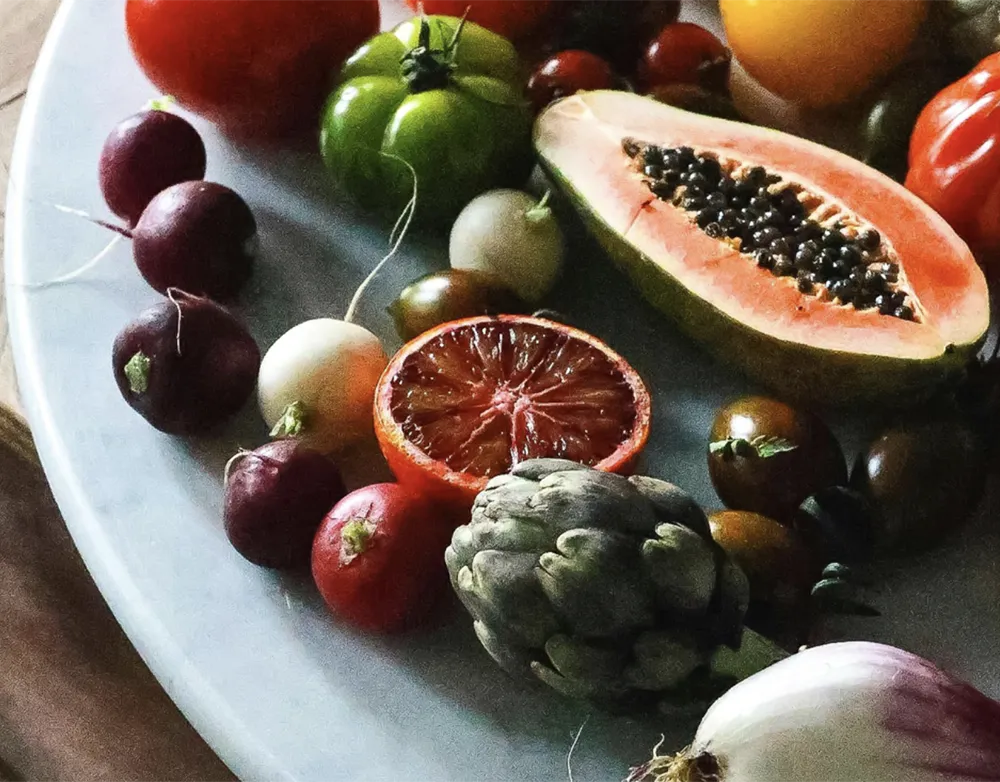
We tend to think of hydration as something you manage with a bottle of water. In reality, the body hydrates best through water bound within foods. Fresh fruits and vegetables provide structured water that enters the cells efficiently, supporting circulation, lymphatic flow, and brain perfusion.
Chronic low grade dehydration is associated with fatigue, anxiety, irritability, and difficulty concentrating. Imagine trying to think clearly while mildly dehydrated. Now imagine that state stretched over years.
Raw fruits such as oranges, berries, melons, mangoes, and grapes deliver hydration alongside glucose, minerals, and antioxidants. This combination supports the nervous system far more effectively than stimulants or supplements.
High Carbohydrate Diets and Serotonin
Carbohydrates are not the enemy of mental health. They are one of its great allies.
Serotonin, a neurotransmitter central to mood regulation, calmness, and emotional resilience, depends on carbohydrate intake to function optimally. Carbohydrates help the amino acid tryptophan cross into the brain, where it can be converted into serotonin.
This is one reason people instinctively crave carbohydrates during times of emotional stress or hormonal fluctuation. The body is asking for regulation, not punishment.
Whole fruits and vegetables provide carbohydrates in their most intelligent form. They are fibre rich, naturally sweet, and slow to digest. Blood sugar rises gently rather than sharply, which reduces anxiety and emotional volatility.
Antioxidants and the Depressed Brain
Depression is increasingly understood as an inflammatory and oxidative condition. Oxidative stress damages neurons, disrupts neurotransmitter signalling, and impairs mitochondrial function in the brain.
Raw fruits and vegetables are unparalleled sources of antioxidants. Vitamin C, flavonoids, carotenoids, and polyphenols work together to neutralise free radicals and protect brain tissue.
Vitamin C deserves particular attention. The brain contains some of the highest concentrations of vitamin C in the body. It is required for neurotransmitter synthesis, adrenal regulation, and protection against psychological stress. Raw fruits provide vitamin C in amounts that cooked foods simply cannot match.
What Cooking and Oils Change
Cooking is not inherently harmful, but it does change food. Heat reduces vitamin C, alters delicate phytonutrients, and increases the formation of inflammatory compounds, especially when oils are involved.
Heated oils oxidise easily. Oxidised fats contribute to systemic inflammation, including neuroinflammation. This matters because inflammation in the brain affects mood, motivation, and emotional regulation.
A raw food diet dramatically reduces exposure to these inflammatory byproducts. It lowers dietary arachidonic acid, reduces oxidative load, and allows the body to focus on repair rather than defence.
Inflammation, Immunity, and Mood
Studies consistently show that people experiencing depression have higher levels of inflammatory markers. The immune system and the brain are in constant conversation. When the immune system is activated chronically, the brain responds with low mood, fatigue, and withdrawal.
A raw, plant centred diet calms this immune activation. It supplies anti-inflammatory compounds while removing common triggers such as animal fats, processed foods, and overheated oils.
When inflammation quietens, mood often lifts without effort.
The Psychology of Feeling Light
Clients often describe something unexpected when they shift to a fruit and vegetable centred raw diet. They do not just feel physically lighter. They feel emotionally lighter.
Digestion becomes easier. Energy stabilises. Sleep improves. There is a subtle sense of clarity that is difficult to quantify but easy to recognise.
I think of it as removing static from the system. When the body is not working overtime to process dense, dehydrating, inflammatory foods, the mind has space to breathe.
Real Life, Not Perfection
This way of eating is not about purity or rules. It is about proportion and direction. Imagine you are juggling work, relationships, and emotional responsibilities. A breakfast of fruit rather than caffeine and sugar changes the tone of the entire morning. A large raw salad at lunch hydrates the nervous system rather than sedating it.
You do not need to be perfect to feel the difference. The body responds quickly when given what it recognises.
Food as Emotional Infrastructure
Food will never replace therapy, connection, meaning, or spiritual grounding. As Aristotle observed, the soul and body are not separate domains but expressions of the same life force.
What we eat becomes the physical environment in which thoughts and emotions arise. A raw, fruit and vegetable centred diet creates an internal landscape that is hydrated, nourished, anti-inflammatory, and resilient.
In that environment, mental health does not have to be forced. It is supported, quietly and consistently, from the ground up.
- About the Author
- Latest Posts

Camilla Brinkworth is a naturopath, nutritionist (BHSc Naturopathy, GradCert Human Nutrition) and Family Constellations facilitator with 15 years of experience in the wellness industry. She specialises in plant-based nutrition, mental health and holistic natural PMDD recovery. Her approach goes beyond food and supplements—she combines lifestyle medicine and nutritional guidance with herbal medicine, nervous system support, trauma processing and ancestral healing work to address the deeper causes of disease. Originating from the UK, Camilla now lives in Ubud, Bali, offering online consultations to clients worldwide. Having personally overcome PMDD, autoimmune arthritis, anxiety, depression, and panic disorder, Camilla understands the complex relationship between the body, mind, and lived experience; her clinical work is grounded in compassion, and evidence-informed practice. As a speaker, clinician, and educator, Camilla guides people in understanding the deeper story behind their symptoms, resolving what’s held in the body, and supporting long-term transformation through highly expertised, science-backed yet holistic care.