Best Electrolytes for Daily Use
Compare daily electrolytes vs workout mixes. Learn ideal sodium levels, avoid sugar/dyes, and pick drops, powders, or tablets for everyday hydration.
Why Daily Electrolytes Are Not the Same as Workout Hydration
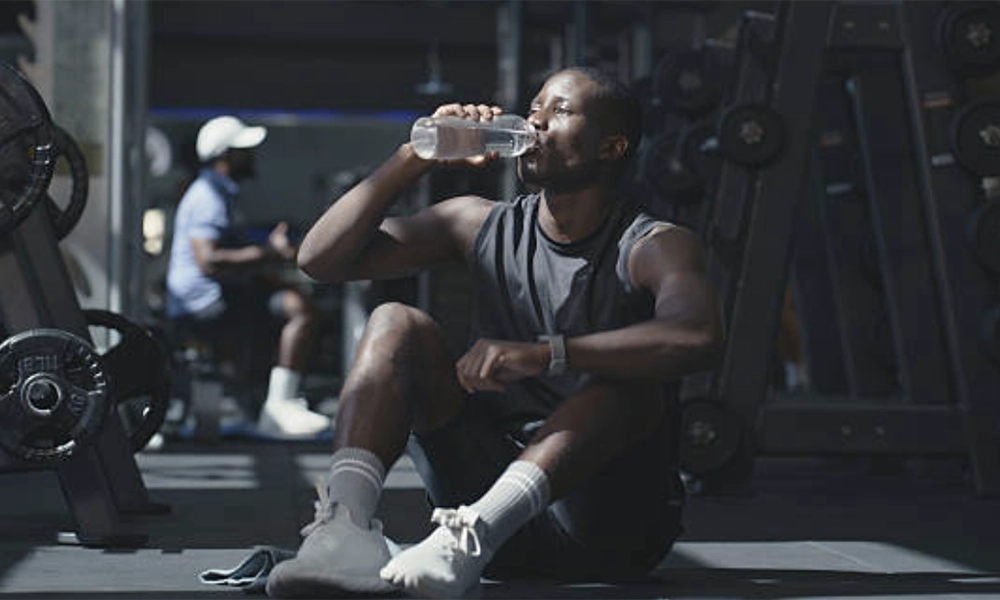
For many years, hydration products were designed to be used in specific scenarios of intensity: elite athletes, people wearing Lycra pushing their limits, or rehydrating after a hangover or stomach virus. But now the market has gone through “casualization” from situational to broad “daily hydration.” Because the world has changed, and now everyone wants to hydrate properly, whether they are gaming, sitting at their desk, or doing manual labor.
The problem is that many products designed for high-intensity recovery are not well suited for the 2 p.m. work slump. Products like Gatorade are intended for high-heat environments where you lose a ton of electrolytes and calories, so they generally contain high sugars to supply quick calories. While this makes sense for an athlete, it’s potentially too sweet and aggressive for daily hydration. On the other hand, the new daily hydration category sets out with different objectives: more flavor-forward and usable in a broad sense, but with low concentrations of electrolytes like magnesium (light) compared to heavy sodium/sugars for intense usage.
What makes electrolytes daily?
When considering hydration products for a general daily hydration context rather than extreme usage, the shifts are from fueling/feeding to sustaining.
- Sodium: Moderate levels. For non-athletes who are sitting or working on a computer or who workout for less than an hour, their baseline diets likely provide enough sodium. High-sodium electrolytes can actually work against sedentary people, as they pull fluids into cells inappropriately. Athletes might use 1000 mg+ while daily exercisers might use a moderate quantity (300-500 mg) or even “boring water” replacements around 80-150 mg.
- No sugars: For daily hydration, where you’re not looking to recover calories, the presence of sugars can generally work against making the product fit into the “daily” usage. Like a fuel/product for active use like cycling/swimming/running, it makes sense to have sugars to fuel longer efforts. But an office worker sitting around the house just doesn’t need an influx of sugars in their hydration. Thus, no-sugar or very low sugar levels are a requirement that many consumers are now seeking.
- No dyes/aggressive flavoring: Color/dyes are not useful for hydration itself instead of a psychological construct to help set expectations. Thus, many products in the market use vivid red and blue colors to give the impression of bold tastes, but daily usage desires cleaner, safer, and less aggressive profiles/brands. But consumers also need to be aware that “natural flavors” themselves sometimes contain fillers, and some sugar-free profiles contain aggressive ingredients that can bother digestion.
- Routine-friendly format: Daily hydration is contingent on routine integration, and that can include things like tablet forms which decouple the water beverage from the supplement. This approach can reduce packaging from bottles/cans compared to ready-to-drink. But effervescent tablets cannot be shaken in bottles because of carbonation, while powders can be shaken but aren’t strong for carrying around (car/gym/etc).
Best Electrolytes for Daily Use
Buoy: Best Healthy Electrolytes
Buoy uniquely positions itself as stealth health an unflavored liquid electrolyte designed specifically for the everyday routine vs performance spikes. Unlike powders which need to be mixed into water well, or tablets that dissolve over time, the drop format of Buoy allows it to be added to any drink (including coffee/tea) without impacting flavor. By removing sugars, sweeteners, and calories, it avoids the flavor fatigue that comes with aggressive sports drink style formulations. Buoy is often included in discussions around the best electrolytes with no sweeteners because its unflavored drop format allows users to support hydration without altering taste preferences or adding sweetness. For this reason, it works for those seeking the best healthy electrolytes to add into their routine without changing flavor profiles.
Ultima Replenisher
Ultima positions itself as flavor-forward zero-sugar powder electrolyte for all the family, offering stick packs and scoops. It’s targeting those who want tasty drinks but without the sugar of traditional sports drinks. While it sweetens it with no sugar, it tends to remain flavor-forward but “daily drinkable” vs the high-sodium approach for high heat/sweating training sessions.
Cure Hydration
Cure goes for the plant-based approach with Oral Rehydration Solution (ORS) inspiration of electrolytes with a bit of glucose to promote absorption. While plant-based formulations appeal to many clean-label users, the downside is that plant-based products are inherently higher risk for metal contamination since plants bioaccumulate minerals and metals from soil. For those who prefer plant-based products, third-party testing and clear sourcing is important.
NormaLyte
NormaLyte is more clinical/formulated based on the sodium-glucose co-transport from physiology glucose helps absorb sodium (and thus water). NormaLyte uses a reduced osmolarity style formulation that’s easier to absorb than traditional older mixes. For those who are sensitive, the PURE line doesn’t have sweeteners or dyes, which is a major distinction for those who react to sweeteners.
LMNT
LMNT caters to an orthogonal physiological use case for many low-carb/ketogenic dieters who lose more sodium from their kidneys since insulin is low. It has 1000+ mg sodium to help ameliorate symptoms like brain fog, fatigue, and cramps that salt-depleted people get. The use-case for LMNT is to be a trigger-style electrolyte for those who have a physiological need, but it’s a bit strong for sedentary inactivity.
Drip Drop
Drip Drop is positioned as a doc-formulated solution with carbs that are included because they aid in better absorption and rehydration rates. Thus, it’s useful for heat stress and dehydration recovery contexts, but more akin to a sports drink than daily hydration. Of course, people who are carb/sugar sensitive may want to avoid this and choose something more aligned with their needs.
Nuun
Nuun is another well-known offering for the portable/moderate sodium category with its fizzy electrolyte tablets. ~300 mg sodium electrolytes that are generally enough for desk hydration and liquid consumption, but less than exercise-focused products. The fizzy tablets are made from chemical composition like citric acid and bicarbonate to create carbonation, which allows it to ship as a tablet instead of liquid. The drawback is that tablets can’t be shaken in bottles without causing carbonation (fizzy).
How to pick an electrolyte for daily hydration?
- No sweetness: For those that dislike sweet electrolytes or want blandness, they also tend to be less fatiguing and more drinkable. Typically have to be unflavored or fully unsweetened mixes. If you try high sodium unflavored mixes, the saltiness tends to be high. Tips: Start with half a serving, or dilute in more water than it calls for, then increase over time. Additionally, if you’re sensitive to additives (including sweeteners) then simpler will be easier to handle than complex stick packs.
- Light flavors: Flavor tends to dominate hydration, as if something tastes better than water, people tend to drink more of it. The low-sodium options (often 80-150mg) are generally for casual drinking and boring water replacement, not sweat replacement. Note that there are oftentimes sweeteners that people don’t tolerate, so zero sugar doesn’t always mean zero sweet impact.
- Higher sodium for heavy sweaters and keto low insulin users: Normal electrolytes aren’t effective for people who sweat a lot of sodium. People lose much more sodium per liter of sweat than average. Additionally, some populations on low-carb/ketogenic diets lose more sodium and have symptoms that are helped by increased sodium intake. High sodium blends (often 1000s mg+) tend to be tools not just flavor preferences, but if you’re sensitive, consider matching electrolyte intensity to your sweat rate, climate, workout duration, etc.
Final thoughts on electrolytes for daily use
Hydration should be dynamic and not binary. Low-intensity activities like gardening and desk work may not warrant athlete-grade drinks. Instead, tailor your approach to your routine: on rest days or low sweat days, opt for smaller servings or lighter formulas. The aim is to make hydration a sustainable daily habit that aligns with your taste preferences, lifestyle, and actual electrolyte loss.
Filed underDiabetes