Acne and other common skin problems affect people of all ages, from teenagers with hormonal changes to adults dealing with stress or environmental factors. Persistent breakouts, redness, uneven texture, and post-acne marks can be frustrating, especially when traditional skincare fails to deliver consistent results.
As more people seek gentle, long-term solutions, at-home skincare technologies have grown in popularity. Once limited to clinics and spas, red light therapy is now widely available for home use, supporting clearer skin, reducing inflammation, and improving overall skin health without harsh side effects.
How Red Light Therapy Works
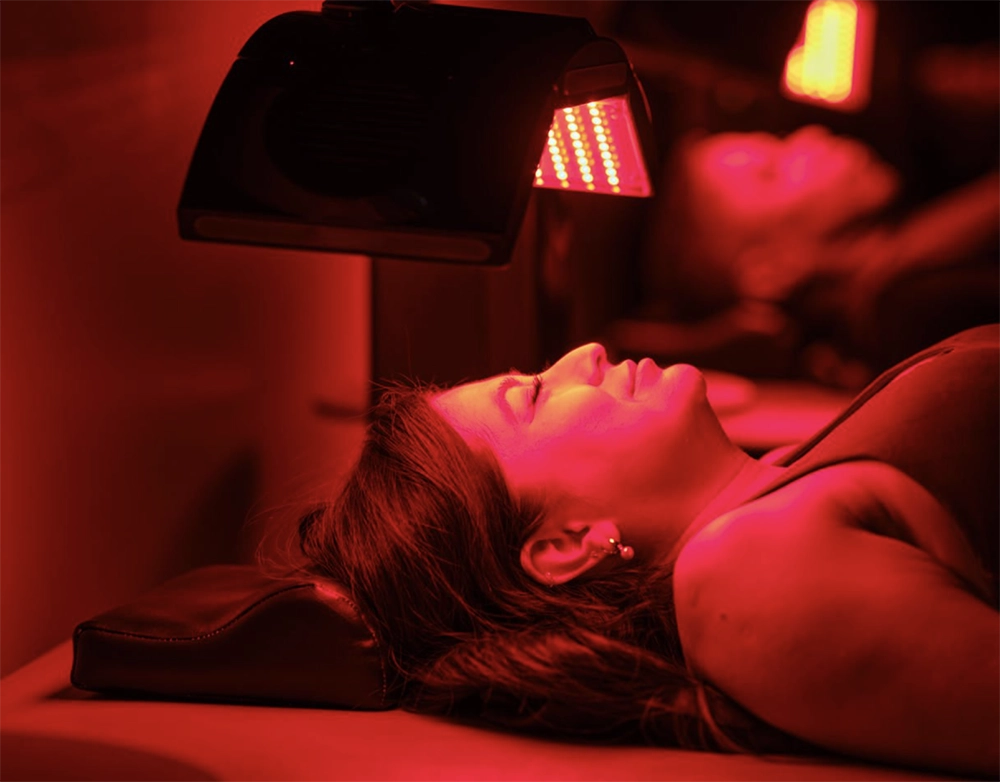
Red light therapy works by delivering specific wavelengths of red and near-infrared light into the skin, where it interacts with cells below the surface. Instead of targeting acne aggressively, it supports the skin’s natural healing processes.
Key mechanisms behind red light therapy include:
- Cellular energy and repair: Red light stimulates mitochondria, helping skin cells produce more energy to support repair and regeneration.
- Improved circulation: Enhanced blood flow delivers more oxygen and nutrients to skin cells, aiding healing and overall skin health.
- Reducing inflammation and supporting balance: Red light calms inflamed skin, reduces redness and swelling, and creates a healthier environment for recovery and resilience.
Key Benefits of Red Light Therapy for Skin
Red light therapy offers multiple skin benefits, making it a versatile option for people dealing with acne and related skin concerns. Rather than targeting the skin aggressively, it supports healthier skin function through gentle, non-invasive methods.
Calming Redness and Skin Inflammation
Red light therapy helps reduce redness and irritation by calming inflamed skin and supporting natural healing. This makes it especially suitable for acne-prone and sensitive skin types that may react poorly to harsh skincare treatments.
Boosting Collagen and Skin Recovery
By stimulating collagen production, red light therapy helps improve skin texture and firmness. With regular use, it may also reduce the appearance of acne scars and uneven skin caused by previous breakouts.
Improving Skin Tone Without Harsh Treatments
Enhanced circulation and cellular activity can lead to a more even skin tone and healthier-looking complexion. Because red light therapy does not damage the skin barrier, it can be used consistently without discomfort or downtime.
Guide to Using Red Light Therapy at Home
Using red light therapy at home is straightforward, but results depend heavily on proper use and device quality. Establishing a simple, consistent routine is key.
When setting up an at-home red light therapy routine, consider the following points:
- Choosing the right device: Use devices designed for home skincare, with consistent wavelengths, safe intensity, and reliable performance. Focus on options that balance effectiveness, safety, and ease of use.
- Preparing the skin properly: Cleanse thoroughly before each session to remove makeup, oil, and impurities for better light penetration.
- Following recommended session times: Sessions typically last 10–20 minutes, three to five times per week, for gradual and consistent improvement.
- Maintaining safety during use: Avoid looking directly at the light, keep the device at the recommended distance, and follow manufacturer guidelines.
Consistency matters more than intensity. Regular sessions over several weeks often deliver better results than occasional or excessive use, which is an important factor in identifying the best red light therapy approach for long-term skin improvement.
Integrating Red Light Therapy into Your Skincare
Red light therapy delivers the best results when used alongside a thoughtful skincare routine, rather than as a standalone treatment. Integrating it properly helps enhance its benefits while keeping your skin healthy and balanced.
- Use gentle, supportive products: Choose mild cleansers and fragrance-free moisturizers that protect the skin barrier, reduce irritation, and allow red light therapy to work more effectively.
- Apply moisturizer after sessions: Hydrating your skin post-treatment helps lock in moisture and supports natural repair, enhancing the therapy’s overall impact.
- Time active ingredients carefully: Avoid strong acids, retinoids, or exfoliants immediately before or after therapy to prevent sensitivity and ensure the skin remains calm.
By combining these three key practices, red light therapy can integrate smoothly into your routine, maximizing benefits without overwhelming your skin.
User Experiences and Real Results
Many users report positive changes after incorporating red light therapy into their skincare routines, especially when used consistently over time.
Commonly reported outcomes include:
- Fewer active breakouts: Reduced inflammation and improved skin balance often lead to fewer flare-ups.
- Less redness and irritation: Skin appears calmer and more comfortable after several weeks of regular use.
- Smoother skin texture: Gradual improvement in collagen support can enhance overall skin smoothness.
- More manageable skincare routines: At-home devices make it easier to stay consistent without frequent clinic visits.
These gradual improvements make red light therapy appealing for individuals seeking sustainable, long-term skin health rather than quick fixes.
Conclusion
Red light therapy is a valuable addition to at-home skincare, providing a gentle yet effective way to improve acne and other common skin issues. By reducing inflammation, boosting collagen, and enhancing circulation, it addresses multiple factors that contribute to breakouts and uneven texture.
With advanced home-use devices now widely available, incorporating red light therapy into a regular routine is both accessible and convenient. For those looking for a non-invasive, science-backed approach to clearer and healthier-looking skin, red light therapy represents a practical option worth considering.
- About the Author
- Latest Posts

Our Editorial Team are writers and experts in their field. Their views and opinions may not always be the views of Wellbeing Magazine. If you are under the direction of medical supervision please speak to your doctor or therapist before following the advice and recommendations in these articles.