Getting a handle on your weekly meals can feel like a massive chore. Most people start with great intentions, but lose steam by Tuesday night. It is not about being a perfect chef or spending your entire Sunday in the kitchen.
Simple shifts in how you look at your plate can make a huge impact on your energy levels. You can take control of your nutrition without feeling like it is a second job.
Start With Smart Portions
Many people think a healthy dinner needs to be boring or restrictive. A classic restaurant meal with a large steak and heavy starch can easily top 1,500 calories.
One medical group shared that eating the same steak dinner with more variety and smaller portions drops the calorie count to 700 calories.
Focusing on volume helps you feel full without the extra weight. You do not have to cut out the foods you love to see progress. Moving toward Oasis Eating Recovery programs or other local options can provide extra support if you find yourself struggling with your relationship with food. Finding a balance that works for your specific lifestyle is the best way to stay consistent.
Focus On Whole Produce
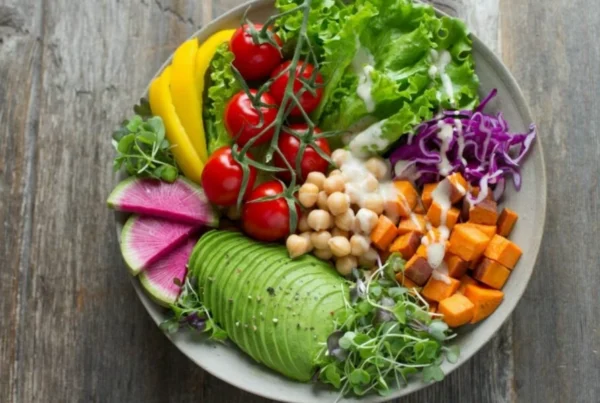
Adding more color to your plate is one of the easiest ways to improve your diet. High fiber foods help with digestion and keep you satisfied between your main meals. Experts from a global health organization suggest that adults should eat at least 5 portions of fruit and vegetables every single day.
This goal sounds like a lot, but it becomes easier when you break it down. You can toss a handful of spinach into a morning smoothie or grab an apple for a quick snack. These small additions provide the vitamins your body needs to function at its best.
Prioritize Protein For Satiety
Protein is a major building block for your body and helps keep hunger away. If you find yourself reaching for snacks an hour after lunch, you might not be getting enough. A recent educational report mentioned that eating about 1.2 g of protein per kg of body weight helps preserve muscle.
- Lean meats like chicken or turkey
- Plant-based options like lentils and beans
- Greek yogurt or low-fat cottage cheese
- Eggs and egg whites
Keeping these items on hand makes it simple to build a balanced plate. When you have a protein source ready to go, you are less likely to order takeout. It keeps your blood sugar stable and prevents that mid-afternoon crash.
Shop With A Strategy
Walking into a grocery store without a plan is a recipe for disaster. You end up buying items you do not need or missing the ingredients for a full meal. Try to shop the perimeter of the store where the fresh items are usually kept.
Checking your pantry before you leave saves money and prevents waste. If you know what you have, you can buy exactly what you need for the next few days. This habit reduces stress when you get home from a long day of work.
Keep Kitchen Prep Simple
You do not need fancy gadgets to be successful with meal planning. Chopping a few onions or roasting a tray of veggies ahead of time saves minutes during the week. Those minutes add up when you are tired and hungry after a busy afternoon.
Using a slow cooker or a sheet pan can cut down on the dishes you have to wash. One-pot meals are great for busy families who want to eat well without the mess. It makes the whole process feel much less intimidating.
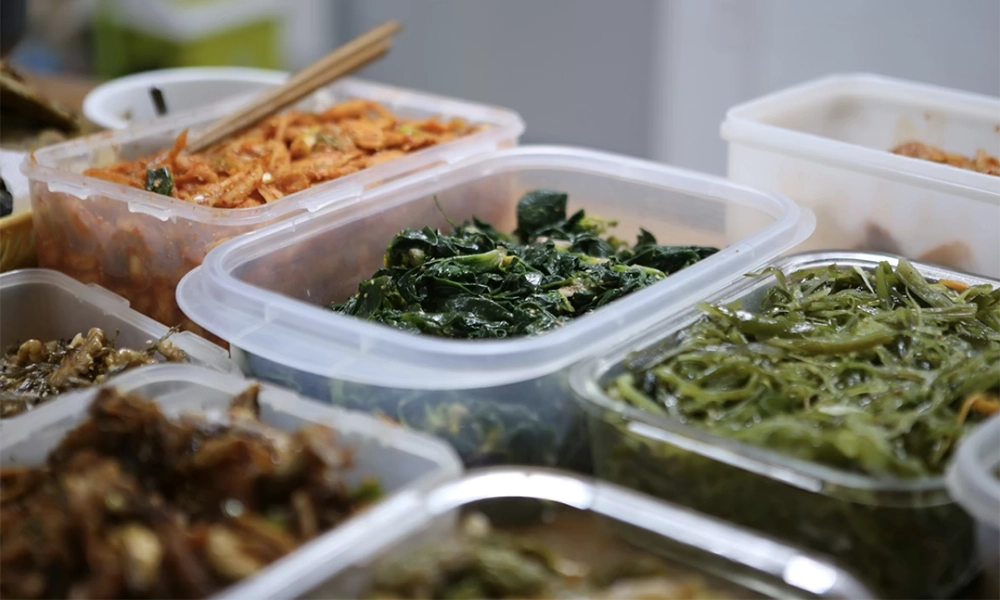
Batch cooking staples like rice or grilled chicken speeds up weeknight dinners. Keeping a short list of go-to recipes reduces decision fatigue. Clear containers help you see what is ready to use in the fridge. Simple labeling prevents food from being forgotten and wasted.

Stay Flexible With Your Plan
Life happens, and sometimes your schedule changes at the last minute. If a friend invites you out or a meeting runs late, do not stress about missing a planned meal. You can always eat that dish the following day instead.
Flexibility prevents you from feeling like you failed your diet. A healthy lifestyle is about what you do most of the time, not every single second. Just get back to your routine the next morning.
Building a routine takes time and a bit of patience. Some methods work better for your family than others.
The goal is to find a rhythm that feels natural and sustainable for the long haul. When you stop viewing food as the enemy, it becomes much easier to make choices that fuel your body. Start with one or 2 changes this week and see how much better you feel.
- About the Author
- Latest Posts

Our Editorial Team are writers and experts in their field. Their views and opinions may not always be the views of Wellbeing Magazine. If you are under the direction of medical supervision please speak to your doctor or therapist before following the advice and recommendations in these articles.