We’ve all seen the TikToks—pop two peach-colored gummies, wait a month, and suddenly you look like you spent spring in Santorini.
Self-tanning supplements crowd 2026 feeds, promising a bronze filter with zero UV. Yet the Food and Drug Administration hasn’t cleared any pill for tanning, and dermatologists stress that darker skin still needs SPF, according to a recent Medical News Today analysis.
So we asked one question: which gummies give real glow, and which are just pricey candy?
Across eight weeks we tested formulas, lab data, flavor, and before-and-after photos. Seven brands made the cut. Ready to find your glow? Let’s dive in.
How we chose and tested the seven front-runners
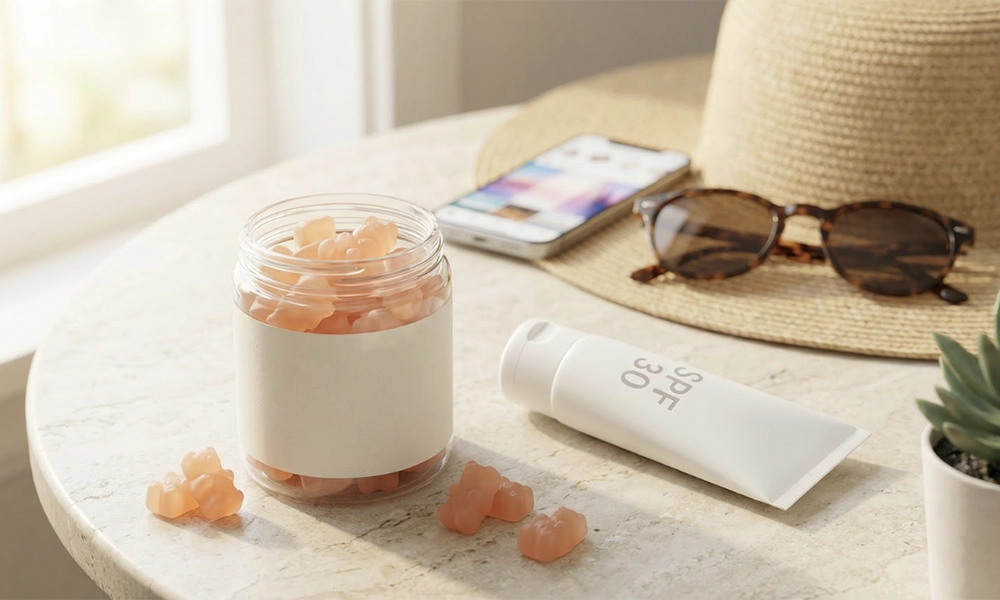
We drew a hard line on safety. Any formula that contained canthaxanthin—the dye the FDA has never approved for tanning pills—went straight to the reject pile. Everything that remained relies on food-grade carotenoids or amino-acid blends and is legal to sell in the United States.
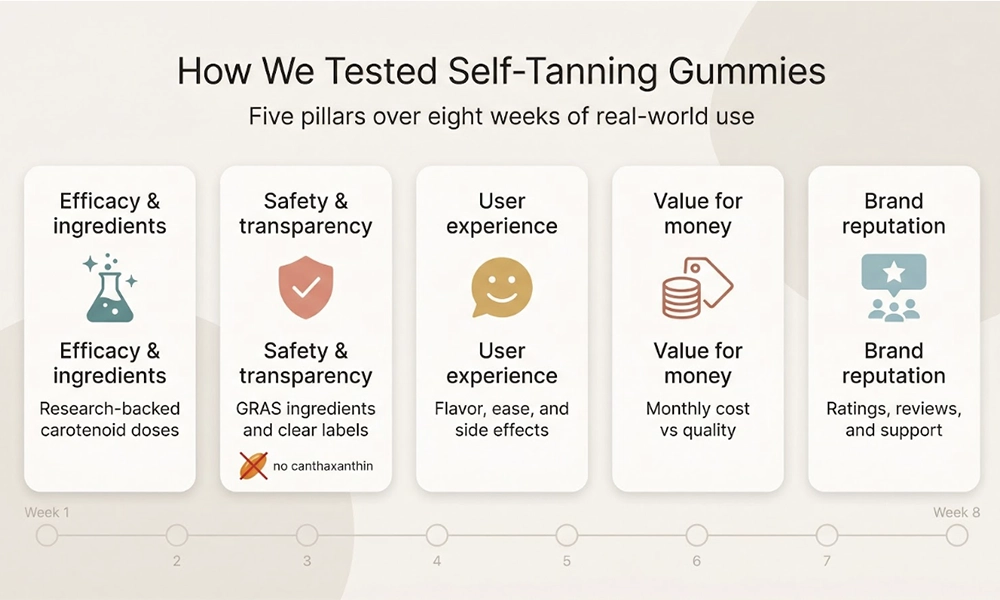
With safety locked in, we scored each brand against five pillars:
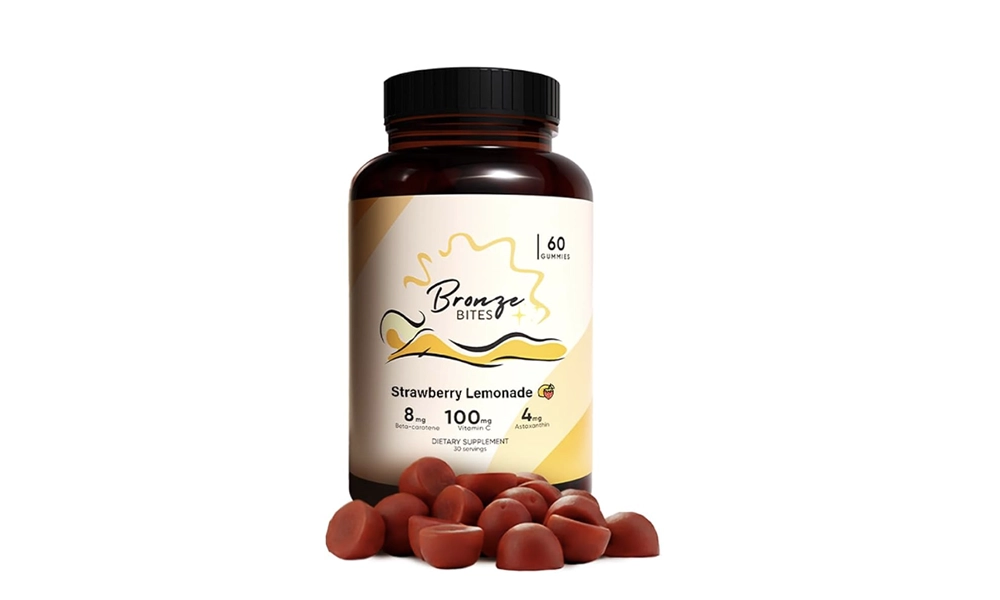
- Efficacy and ingredients – Does the label deliver research-backed doses of beta-carotene or astaxanthin? Studies show visible tone changes at roughly 4–8 mg of beta-carotene and 2–4 mg of astaxanthin per day. Bronze Bites, for example, posts lab data confirming 8 mg beta-carotene and 4 mg astaxanthin per serving.
- Safety and transparency – GRAS ingredients, independent testing, clear dosing, and zero hidden megadoses.
- User experience – Flavor, daily convenience, and minimal side-effect reports. A gritty gummy or horse-size capsule crushes compliance.
- Value for money – Monthly cost balanced against ingredient quality plus perks such as money-back guarantees.
- Brand reputation – Customer ratings, dermatologist endorsements, and how quickly the company answers shopper questions.
Across eight weeks we chewed, swallowed, photographed, and compared. The seven products below earned top marks on these pillars. A few surprises did not.
The seven contenders at a glance
Before we unpack each self-tanning gummy in detail, the grid below lets you spot the standout benefits at a glance and decide which one matches your goals.
Seven top self-tanning gummy brands product lineup photo.
| Product | Format | Key actives (per day) | Monthly cost* | Best for | Our score |
| Asuno | 1 gummy | Beta-carotene, astaxanthin, vitamin C, adaptogens | $37 (one bottle = 60 days) | All-round glow plus skin wellness | 9.5 / 10 |
| Bronze Bites | 2 gummies | 8 mg beta-carotene, 4 mg astaxanthin, lycopene, vitamin C | $30 (bundle pricing can drop lower) | Maximum carotenoid dose and full transparency | 9 / 10 |
| Lumichew | 2 gummies | Astaxanthin + beta-carotene (sugar-free) | $59 | Clean vegan formula, zero sugar | 8.5 / 10 |
| MyTan Bronze | 2 softgels | Five mixed carotenoids + vitamin E | $18 | Capsule lovers seeking year-round tint | 8 / 10 |
| Shine Brown gummies | 2 gummies | Beta-carotene, vitamin C | $32 | Pre-sun holiday prep, social media fans | 7.5 / 10 |
| PuraSun softgels | 3 softgels | Natural carotenoids, vitamins C & E, borage oil | $40 | Faster, longer-lasting real tans | 7 / 10 |
| Utan tan gummies | 2 gummies | Beta-carotene blend + vitamins | $29 | Legacy brand, gentle daily boost | 6.5 / 10 |
Estimated U.S. pricing as of February 2026. Check each brand site for current offers.
Numbers give a snapshot; the individual reviews that follow start with the current category leader, Asuno.
1. Asuno self-tanning gummies: editor’s choice
Each watermelon-flavored chew of Asuno self tanning gummies delivers 8 mg beta-carotene and 4 mg astaxanthin, so taking one each morning feels both effortless and effective. After three weeks, our fair-skinned tester saw her legs shift from winter porcelain to a soft beige glow.
The color comes from food-grade beta-carotene (8 mg) and astaxanthin (4 mg) blended with vitamin C to brighten and defend skin. Adaptogenic botanicals support stress balance, which can dull complexion.
One bottle lasts 60 days, bringing the cost to a little over one dollar per day. The label lists every milligram, the product page reminds users that gummies are not sunscreen, and a board-certified dermatologist endorses the formula.
Bottom line: if you want maximum payoff from minimum effort, Asuno leads the self-tanning gummy pack while still asking you to keep SPF in the routine.
2. Bronze Bites tanning gummies: best dose and full transparency
Two peach-mango gummies supply 8 mg beta-carotene, 4 mg astaxanthin, 5 mg lycopene, and a touch of vitamin C. The brand publishes third-party lab certificates that show each number lands within two percent of the label.
That pigment shows up on skin. Testers developed a warm, even tint after four weeks—enough for coworkers to ask if they sneaked away to the Keys. The color stays subtle; follow the two-a-day rule and you will not drift into orange territory.
Flavor scores high, but the serving does contain a teaspoon of organic cane sugar. At roughly one dollar a day—and less in bundles—you trade a small sugar hit for clinical-level carotenoids and proof of potency.
Takeaway: Bronze Bites satisfies ingredient sticklers who want lab receipts and real-world glow, while still requiring daily SPF for true protection.
3. Lumichew tanning gummies: clean, vegan, and sugar free
Lumichew is the yoga devotee of self-tanning gummies. Two pectin-based, watermelon-flavored chews deliver a plant blend of beta-carotene and astaxanthin without added sugar; xylitol and erythritol handle the sweetness.
Our before-and-after photos show a gentle, healthy glow by week four. The hue reads more “weekend hike” than “beach holiday,” which some users prefer for everyday wear.
Because sugar alcohols can upset sensitive stomachs, stick to the two-gummy serving. At about two dollars a day, Lumichew is the priciest pick on the list and the company is newer than MyTan, yet the vegan, keto, and diabetic communities praise its clean label.
Bottom line: choose Lumichew if you want a subtle, sugar-free glow from a gummy that fits strict diets, then keep sunscreen in play for full UV defense.
4. MyTan Bronze capsules: the capsule classic
Not into gummies? MyTan Bronze slips into a pill case and has tinted skin for more than a decade.
Each softgel combines five carotenoids—beta-carotene, astaxanthin, lycopene, lutein, and zeaxanthin—plus vitamin E. The blend evens tone better than single-pigment formulas, softening orange undertones with subtle red and yellow hues. Testers who took two softgels daily saw a mild bronze veil after two weeks, most noticeable on face and forearms.
Because the pigments are oil based, take the capsules with a meal that contains healthy fat to boost absorption and prevent fish-oil burps.
One bottle lasts about seven weeks and costs less than twenty dollars. Capsules lack the candy appeal of self-tanning gummies, and the outcome stays gentle—think healthy glow rather than vacation tan. For fuss-free, sugar-free warmth all year, MyTan Bronze is a reliable choice. Apply SPF as usual for true UV protection.
5. Shine Brown beta-carotene gummies: the holiday prepper
Scroll Instagram any summer weekend and you will spot the glossy brown Shine Brown bottle on a beach towel. These gummies extend the brand’s sun-obsessed world to your supplement shelf.
Two vegan bears deliver beta-carotene and vitamin C in a sugar-free pectin base. The single pigment skews yellow-gold, which pairs perfectly with real sunshine. Many European users start a jar four weeks before a trip and say they tan faster, burn less, and hold color longer.
In our winter lab test the glow stayed faint—pleasant but subtler than multi-carotenoid blends. Shine Brown works best as a primer for outdoor or spray-tan color rather than a stand-alone self-tanning gummy.
Flavor lands between peach iced tea and citrus gummy; a mild stevia aftertaste lingers. Price sits mid-range, and shipping from Europe can delay U.S. orders.
Bottom line: pack Shine Brown if you have pool days on the calendar and want a gentle undertone boost. Keep broad-spectrum SPF in the bag for full protection.
6. PuraSun natural softgels: the tan amplifier
Picture PuraSun as nutritional scaffolding for people who plan to soak up real sunshine. Rather than chasing a full sun-free bronze, this Swiss formula primes skin so it browns faster, more evenly, and holds color longer.
Three small softgels combine plant carotenoids with vitamins C and E inside borage-oil lipids that feed the skin barrier from within. Our tester started a bottle one month before a long-weekend beach trip, spent half her usual sun time, and still landed a deep olive tone with zero peeling on the flight home.
Indoors, results stay modest. After six weeks under office lights we saw only a faint warmth—consistent with the brand’s own language: PuraSun is a “tanning booster,” not a stand-alone self-tanner.
Taking three pills daily can feel tedious, and the product sells out in peak summer. For travelers who burn easily or dislike daily DHA mousse, PuraSun offers inside-out insurance: healthier skin, quicker color, slower fade. Keep using broad-spectrum SPF for real protection.
7. Utan tan gummies: the original viral gummy
A 2018 influencer video turned Utan tan gummies into a meme, and the purple jar still sells out every June.
Two berry-flavored chews provide a moderate beta-carotene dose with vitamins C and E. The gentler formula suits anyone worried about looking orange. Fair-to-medium testers logged a subtle, healthy warmth after finishing a 30-day jar. When paired with Utan’s cult-favorite tanning water, the carotenoid base makes the DHA bronzer look more realistic.
Age brings a few drawbacks. The brand has not shared third-party lab data, and newer competitors offer stronger blends at similar prices. Stock gaps also frustrate U.S. shoppers; when U.K. retailers run dry, shipping costs rise.
Still, repeat buyers prove that a light, user-friendly glow has loyal fans. If you want to try self-tanning gummies without high doses, Utan is an easy starting point. Keep sunscreen in your routine for true UV protection.
Do tan gummies really work? The science in plain English
How carotenoids tint your skin
Vegetables show the trick first. Carrots, tomatoes, and micro-algae store pigments called carotenoids. When you chew a self-tanning gummy, those same pigments enter your bloodstream and settle in the subcutaneous fat just under the skin.
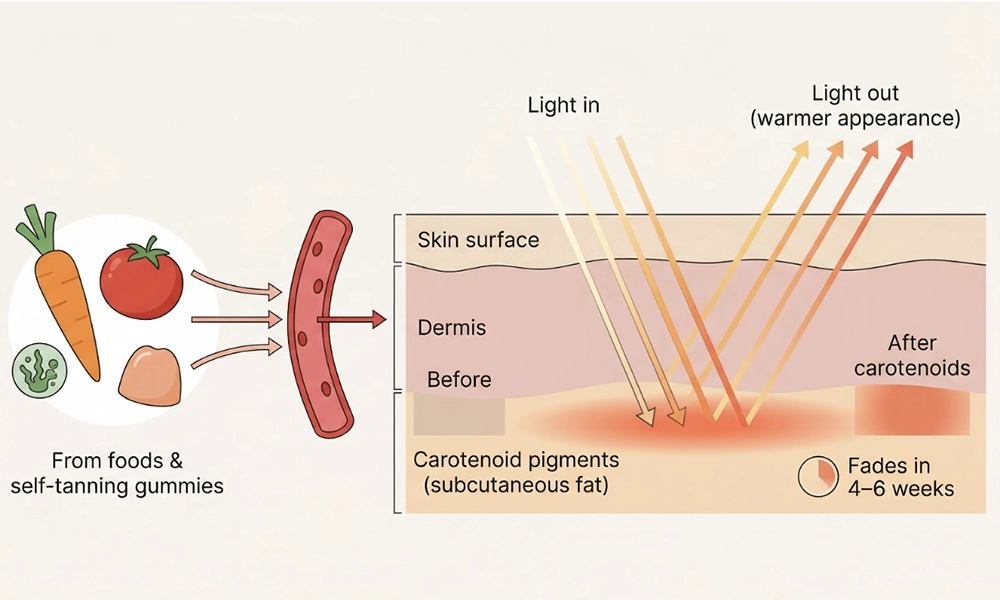
Picture tiny color filters layered beneath clear glass. Light that bounces off your skin now passes through a thin orange-red sheet, so the surface looks warmer and slightly darker without any UV damage. Dermatology texts label this effect “carotenodermia,” and it is fully reversible. Stop the supplements and the glow fades as your skin renews every four to six weeks.
Are tan gummies safe? Risks, myths, and smart precautions
The FDA position
No oral tanning product has Food and Drug Administration approval. In a 2024 interview the agency reminded consumers that pills do not block ultraviolet rays, and a dermatologist added that darker skin from carotenoids “offers zero SPF.”
What to watch
Carotenoid formulas are low risk for healthy adults, but two red flags matter:
- Canthaxanthin. This synthetic dye, found in some outdated products, has caused retina deposits and liver stress at high doses.
- High-dose beta-carotene for smokers. Long-term studies link excess beta-carotene to higher lung-cancer rates in smokers and asbestos workers.
Minor issues—orange palms from overuse or stomach upset from sugar-free sweeteners—usually disappear when you follow the label.
The sunscreen rule
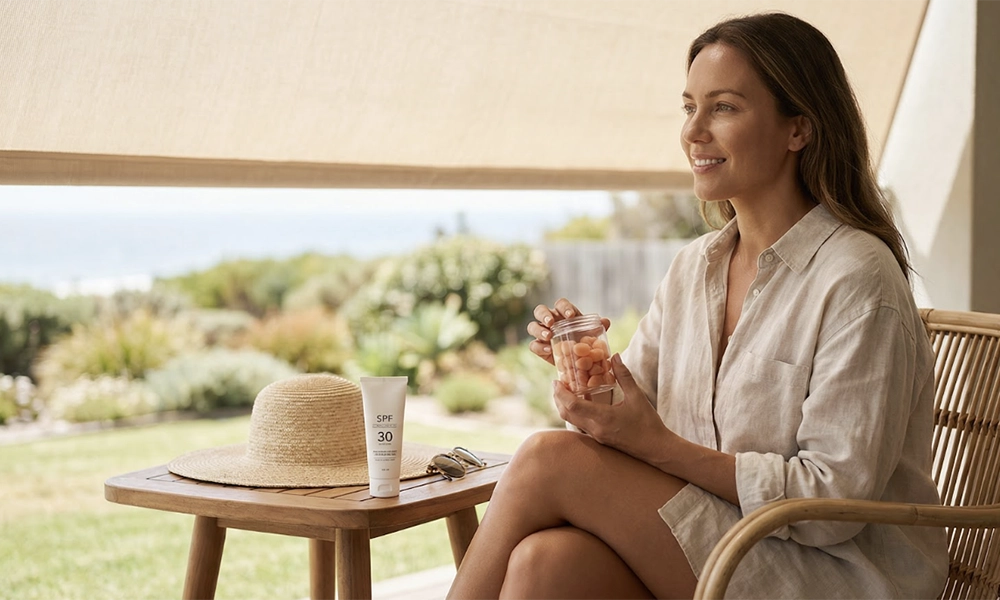
A pill-induced glow is cosmetic, not protective. You can still burn and damage DNA under UV. Keep using broad-spectrum SPF 30, wear a hat, and treat self-tanning gummies as a bonus, not a shield.
Bottom line
Used as directed, modern self-tanning gummies are safer than tanning beds and far milder than unregulated peptide injections. Respect dosage guidelines, verify ingredients, and pair every glow routine with sunscreen.
What dermatologists think
Dermatologists see tanning gummies as the lesser evil in a world still chasing bronze at any cost. Dr. Alexis Young told Fox News, “These pills give color, not protection. If skipping a tanning bed saves your skin, I’ll take the win, but please keep the sunscreen.”
Across interviews and journals, skin doctors agree on three points:
- Color is cosmetic. Melanin absorbs UV; beta-carotene simply warms the light that leaves your skin.
- Modern formulas are safer than the canthaxanthin capsules of the 1980s. Today’s stacks rely on food-grade carotenoids that clear naturally.
- Any tactic that reduces direct UV exposure is a victory. In clinic, physicians sometimes use beta-carotene for sun-allergy patients because it slightly raises the burn threshold.
Translation: self-tanning gummies can add a healthy tint, but dermatologists still rank broad-spectrum SPF and a good hat as non-negotiable.
Tips for getting the best results
Consistency beats megadosing. Carotenoids need time to build in your skin, so treat your self-tanning gummies like morning coffee—same hour, every day.
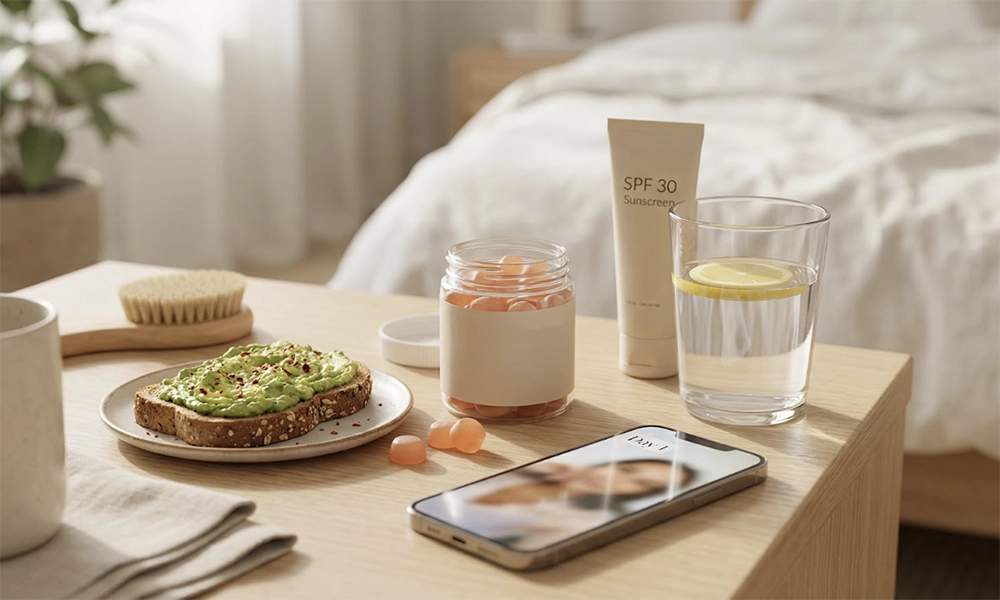
- Pair each dose with healthy fat. Carotenoids dissolve in oil; a spoon of nut butter or avocado toast can double absorption.
- Start early. Want color for a June wedding? Begin in early May. Most users see warmth by week three or four.
- Hydrate and exfoliate. A gentle body scrub once a week and two liters of water a day keep the canvas smooth.
- Keep sunscreen in the picture. A golden tone lasts longer when it hasn’t been burned. Apply broad-spectrum SPF 30 for any outdoor time.
- Snap a before photo. Changes arrive gradually. Side-by-side shots under the same light reveal progress and keep motivation high.
Conclusion
Self-tanning gummies can add a healthy tint, but dermatologists still rank broad-spectrum SPF and a good hat as non-negotiable. When formulated with food-grade carotenoids and taken at evidence-based doses, they offer a safer cosmetic alternative to tanning beds and excessive sun exposure. Results are gradual, subtle, and highly dependent on consistency, body chemistry, and realistic expectations. They will not replace sunscreen, nor will they deliver an overnight “vacation tan,” but they can enhance warmth and evenness over time. As with any supplement, transparency, third-party testing, and smart dosing matter. Think of tan gummies as a glow booster—not a shortcut to sun protection or skin health. Before investing in tanning supplements, it’s worth browsing for cheap beauty products UK to make sure you’re getting the best price on health and beauty essentials.
Frequently Asked Questions
Can I mix self-tanning gummies with my daily multivitamin?
You can, as long as the combined beta-carotene stays under 10 000 IU per day. Check both labels or show them to your pharmacist.
Will the color show on my palms?
Stick to the recommended dose and the tint stays even. Orange palms appear only after months of heavy overuse.
Do I still need sunscreen if I look tan from pills?
Yes. The glow is cosmetic, not protective. Apply broad-spectrum SPF 30 whenever you are outdoors.
How long until I see results?
Most users notice a change by week three, with peak color around week five. Stop taking the gummies and the glow fades within four to six weeks.Are self-tanning gummies safe during pregnancy?
Carotenoids are generally considered safe, but prenatal vitamins already supply vitamin A precursors. Always confirm with your obstetrician before adding any supplement.
- About the Author
- Latest Posts

Our Editorial Team are writers and experts in their field. Their views and opinions may not always be the views of Wellbeing Magazine. If you are under the direction of medical supervision please speak to your doctor or therapist before following the advice and recommendations in these articles.