Interactive team sports like basketball, volleyball, and soccer force immediate cognitive presence. These activities effectively interrupt rumination cycles and lower stress hormones within minutes. They demand rapid decision-making that shifts neural activity away from anxiety and toward flow states.
Most people view these weekend games purely as physical workouts, yet neuroscience confirms that movement is only half the equation. Regular play rewires attention networks and serves as a powerful mental reset button. Even 20 minutes of moderate interactive exercise can sharpen memory and learning pathways while quieting the internal noise of a busy mind.
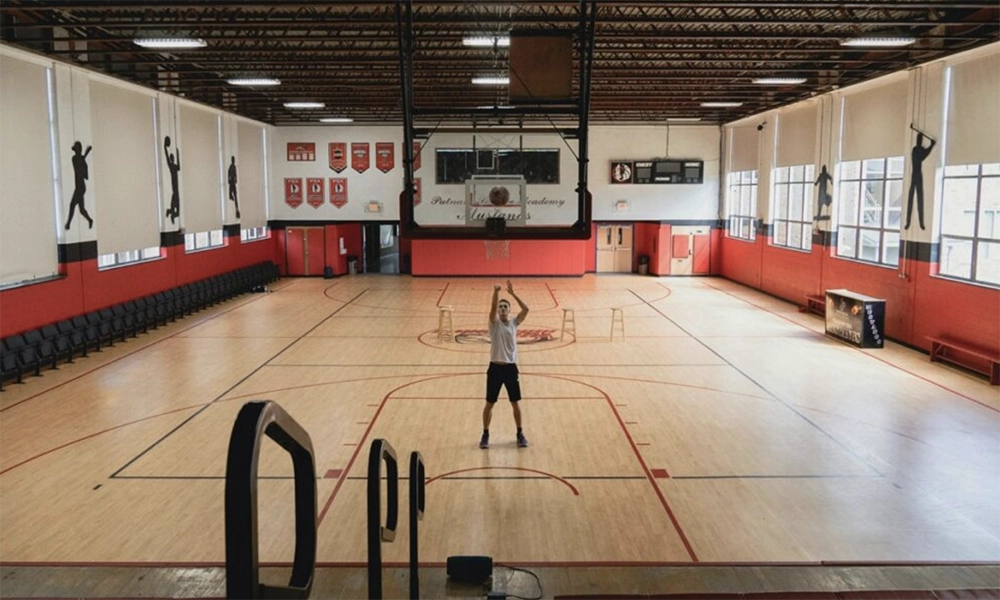
Photo from Sports Gear Swag
1. Basketball: Mental Clarity Through Collective Focus
Basketball offers a unique form of moving meditation that shifts your perspective from internal worries to external harmony. The fast pace of the game demands a specific type of presence where overthinking becomes a physical impossibility. As you track the ball and coordinate with your teammates, the mind naturally sheds its heavy layers of rumination.
The Power of Shared Rhythm
When you step onto the court, your individual stress begins to dissolve into a shared objective. This collective focus provides several mental benefits
- Social Cohesion: Working toward a common goal reduces feelings of isolation.
- Tactile Presence: The repetitive sound of the ball hitting the hardwood grounds your senses.
- Reactive Flow: Quick decision-making forces the brain to prioritise the immediate task over distant anxieties.
Practical Immersion
Finding your place within a team involves more than just physical skill. It is about the sensory details that signal your brain it is time to switch off the inner critic. Preparing for the court involves a ritual of readiness where even the clothes we wear play a part in our mental transition.
Stepping into the shared identity of a team while wearing Sports Gear Swag’s custom basketball jerseys helps anchor you to the collective spirit of the game. This sense of belonging allows you to leave personal weights on the sidelines.
By focusing on the trajectory of a pass or the positioning of a teammate, you engage in an active form of mindfulness. This shared energy creates an uplifting environment where the heavy burden of “what ifs” is replaced by the light and rhythmic pulse of the sport.
2. Soccer: Stress-Relieving Benefits of Physical Activity
Football provides a unique sanctuary from the noise of daily life by combining high-energy movement with a playful spirit. As you engage with the pitch, the demands of the match encourage a physiological shift that directly combats the effects of overthinking. This transition is not merely mental because it is rooted in the way our bodies respond to sustained, joyous exertion.
Stress hormones plunge when the heart rate climbs in a playful environment. Harvard Health notes that cortisol, the body’s primary stress chemical, begins to drop after 15–30 minutes of activity. Physical activity may help bump up the production of your brain’s feel-good neurotransmitters, called endorphins.
3. Softball: Community Support and Sense of Belonging
The Centers for Disease Control and Prevention links social connectedness to lower depression rates and longer life expectancy. Team sports foster social connectedness, belonging, and interpersonal interaction, which can significantly contribute to improvements in mental health and quality of life.
The Architecture of Connection
In softball, the gaps between the action are just as vital for wellness as the movement itself. These moments of stillness provide the foundation for a supportive environment
- Interdependent Roles: Every position relies on the next, fostering a natural trust that quiets self-doubt.
- Shared Encouragement: Vocal support from the dugout creates a constant hum of external validation.
- Emotional Safety: The inclusive nature of the sport prioritises the experience of the group over the pressure of the score.
Recreational leagues offer built-in community, with many athletes citing social interaction over calorie burning as their primary motivation.
Bringing Mindfulness to Your Routine
To integrate these benefits into daily life, treat sport as a discipline of the mind as well as the body. Pick a sport with built-in decision-making to sharpen clarity. Schedule at least two 30-minute sessions a week for sustained stress relief.
Pick a sport that excites you, even if you haven’t played in years. Block one recurring slot on your calendar this week; commitment fuels consistency. After each game, write down one sentence about how your mind feels to track the shift over a month.
| Author Profile: Sports Gear Swag is the leading online retailer of custom sports apparel and gear for teams, schools, and organisations of all sizes. Specialising in team jerseys, uniforms, and athletic apparel with a wide range of customisation options. |
- About the Author
- Latest Posts

Our Editorial Team are writers and experts in their field. Their views and opinions may not always be the views of Wellbeing Magazine. If you are under the direction of medical supervision please speak to your doctor or therapist before following the advice and recommendations in these articles.