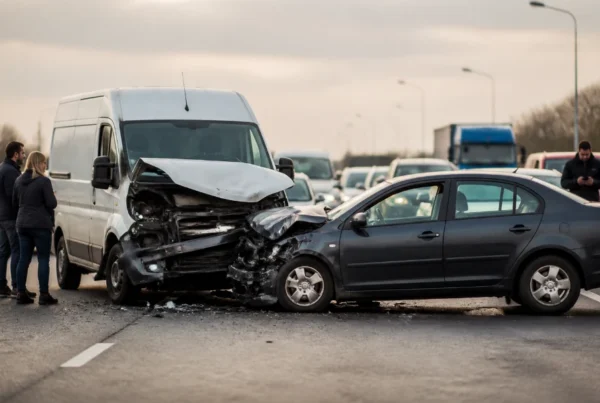
A traffic accident can turn your life upside down in seconds. One moment you are driving to work or picking up groceries, and the next you are dealing with pain, car damage, missed work, and endless phone calls.

It can feel stressful and confusing, especially when you start hearing words like “claims” and “compensation.” What does it all really mean for you and your family? In this blog, we will break down how compensation works after a traffic accident, what you may be entitled to, and how you can protect your rights while focusing on recovery.
Types of Compensation After Traffic Accidents
Knowing what’s claimable prevents you from walking away from money you legitimately earned through suffering. Crash compensation is divided into categories, each targeting different losses you’ve absorbed.
Delaware presents an interesting puzzle. Small state, major highways. That combination creates accident scenarios that attorneys who practice elsewhere simply don’t encounter regularly. I-95 barrels through carrying interstate traffic while historic Georgetown’s colonial-era streets try handling modern vehicle volumes;it’s a recipe for specific crash patterns.
After an injury, connecting with Delaware Car Accident Lawyers who’ve appeared in Sussex and Kent County courtrooms repeatedly changes outcomes dramatically. Why? These professionals speak the language of Delaware’s modified comparative negligence system fluently. They’ve sat across from the same insurance adjusters you’re about to face. That familiarity builds leverage.
Economic Damages You Can Recover
Think of these as the bills with actual numbers printed on them. Medical costs lead the pack, emergency care, surgery, physical therapy sessions, medications, everything. Lost income means the paychecks you didn’t receive because you were recovering instead of working. If injuries permanently alter your career trajectory? Reduced earning capacity becomes claimable too.
Your vehicle’s repair costs or replacement value falls under property damage. Then there’s rehabilitation, ongoing therapy needs, and mobility equipment. Permanent disability sometimes requires home modifications, wheelchair ramps, grab bars, accessible bathrooms. All compensable.
Non-Economic Compensation for Accident Victims
Now we’re valuing the intangible. How much is chronic pain worth? What’s the price tag on not sleeping through the night anymore? Pain and suffering attempts answering those uncomfortable questions. Emotional distress covers anxiety, depression, and trauma that follows serious collisions.
Loss of enjoyment addresses specific activities you’ve lost. Maybe you coached little league but can’t run anymore. Perhaps gardening was your meditation, except now you can’t kneel. These losses count. For married victims, loss of consortium recognizes that injuries damage relationships, intimacy changes, partnership dynamics shift. Visible scarring and disfigurement affect how you move through the world daily, and that warrants compensation.
Punitive Damages in Severe Cases
These damages aren’t about making you whole, they’re about sending messages. When someone’s behavior crosses from negligent into reckless, punitive damages punish them. The drunk driver who plowed through a crosswalk. The street racer who treated residential roads like a speedway. Most jurisdictions cap these amounts, but when they apply, your total personal injury compensation can jump significantly.
The Complete Accident Compensation Process
This journey follows a predictable arc, though your specific timeline depends heavily on injury severity. Strategic navigation through each phase protects what you’re owed.
Immediate Actions at the Accident Scene
A document like your settlement depends on it, because it does. Photograph every angle. Capture street signs, weather conditions, vehicle positions, damage, injuries. Collect witness contact information. Verify the police report’s accuracy before officers leave. What you do here echoes through your entire claim.
Critical mistake? Apologizing or saying “I’m fine” when you’re not. Insurance companies record those statements and weaponize them later against traffic accident claims that could otherwise succeed.
Medical Treatment Documentation Phase
Get examined immediately, even when adrenaline masks symptoms. Some injuries, internal bleeding, concussions, soft tissue damage, don’t announce themselves for hours or days. The medical record you’re creating needs an unbroken chain connecting your injuries directly to the collision. Treatment gaps let adjusters argue your injuries came from somewhere else or aren’t that serious.
Negotiation and Settlement
Once you’ve reached maximum medical improvement, meaning your condition has stabilized, your attorney packages everything into a demand letter. This opens negotiation. Expect lowball initial offers. Counteroffers fly back and forth. This dance takes time, and rushing through it costs money. Patience here translates directly into higher settlements.
Calculating Your Traffic Accident Compensation Value
Insurance companies deploy formulas, but these aren’t mysterious algorithms. Understanding their math helps you negotiate upward effectively.
Medical Expense Multiplier Method
Take total medical bills, multiply by somewhere between 1.5 and 5. The multiplier depends on severity. Simple fracture that healed completely? Maybe 2x. Spinal injury requiring lifetime care? Could justify 5x or higher. This approach dominates car accident settlement calculations.
Lost Income and Future Earnings Analysis
Current lost wages are straightforward arithmetic, hourly rate times hours missed. Future earning capacity gets complex fast. Can’t return to construction work because of your back injury? Economists project the lifetime income difference between your former and current earning potential. That gap becomes claimable.
Factors That Increase Value
Here’s encouraging news: pedestrian deaths have dropped by nearly 45% compared to a decade ago . Safety improvements work. When accidents still occur, though, certain elements maximize compensation. Opponent bears 100% fault? Value climbs. Catastrophic injuries, amputations, traumatic brain injuries, paralysis, justify higher multipliers. Quality legal representation matters enormously too. Attorneys with trial experience consistently pull larger settlements than victims negotiating alone.
Common Mistakes That Destroy Compensation Value
Strong cases collapse because of preventable errors. These traps catch people daily.
Accepting Quick Settlement Offers
Adjusters push early settlements for one reason: their initial offers are almost always lowballs. They’re banking on your financial stress forcing acceptance before you understand full damages. Don’t sign anything until treatment concludes and you comprehend total losses. That rushed signature could cost you tens of thousands.
Posting on Social Media During Claims
Every profile you maintain is being monitored. That innocent photo from a nephew’s graduation where you’re standing? Adjusters spin it as proof you’re exaggerating injury severity. Set everything to private. Better yet, stop posting entirely about your accident, activities, and recovery until your case closes. One careless post can torpedo months of careful case building.
Frequently Asked Questions
How much compensation can I receive after a traffic accident?
The amount of compensation you can receive depends on several factors, such as the severity of your injuries, medical expenses, lost wages, property damage, and how the accident has affected your daily life
How long does the accident compensation process take?
Most cases resolve within 3-18 months depending on complexity. Straightforward minor injury claims with obvious liability might settle within months. Severe injuries requiring extensive treatment easily extend past a year. Litigation stretches timelines further, sometimes reaching 24+ months. Patience frustrates everyone, but rushing undervalues claims.
Can I claim compensation if I was partially at fault?
Absolutely, in most jurisdictions. Modified comparative negligence rules allow recovery as long as you’re under 50-51% responsible (the threshold varies by state). Your award gets reduced by your fault percentage.
Taking Action to Secure Fair Compensation
Moving from victim to fair settlement demands knowledge, patience, and frequent professional advocacy. Evidence degrades daily. Memories fade. Witnesses move away. Deadlines approach silently, then suddenly expire and permanently bar your claim.
Document everything you can. Follow treatment protocols completely, skipped appointments give adjusters ammunition. Don’t let insurance companies pressure you into premature decisions that shortchange your recovery. You’ve been handed rights as an accident victim. Understanding them activates those protections, setting your family on the path toward the compensation you need for genuine recovery.
- About the Author
- Latest Posts

Our Editorial Team are writers and experts in their field. Their views and opinions may not always be the views of Wellbeing Magazine. If you are under the direction of medical supervision please speak to your doctor or therapist before following the advice and recommendations in these articles.