Getting back on your feet after an injury or surgery takes time and patience. It is a journey that starts the moment you leave the hospital and enter your own front door. Staying active is a big part of getting better, but you have to do it the right way. Moving too much or too soon can cause setbacks. Staying still for too long can also lead to problems like stiff joints. Finding the right balance will help you regain your strength without putting your safety at risk.
The Role of Early Movement in Recovery
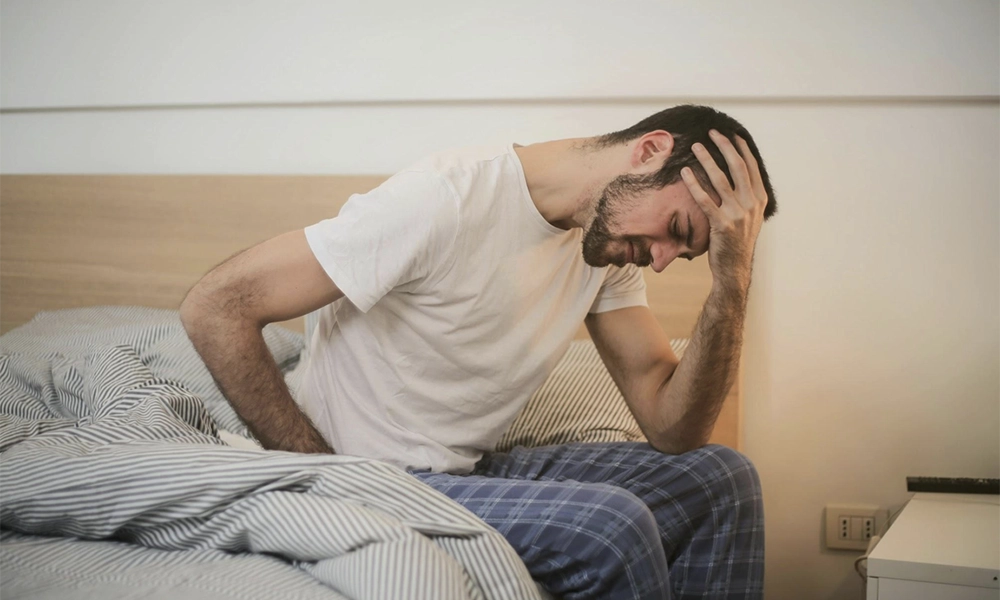
Moving around early in the healing process can lead to much better results. Research shows that following specific recovery protocols can reduce complications after surgery by nearly 50%. These methods often focus on getting patients upright and walking shortly after a procedure. It helps the body wake up and starts the natural repair process.
Safe movement keeps your blood flowing and helps your lungs stay clear. You do not need to run a marathon to see these benefits. Simple tasks like walking to the kitchen or stretching in a chair make a difference. The goal is to keep your body engaged while respecting its current limits.
Planning for Home Accessibility
Your home might need a few changes to support your recovery. If you have stairs, you might look into Stiltz Healthcare Disabled Facilities Grant resources to see what help is available. This information can guide you through the process of getting the right tools for your home. Many people find that adding a lift or a ramp makes their daily routine much easier.
Small changes can prevent big accidents. Moving furniture to create wider paths allows you to move without bumping into things. You should also check for loose rugs or cords that could trip you up. A clear path is a safe path when you are unsteady on your feet.
Tools to Support Your Mobility
Using the right equipment can make a huge difference in how you move. These tools give you the support needed to stay active without falling.
- Walkers provide a wide base for balance.
- Canes help take weight off a healing leg or hip.
- Grab bars in the bathroom offer a sturdy handhold.
- Shower chairs allow you to wash without standing for long periods.
Having these items in place gives you more confidence. You can focus on your exercises instead of worrying about losing your balance. Many of these tools are affordable and easy to install in any room.
Preventing Falls During the Healing Phase
Falls are a major concern when you are recovering at home. A simple slip can undo weeks of progress and lead to new injuries. It is vital to wear sturdy shoes with a good grip even when you are indoors. Slippers or socks can be very dangerous on smooth wood or tile floors.
One report found that secure rails are very helpful in lowering the number of falls people experience. Adding these to hallways or near steps provides an extra layer of protection. Lighting is also a key factor in staying safe. Make sure every room has bright lights so you can see where you are stepping at night.
Managing the Financial Side of Home Changes
Updating a home for safety can be expensive for some families. Many homeowners look at options like stairlifts, which usually cost between $4,000 and $8,000. These prices vary based on how your stairs are shaped and how long they are. It is a significant investment, but it provides a way to stay in your home comfortably.
There are often grants or programs that help cover these costs. You might qualify for financial aid if the changes are deemed necessary for your health. Checking with local housing authorities can reveal programs you did not know existed. Taking the time to research these options can save you a lot of money.
Listening to Your Body While Moving
Your body will tell you when it has had enough. Pain is a signal that you might be pushing too hard or moving the wrong way. It is okay to take breaks and rest when you feel tired. Recovery is not a race, and every person heals at a different speed.
Try to set small goals for each day. Maybe today you walk to the mailbox, and tomorrow you try walking a bit further. Consistency is more important than intensity during this stage. If you feel dizzy or experience sharp pain, stop immediately and talk to your doctor.
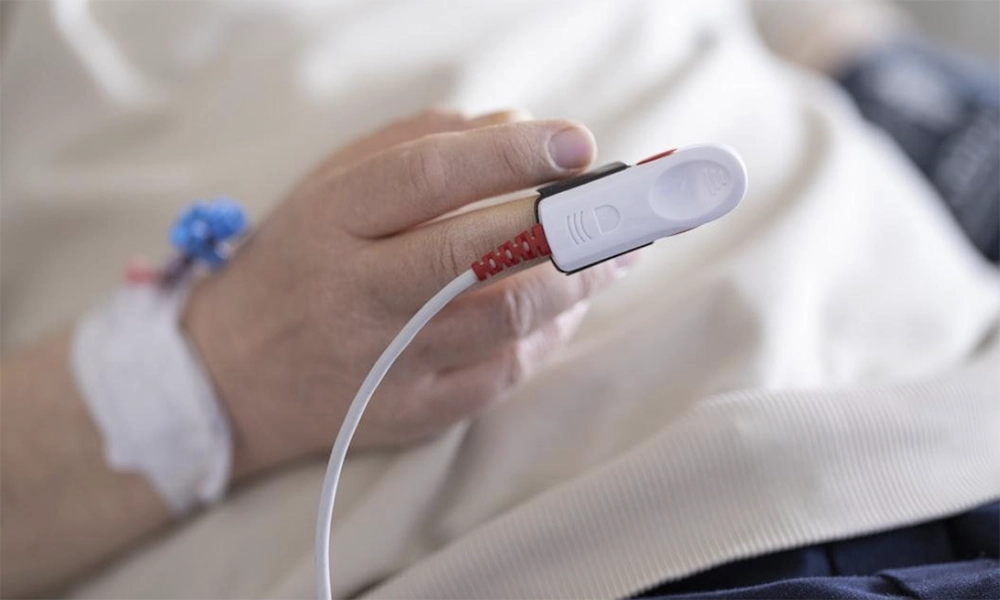
Healing at home is a process that requires both effort and caution. By making your space safe and using the right tools, you set yourself up for success. Remember to move often, but move with care. Your health is worth the extra time it takes to do things right. Stay focused on your goals, and you will find your way back to your normal life soon.
- About the Author
- Latest Posts

Our Editorial Team are writers and experts in their field. Their views and opinions may not always be the views of Wellbeing Magazine. If you are under the direction of medical supervision please speak to your doctor or therapist before following the advice and recommendations in these articles.